
My sister moved into her first apartment last spring, and the first thing she did was call me from the parking lot. Not to tell me about the kitchen, or the rent, or the neighbors. To tell me about the lock.
“It’s very safe,” she said. “The building is very safe. The street is very safe. I feel very safe here.”
I was happy for her. I really was. But as I listened, I kept waiting for one sentence that would tell me what “very safe” actually meant. Was the building safe because there was a doorman, or because the doors locked themselves, or because nothing bad had ever happened on that street? Did she feel safe because the neighborhood was quiet, or because her new roommate worked nights and was always home during the day? “Very safe” covered all of it and explained none of it. It was a blanket thrown over a whole apartment, and I could not see a single thing underneath.
That is the trouble with “very safe.” It sounds reassuring, but it says almost nothing. Safe from what? Safe for whom? A safe neighborhood, a safe car, a safe joke, and a safe investment are not safe in the same way — and if you use the same two words for all four, you are hiding the most interesting part of what you mean.
This guide to synonyms for very safe gives you 25+ better words. Not a dumped list, but a real ladder: from the calm, everyday words (secure, protected) all the way up to the ones that sound like a fortress wall (impregnable, bulletproof). Every word comes with a strength score, a plain-English meaning, and an example sentence you can steal. By the end, you will know exactly which word fits the place, the person, or the choice in front of you — and you will never have to write “very safe” again unless you actually mean to.
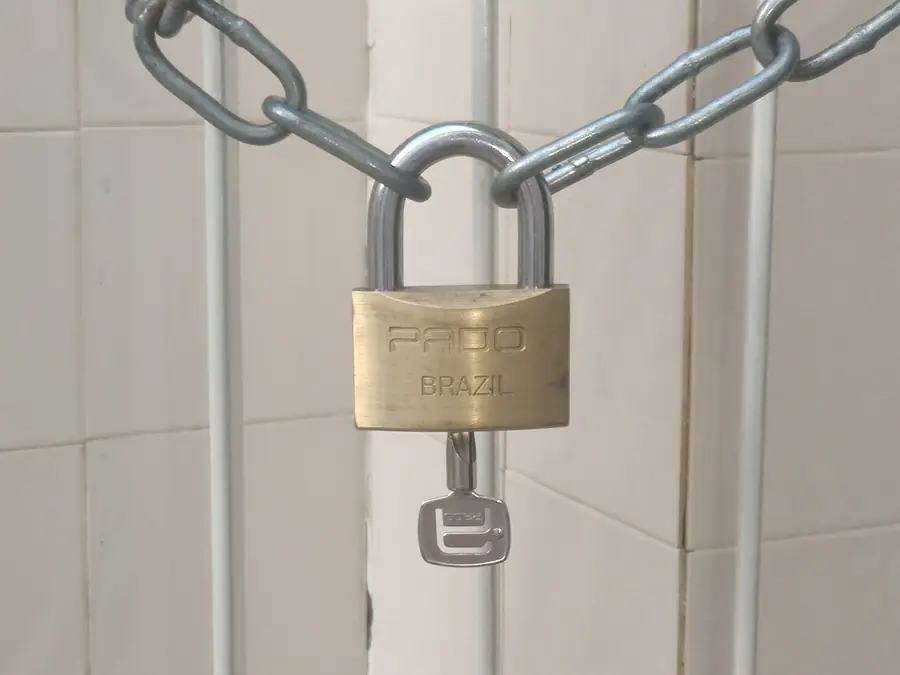
Why “Very Safe” Is Weak Writing
“Very” is a lazy amplifier. It adds volume without adding information. Compare these three sentences:
- “The neighborhood is very safe.”
- “The neighborhood is secure.”
- “The neighborhood is bulletproof.”
The first sentence tells you almost nothing. The second tells you the place is guarded, locked down, watched over — someone is paying attention. The third tells you something stronger still: nothing gets through. Same street, same houses, three completely different pictures. That is what a good synonym does. It does not just say “a lot.” It says what KIND of safe.
The same problem shows up everywhere. “Very safe” is vague in a way that makes writing feel flat and speaking feel repetitive. Use it three times in one essay and your reader stops believing any of it. But if one hotel is secure, another is sheltered from the storm, and a third is in safe hands with a host who actually cares, each place feels different — because it IS different. A car with airbags is not safe the same way a joke with no sting in it is safe. The words should know the difference.
There is also a practical reason to learn these words. In a work email, “very safe” reads as weak, as if you could not be bothered to find the right word. In a college essay, it reads as filler. In a story, it reads as a placeholder the writer forgot to replace. The right synonym lets you sound exact instead of loud. A friend who just moved to a new city does not want to hear that her street is “very safe.” She wants to hear that it is “well-lit and watched” — words that tell her you actually pictured the street, not just that you noticed it was fine.
And here is the thing most word lists never say: safety has a size, and it also has a shape inside it. A safe place can be safe because nobody can get in, or because nothing inside it can hurt you, or because the people there look out for each other. A safe choice can be safe because it cannot fail, or because it costs you nothing if it does. If you use the same two words for all of that, you are hiding the part that matters most — safe from WHAT? The ladder below is how you stop hiding it.
The Safe Scale: From Secure to Bulletproof
Here is the whole guide in one table. Find where your place, person, or choice sits on the scale, take the word that matches, and you are done. The entries below the table give each word a meaning and an example sentence so you can use it with confidence.
| Word | What it really means | Best for | Strength |
|---|---|---|---|
| Secure | Protected, locked down, hard to break into | Buildings, systems, neighborhoods | 5/10 |
| Protected | Guarded by someone or something | People, places, rights | 6/10 |
| Sheltered | Kept out of the wind, rain, and danger | Homes, harbors, people in a storm | 6/10 |
| Harmless | Cannot hurt anyone | Jokes, animals, chemicals | 6/10 |
| Innocuous | So mild it could not possibly offend or harm | Remarks, questions, substances | 6/10 |
| Benign | Gentle, not dangerous, not malignant | Tumors, weather, intentions | 6/10 |
| Guarded | Watched over, defended | Borders, secrets, buildings | 7/10 |
| Shielded | Covered and kept safe by a barrier | People, eyes, equipment | 7/10 |
| Sound | Solid, reliable, in good condition | Investments, plans, sleep | 7/10 |
| Dependable | Can be trusted not to fail you | People, cars, plans | 7/10 |
| Solid | Strong, reliable, built to last | Plans, advice, structures | 7/10 |
| Safe and sound | Unhurt after danger, arrived safely | People after a trip or storm | 7/10 |
| Unharmed | Not hurt at all | People, animals, property | 8/10 |
| Unscathed | Escaped without a scratch | People after an accident | 8/10 |
| Risk-free | No chance of loss or failure | Choices, investments, bets | 8/10 |
| Foolproof | So simple it cannot go wrong | Plans, recipes, systems | 8/10 |
| Tried-and-true | Tested many times, always works | Methods, recipes, advice | 8/10 |
| Out of harm’s way | Moved somewhere danger cannot reach | People, pets, valuables | 8/10 |
| Under lock and key | Locked away, securely stored | Valuables, documents | 8/10 |
| In safe hands | Cared for by someone trustworthy | Children, patients, projects | 8/10 |
| Impregnable | Cannot be broken into or defeated | Fortresses, arguments, defenses | 9/10 |
| Invulnerable | Cannot be hurt at all | Reputations, systems, people | 9/10 |
| Unassailable | Cannot be attacked or questioned | Arguments, positions, records | 9/10 |
| Hermetic | Completely sealed, nothing gets in or out | Containers, seals, arguments | 9/10 |
| Bulletproof | So strong nothing can get through it | Vests, plans, excuses | 10/10 |
Secure (5/10) — Protected, locked down, hard to break into. “Secure” is the most useful everyday upgrade from “very safe,” and the first word most people should reach for. It is the word for a building with a good lock, a website with a strong password, a neighborhood where the doors stay shut at night. If you want the dictionary’s own wording, Merriam-Webster’s thesaurus for safe lists secure right at the top — and that is exactly what it is: the calm, professional center of the scale. Example: “The office is secure — every door needs a key card, and the parking garage is gated.” When people look for another word for safe and secure, this is usually the word they mean — it covers both the lock and the feeling.
Protected (6/10) — Guarded by someone or something. “Protected” is the word for safety that comes from a guardian — a parent, a law, a fence, a bodyguard. A protected beach has lifeguards. A protected species has laws behind it. Use it when someone or something is actively doing the protecting. Example: “The children played in the protected courtyard while their parents watched from the kitchen window.”
Sheltered (6/10) — Kept out of the wind, the rain, and the danger. “Sheltered” is a gentle word, and it carries a picture with it: a porch in a storm, a harbor with a breakwater, a child tucked under a blanket. It is the word for safety that feels warm, not just strong. Example: “We waited out the storm in a sheltered cove, the boat rocking gently while the waves broke outside.” It is also the word people reach for when they want a safe and comfortable home, not just a strong one — warm, dry, and out of the wind.
Harmless (6/10) — Cannot hurt anyone. “Harmless” is the word for a thing that looks dangerous but is not — a joke with no sting, a spider that cannot bite, a chemical that will not burn you. It answers the question “will this hurt me?” with a clear no. Example: “The snake in the garden is harmless — it eats mice and runs from people.”
Innocuous (6/10) — So mild it could not possibly offend or harm. “Innocuous” is the fancier cousin of “harmless,” and it fits remarks, questions, and substances. An innocuous comment is one nobody could take the wrong way. An innocuous pill is one with no side effects worth worrying about. Example: “It was an innocuous question — she only asked where he worked — but he answered like it was an interrogation.”
Benign (6/10) — Gentle, not dangerous, not malignant. “Benign” is the word doctors use when a lump turns out to be nothing to fear, and it works the same way everywhere else: a benign smile, a benign winter, a benign mistake. It is a calm, reassuring word, and it carries a little authority with it. Example: “The doctor called the growth benign, and the whole family breathed out at once.”
Guarded (7/10) — Watched over, defended. “Guarded” is the word for safety with eyes on it — a guarded border, a guarded secret, a guarded building with someone at the desk. It is stronger than “protected” because it suggests attention, not just a fence. Example: “The museum’s most valuable painting hangs in a guarded room with cameras on every wall.”
Shielded (7/10) — Covered and kept safe by a barrier. “Shielded” is the word for safety that comes from something standing between you and the danger — a shield, a wall, a roof, a pair of sunglasses. It is a visual word: you can picture the barrier. Example: “She stood shielded behind her father’s umbrella, dry while the rain hammered the sidewalk.”
Sound (7/10) — Solid, reliable, in good condition. “Sound” is the word for safety you can trust with your money or your plans — a sound investment, a sound argument, a sound night’s sleep. It does not mean “locked away.” It means “built right, and it will hold.” Example: “It was a sound plan: save a little every month, spend nothing you had not budgeted for.”
Dependable (7/10) — Can be trusted not to fail you. “Dependable” is the word for safety in a person or a machine — the friend who always answers, the car that always starts, the babysitter who never cancels. A dependable thing is safe because it does what it promises, every time. Example: “He is the most dependable person I know — if he says he will be there at six, he is there at six.”
Solid (7/10) — Strong, reliable, built to last. “Solid” is the word for safety you can lean on — a solid plan, solid advice, a solid roof. It is the plainest word in this group, and sometimes the most honest one: nothing fancy, just something that will not fall down. Example: “The bridge is solid — engineers inspect it every year, and it has stood for eighty years.”
Safe and sound (7/10) — Unhurt after danger, arrived safely. This is the phrase you use after the worry is over — the flight landed, the child came home, the storm passed. It is not a description of a place. It is a sigh of relief in four syllables. Example: “They arrived home safe and sound just before midnight, tired but laughing about the flat tire.”
Unharmed (8/10) — Not hurt at all. “Unharmed” is the word for the good news after something bad almost happened — the hikers came down unharmed, the dog escaped unharmed, the house survived the fire unharmed. It is a stronger claim than “safe,” because it means the danger was real and still did nothing. Example: “The toddler wandered into the road, but a neighbor grabbed him in time — he was unharmed, just frightened.”
Unscathed (8/10) — Escaped without a scratch. “Unscathed” is the fancier version of “unharmed,” and it fits accidents, arguments, and reputations. A driver walks away unscathed from a crash. A politician survives a scandal unscathed. It carries a small sense of surprise — you expected damage, and there was none. Example: “The startup survived the recession unscathed, while three of its competitors folded.”
Risk-free (8/10) — No chance of loss or failure. “Risk-free” is the word for a choice where the downside is zero — a risk-free trial, a risk-free bet, a risk-free investment. It is a business word, a sales word, and a very useful one when you mean “you cannot lose.” Example: “The store offers a risk-free return policy — if you do not like it, bring it back within thirty days.”
Foolproof (8/10) — So simple it cannot go wrong. “Foolproof” is the word for a plan, a recipe, or a system that works even if the person using it makes mistakes. A foolproof method does not need skill. It needs only someone willing to follow the steps. Example: “Her foolproof method for hard-boiled eggs works every single time — twelve minutes, cold water, done.”
Tried-and-true (8/10) — Tested many times, always works. “Tried-and-true” is the word for safety that comes from history — a method your grandmother used, a recipe the restaurant has served for twenty years, a piece of advice that has never failed you. It is safe because it has already survived every test. Example: “When the car would not start, he used the tried-and-true trick: tap the battery terminals and try again.”
Out of harm’s way (8/10) — Moved somewhere danger cannot reach. This is the phrase for the action of getting safe — the children were moved out of harm’s way, the valuables were stored out of harm’s way. It is not about being strong. It is about being somewhere else. Example: “During the wildfire, the family moved the horses out of harm’s way to a ranch two counties over.”
Under lock and key (8/10) — Locked away, securely stored. This is the phrase for valuables that are not just safe but put away — the jewelry is under lock and key, the documents are under lock and key. It is a satisfying phrase, and everyone pictures the same thing: a key turning, a drawer closing. Example: “The original manuscripts are kept under lock and key in the library’s basement vault.”
In safe hands (8/10) — Cared for by someone trustworthy. This is the phrase for the feeling of handing something precious to the right person — a baby in safe hands, a patient in safe hands, a project in safe hands. It is safety measured in trust, not in locks. Example: “Leave the dog with Maria — she is in safe hands, and Maria will text you photos all weekend.”
Impregnable (9/10) — Cannot be broken into or defeated. “Impregnable” is the word for a fortress, a password, or an argument that no attack can crack. It is a big, impressive word, and it should be saved for the things that genuinely cannot be broken. Example: “The castle’s walls were impregnable — three armies tried, and all three went home.”
Invulnerable (9/10) — Cannot be hurt at all. “Invulnerable” is the word for a reputation, a system, or a person that danger cannot touch — an invulnerable record, an invulnerable network, a hero who feels invulnerable at twenty-two. Use it carefully: real things are rarely invulnerable, and claiming they are can sound naive. Example: “No company is truly invulnerable to a data breach, no matter how much it spends on security.”
Unassailable (9/10) — Cannot be attacked or questioned. “Unassailable” is the word for an argument, a position, or a record that no one can find a hole in — an unassailable lead in the polls, an unassailable alibi, an unassailable case in court. It is a formal word, and it belongs in formal writing. Example: “Her evidence was unassailable — receipts, timestamps, and three witnesses who all agreed.”
Hermetic (9/10) — Completely sealed, nothing gets in or out. “Hermetic” is the word for a seal so tight it might as well be magic — a hermetic jar, a hermetic argument, a hermetic community that talks to no one outside itself. It is the fanciest word in this guide, and the one most likely to make a reader reach for a dictionary. Save it for the sentence where nothing else will do. Example: “The sample was stored in a hermetic container, sealed against air, moisture, and light.”
Bulletproof (10/10) — So strong nothing can get through it. This is the top of the ladder, the strongest word in this guide, and it should be saved for the things that genuinely cannot be broken — a bulletproof vest, a bulletproof plan, a bulletproof excuse. A bulletproof day is not just safe. It is the day nothing could touch you. Example: “After the third review, the contract was bulletproof — every clause checked, every loophole closed.”
Here is how to pick from the ladder: match the word to what is doing the protecting and to how strong the danger is. A building with a good lock is “secure.” A child with a watchful parent is “protected.” A joke that cannot hurt anyone is “harmless.” A plan that cannot fail is “foolproof.” And a fortress no army can take is “impregnable.” If you are writing about a very safe person — a friend, a parent, a babysitter — start here too: the same ladder works for people, because a person can be dependable, guarded, or in safe hands just like a place can.
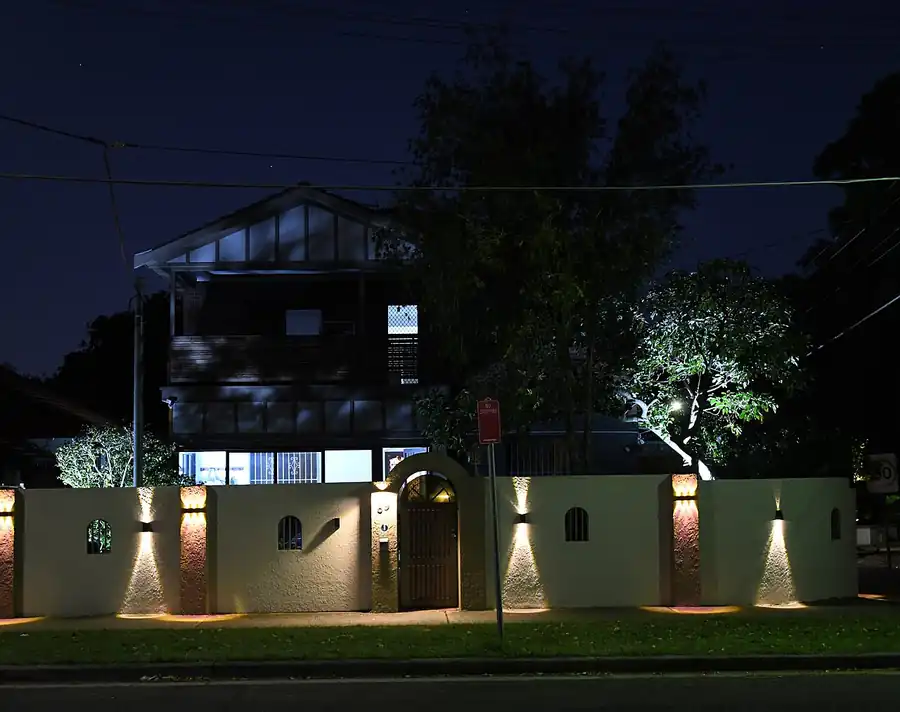
Safe for a Person, Safe for a Thing, Safe for a Choice
Ranking pages blur these senses together, and that is where most people pick the wrong word. “Safe” changes its meaning depending on what it describes. Here is the split, plainly.
A Person Free From Danger
When a person is safe, it means no harm reached them. The words here are about the body and the life: safe and sound, unscathed, unharmed, out of harm’s way. “The hikers returned safe and sound.” “She walked away from the accident unscathed.” “The baby slept unharmed through the storm.” Notice that these words all look backward — they describe someone after the danger has passed. You would not say a person standing in a quiet park is “unscathed,” because nothing happened to escape from. The word needs a danger to survive. And if you are writing about a person who feels protected in the moment — a child in a parent’s arms, a patient with a kind nurse — the honest word is often “in safe hands” or “sheltered,” not “unscathed.” One is about what happened. The other is about who is watching.
A Thing That Is Not Dangerous
When a thing is safe, it means the thing itself cannot hurt you. The words here are harmless, innocuous, and benign. “It was a harmless joke — nobody’s feelings got hurt.” “The question seemed innocuous enough.” “The growth turned out to be benign.” These are not words about locks or guards. They are words about nature: the thing is gentle by design. The common mistake is reaching for “secure” or “protected” here, and it sounds wrong the moment you say it out loud. A joke is not “secure.” A remark is not “protected.” A harmless thing is safe because there is nothing dangerous in it, not because someone locked it away. If you are writing about a place that is safe because the food is clean and the water is tested, the overlap with our guide to synonyms for very clean is real — a clean kitchen and a safe kitchen are often the same kitchen — but keep the senses apart: clean describes what is in the food, safe describes what the food will not do to you.
A Choice With No Risk
When a choice is safe, it means you cannot lose by making it. The words here are risk-free, foolproof, and tried-and-true. “It was a safe bet — the horse had won six races in a row.” “The recipe is foolproof.” “She stuck to the tried-and-true method.” A safe choice is not about locks or walls. It is about odds. And this is where writers go wrong most often: they call a choice “secure” when they mean “risk-free,” and the sentence goes soft. A secure choice sounds like a locked drawer. A risk-free choice sounds like a bet you cannot lose. If you are writing about advice — which option to pick, which plan to follow — the sharper word is usually the one that names the risk, or the lack of it. Our guide to synonyms for very smart covers the thinking side of a good choice; this guide covers the risk side. A smart choice is well thought out. A safe choice is one you cannot regret.
Reliable and Trustworthy
When a person or a plan is safe, it can also mean you can count on it. The words here are dependable, sound, and solid. “He is a dependable friend.” “It was a sound investment.” “The plan is solid.” This is the quietest sense of “safe,” and the easiest to miss. Nobody is in danger. Nothing is locked. The safety is in the reliability — the thing does what it promises, every time, and you can build on it. A solid bridge is safe to cross. A sound argument is safe to believe. A dependable babysitter is safe to leave your children with. If you are describing a person, this is usually the sense you want: not “this person cannot be hurt,” but “this person will not let you down.”
Safe vs Scared: What Is the Difference?
Here is a pair people mix up constantly, and it matters. “Safe” describes the absence of danger. “Scared” describes a feeling. A place can be safe while a person still feels scared — and a person can feel safe somewhere that is not safe at all.
Think of a child on a plane. The plane is safe: it is inspected, the pilots are trained, the odds of anything going wrong are tiny. The child is still scared, because the engines are loud and the ground is very far away. The fear is real. The danger is not. Now think of the opposite: a teenager walking home through a dark park at midnight, earbuds in, feeling perfectly calm. She feels safe. She is not. The park is dark, nobody is around, and her phone is the only light. Feeling safe is a mood. Being safe is a fact. Good writing knows which one it means.
That is why the two words need different guides. If you are writing about the feeling — the racing heart, the tight chest, the jump at every noise — our guide to synonyms for very scared has the words for it: terrified, petrified, rattled, spooked. If you are writing about the fact — the locked door, the lifeguard on duty, the inspected bridge — this guide has the words for that. And if you are writing about a place that is safe but still feels frightening, say both things. “The neighborhood was secure, well-lit, and watched — and I was still scared walking home at midnight.” That sentence is honest in a way “very safe” could never be. It tells the reader what is true and what it felt like, and it does not pretend the two are the same.
A dark street is a good test. A street can be safe because it is well-lit and full of people, or dangerous because it is dark and empty. Our guide to synonyms for very dark covers the words for the dark itself — pitch-black, inky, unlit — and the overlap is worth noticing: darkness does not make a place unsafe, but it can make it feel that way. A well-lit street is not automatically safe, and a dark one is not automatically dangerous. The words should say which is which.
Idioms for Very Safe
Sometimes the best word is not a word at all — it is a phrase everyone already knows. Slang has its own answers for safe, too: bulletproof for a plan nothing can break, locked down for a building nobody can enter, covered for a person someone is watching over. These six idioms do the work of “very safe” with more color and more meaning.
Safe and sound — Unhurt after danger, home in one piece. Example: “The package arrived safe and sound, not a dent on the box.” This is the phrase you use after the worry is over, and it works for people, pets, deliveries, and anything else you were waiting on.
Out of harm’s way — Somewhere danger cannot reach. Example: “She moved the vase out of harm’s way before the toddlers arrived.” Use it when the safety comes from the location, not from strength — the thing is safe because it is somewhere else.
Under lock and key — Locked away, securely stored. Example: “The passports are under lock and key in the hotel safe.” This is the phrase for valuables, documents, and anything you want to picture behind a turned key.
In safe hands — Cared for by someone you trust. Example: “Your grandmother is in safe hands — the nurse checks on her every hour.” Use it when the safety is a person, not a lock. It is the warmest phrase in this list.
Out of the woods — Past the danger, though maybe not fully recovered. Example: “He is out of the woods now, the doctor said, but he still needs two weeks of rest.” Notice the honesty in this one: it does not promise perfect health. It promises that the worst is over.
Better safe than sorry — It is smarter to be careful than to regret it later. Example: “Bring the umbrella — better safe than sorry.” This is the phrase for the choice itself: you are not claiming danger is certain, only that caution is cheap. It is also the closest thing in English to a proverb about safety, and it works in conversation, in essays about risk, and in any sentence where someone is deciding whether to take a chance.

Fancy Words: How to Sound Smart, Not Stiff
Fancy words are like hot sauce. A little makes the sentence interesting. Too much makes it inedible. Here are the six fancy words for “safe,” with honest advice about where each one belongs.
Impregnable — Cannot be broken into or defeated. This is a word for fortresses and arguments, and it sounds exactly as strong as it is. It works in an essay about history or a formal piece about security. It sounds ridiculous in a text about your apartment. Example: “The company’s defenses were impregnable — no hacker had ever broken through.”
Invulnerable — Cannot be hurt at all. This is a word for reputations and systems, and it carries a warning with it: nothing real is invulnerable, and a careful writer knows that. Use it when you mean “as close to untouchable as it gets,” and expect the reader to notice the confidence. Example: “After thirty years without a single recall, the brand felt invulnerable — until the one that changed everything.”
Unscathed — Escaped without a scratch. This is the most useful fancy word in this guide, because it fits ordinary sentences: a driver, a company, a reputation. It sounds smart without sounding like you swallowed a thesaurus. Example: “She came through the layoffs unscathed, the only person on her team who did.”
Unassailable — Cannot be attacked or questioned. This is a word for arguments, evidence, and records, and it belongs in formal writing — essays, reports, legal language. It sounds out of place in a story about a neighborhood. Example: “His alibi was unassailable: three cameras, two receipts, and a doorman who remembered his face.”
Foolproof — So simple it cannot go wrong. This one is barely fancy at all, which is its strength. It is a plain, cheerful word, and it works everywhere: recipes, plans, instructions, jokes about your own cooking. Example: “It is a foolproof plan — even I cannot mess it up, and I once burned soup.”
Hermetic — Completely sealed, nothing gets in or out. This is the fanciest word in the guide, and the one most likely to send a reader to a dictionary. Save it for the sentence where “sealed” is not enough — a scientific container, an argument with no gaps, a community closed off from the world. One hermetic per article is the limit. Example: “The letter was stored in a hermetic case, sealed against air and light for a hundred years.”
The rule for all six is the same: one fancy word per paragraph, and only when the plain word would genuinely say less. “Impregnable” says more than “secure” — it says no one has ever broken through. “Hermetic” says more than “sealed” — it says nothing gets in or out, ever. If the fancy word does not add meaning, it is only adding noise.
Synonyms for Very Safe for Students and School Writing
If you are writing an essay, a report, or a college application, some of these words will help you and some will hurt you. Here is the honest split.
Essay-safe words: secure, protected, reliable, sound, solid, dependable. These are formal enough for academic writing and clear enough that no teacher will circle them. “The neighborhood is secure.” “The method is reliable.” “It was a sound investment.” Each one says something specific, and each one sounds like you chose it on purpose.
Too casual for an essay: bulletproof (in a history paper, unless you are writing about actual armor), safe and sound (fine in a personal essay, weak in a research paper), better safe than sorry (a proverb, not an argument). These are good words, but they belong in conversation, stories, and personal writing — not in a paragraph where you are trying to sound measured.
Too fancy for a 9th-grade paper: hermetic, impregnable, unassailable. Your teacher will know you looked them up, and not in a good way — because they will also notice that “secure” would have said the same thing. Save the big words for the sentence where the plain word genuinely fails. In an 11th- or 12th-grade paper, “unscathed” and “invulnerable” are fair game, because they add a meaning “safe” does not carry: escaped without damage, cannot be hurt.
Words to use in a personal essay: sheltered, in safe hands, out of harm’s way, safe and sound. And if an assignment asks for synonyms for a safe environment — a classroom, a playground, a workplace — reach for sheltered, guarded, or well-lit: each one names what actually makes the place safe instead of just calling it safe. These are warm words, and a personal essay is allowed to be warm. “I felt sheltered there” says more about a childhood home than “it was very safe” ever could. “My grandmother was in safe hands” tells the reader about trust, not just about locks.
One more piece of advice for students: do not use a fancy word you cannot pronounce out loud. If you stumble over “impregnable” while reading your own essay, your teacher will stumble too. The best word is the one you understand completely — and the one your reader understands too.
Antonyms of Very Safe
Sometimes the fastest way to understand “safe” is to look at its opposite. Here are the antonyms, on the same kind of scale:
Dangerous (8/10) — Likely to cause harm. Example: “The road is dangerous in winter — black ice forms on the bridge before anywhere else.”
Risky (7/10) — Full of chance, might go wrong. Example: “It was a risky investment, but the returns were too good to pass up.”
Unsafe (7/10) — Not safe, open to harm. Example: “The building was declared unsafe after the inspection found cracks in the foundation.”
Hazardous (8/10) — Dangerous, especially to health. Example: “The warehouse stores hazardous chemicals, and workers wear full protective gear.”
Precarious (8/10) — Unstable, likely to fall or fail. Example: “Their finances were precarious — one missed paycheck would have broken them.”
Safe and dangerous are not enemies — they are a pair. The best writers use both, and they know that “safe” is sometimes the honest word and “dangerous” is sometimes the easy one. A safe journey can be worth it. A dangerous road can be a warning. The word you choose should match the risk, not just the feeling. If you want the opposite skill — the full ladder for fear — our guide to synonyms for very scared uses the same method, the same idea: one precise word beats a vague phrase every time. And if you want the same treatment for the cold that makes a shelter feel safe, start with our guide to synonyms for very cold — the opposite skill, same method: a warm room only matters when you know how cold it is outside.
Frequently Asked Questions
What is a fancy word for “safe”?
“Impregnable” is the safest fancy word for safe — it sounds impressive in almost any setting and means cannot be broken into or defeated. “Unassailable” is the most impressive for arguments and evidence, best saved for formal writing. “Hermetic” is the fanciest of all, for the thing that is completely sealed, nothing in or out. One fancy word per paragraph is the limit.
What can I say instead of safe?
Start with the ladder: “secure” for a locked building or a guarded system, “protected” for a person with someone watching over them, “sheltered” for a warm place out of the storm, “harmless” for a thing that cannot hurt anyone, “foolproof” for a plan that cannot go wrong. If you want one word that works almost everywhere, use “secure” — it is the most useful everyday upgrade from “very safe,” and it fits a building, a website, a neighborhood, or a feeling.
What is a positive word for “safe”?
“Sound” is the warmest positive word for safe — a sound plan, a sound investment, a sound night’s sleep. It does not just mean “not dangerous.” It means solid, reliable, well built. “Dependable” is the most positive word for a person: a dependable friend is not just someone who will not hurt you, but someone who will show up. And “in safe hands” is the most positive phrase of all, because it is about trust, not just about locks.
What’s another word for “very careful”?
Careful is not a synonym for safe, and mixing them up causes real mistakes. Careful is what you DO — you drive carefully, you handle the glass carefully, you choose your words carefully. Safe is the STATE you are in — the glass is safe on the shelf, the driver is safe at home, the words landed safely. A careful person can still be in danger, and a safe person can be careless. If you mean the action, use careful, cautious, or watchful. If you mean the state, use the words in this guide.
Keep Three Words in Your Pocket
If you remember nothing else from this guide, remember three words. Secure — your honest everyday word, for buildings, systems, and neighborhoods that are locked down and watched, the one you can use in any email or essay. Protected — your warm word, for people with someone watching over them, the one that makes a sentence sound like it cares. Bulletproof — your top-of-the-scale word, for the plan, the argument, or the excuse that nothing can get through, the one you save for the thing that genuinely cannot be broken.
The next time you catch yourself writing “very safe,” stop and ask what kind of safe you actually mean. Safe from what? A locked door, a watchful parent, a joke with no sting, a plan that cannot fail? The answer is sitting in this guide, and the right word is usually one sentence away. Use it, and your writing will do what “very safe” never could: it will make the reader feel the size of the safety — and the size of the danger it keeps out.
And if you want the same treatment for the journey that safety protects, start with a safe journey itself: buckle the belt, check the road, and remember that another word for a safe journey is a sound one — planned, steady, and in safe hands from the first mile to the last.

SynonymsKey helps students and writers find the right word, with synonyms grouped by meaning, antonyms, and clear examples for everyday writing.