
The Morning the Air Bit Back
I opened the front door in January and the cold hit my face like a slap. Not the polite kind of cold, either — not a crisp morning, not a fresh breeze. The kind of cold that makes your nose sting in three seconds and your car door stick to its frame. I stood there for a moment, keys in one hand, coffee in the other, and thought, “It is very cold out here.” And then I thought something else: that is the worst sentence I could write about it.
“Very cold” says nothing. It does not tell you whether the air is sharp or heavy, whether the wind is cutting through your coat or the frost is just sitting pretty on the grass. It does not tell you whether I am miserable or thrilled. A snowstorm that buries a car is not “very cold” — it is arctic. A bedroom with the heat off is not “very cold” — it is chilly. A person who will not return your smile is not “very cold” — they are frosty, and that is a completely different kind of cold. Each of those words paints a different picture, and the right one makes your reader feel the temperature instead of just reading about it.
This guide fixes that. You will get a strength ladder that runs from a pleasant coolness all the way to the kind of cold that cancels school, plus the right word for every situation: weather, your own shivering body, and the cold person across the room. Every word comes with a strength score, a plain meaning, and a real example sentence, so you can stop guessing and start choosing. And yes — we will answer the question everyone actually asks: what is a fancy way to say “cold,” and when is it safe to use it?

The Cold Scale: From Cool to Polar
Cold is not one thing. It is a sliding scale, and each step on the scale has its own word. Before you grab the strongest word you know, find your place on the scale — because calling a cool autumn evening “arctic” is as wrong as calling a blizzard “chilly.” Here is the whole scale at a glance:
| Word | Strength | Best for |
|---|---|---|
| Cool | 2/10 | A pleasant evening, a drink, a room |
| Chilly | 3/10 | A morning that needs a jacket |
| Nippy | 3/10 | A sharp, brisk cold that wakes you up |
| Cold | 5/10 | The middle of the scale, any situation |
| Frosty | 6/10 | Mornings with ice on the grass, or a cold welcome |
| Icy | 6/10 | Roads, wind, stares, hands |
| Freezing | 8/10 | Water turning to ice, fingers going numb |
| Bitter | 8/10 | Wind that hurts, the coldest part of winter |
| Frigid | 9/10 | Extreme cold, air that feels dangerous |
| Arctic | 10/10 | The top of the scale — blizzards, the far north |
Cool (2/10) — Pleasantly cold, the kind you enjoy. A cool evening, a cool drink, a cool room on a hot day. Example: “We sat on the porch in the cool evening air, glad to be out of the heat.”
Chilly (3/10) — Cold enough to notice, cold enough for a jacket, but not miserable. Example: “The chilly morning made me reach for a sweater before I went out.”
Nippy (3/10) — Sharp and brisk, the kind of cold that nips at your nose and ears and wakes you up. Example: “It was a nippy October morning, and my breath came out in little clouds.”
Cold (5/10) — The middle of the scale. Below normal temperature, uncomfortable without a coat. The word everything else is measured against. The cold in the dictionary means having a low temperature — but in real writing, “cold” alone is almost never enough. Example: “The cold water made me gasp when I stepped into the lake.”
Frosty (6/10) — Cold enough for frost — ice crystals on grass, on car windows, on the roof. Also the word for a cold welcome. Example: “The frosty grass crunched under my boots on the way to the car.”
Icy (6/10) — Like ice: slippery, hard, and sharp. An icy road, an icy wind, icy hands, an icy stare. Example: “The icy wind cut straight through my coat, and I pulled my collar up.”
Freezing (8/10) — At or below the point where water turns to ice. Your fingers go numb, your breath freezes on your scarf, the pipes are in danger. Example: “It was freezing outside, and the puddles on the sidewalk had turned to solid ice.”
Bitter (8/10) — Cold that hurts. A bitter wind, a bitter January night. Bitter is the word for cold with a sting in it. Example: “The bitter wind off the lake made the ten-minute walk feel like an hour.”
Frigid (9/10) — Extremely cold, the kind of cold that feels dangerous rather than just uncomfortable. Example: “The frigid air burned my lungs when I stepped out of the hotel.”
Arctic (10/10) — The top of the scale. The cold of the far north, of blizzards and whiteouts, of temperatures that close schools and stop traffic. Example: “The arctic blast brought a foot of snow and temperatures nobody had seen in twenty years.”
Keep this scale in your head while you read the rest of the guide. Every word below carries a strength score on the same scale, so you can compare them at a glance.
Cold Weather: Words for Winter Days
Weather is where most people need these words, and it is also where “very cold” does the most damage — because weather writing is supposed to make the reader feel the day. A weather report that says “very cold” tells you nothing about whether to wear a jacket or cancel the trip. Here are the weather words, each in its natural setting.
Wintry (4/10) — Like winter: cold, gray, and damp, with snow or rain in the air. A wintry day does not have to be the coldest day of the year — it just feels like winter. Example: “The wintry sky threatened snow all afternoon, and the light never really came up.”
Frosty (6/10) — Cold enough for frost on the ground. A frosty morning is beautiful and dangerous at the same time: sparkling grass, frozen windshields, slippery steps. Example: “On frosty mornings, my father scraped the windshield while the car warmed up.”
Icy (6/10) — The word for frozen surfaces. Icy roads, icy sidewalks, icy rain that coats everything in a thin, shining shell. Example: “The icy rain turned the whole street into a skating rink by midnight.”
Blustery (5/10) — Cold and windy, with gusts that push you around. A blustery day is not just cold — it is loud and restless. Example: “The blustery wind tore at my umbrella and sent the leaves spinning down the street.”
Subzero (9/10) — Below zero degrees. The word itself sounds serious, and it is: subzero temperatures freeze skin in minutes. Example: “Subzero temperatures kept everyone indoors, and the schools closed for the second day.”
Raw (6/10) — Damp, biting cold — the kind that gets through your clothes even when the thermometer does not look that bad. A raw day is a miserable day. Example: “The raw November rain soaked through my jacket, and I could not get warm.”
Bone-chilling (8/10) — Cold that seems to reach inside you, past your coat and your sweater, right down to the bone. Example: “The bone-chilling wind off the river made the whole crowd huddle together.”
Snowy (4/10) — Full of snow, or with snow falling. A snowy day can be beautiful and gentle, or it can be a whiteout — the word itself does not say which, so pair it with a stronger one when it matters. Example: “The snowy weekend was perfect for sledding, and the kids stayed out until dark.”
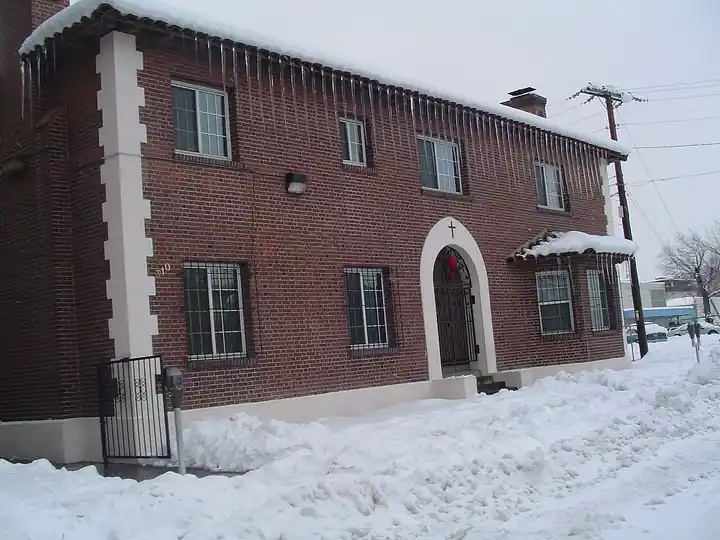
If you are writing about cold weather, the trick is to name the kind of cold, not just the amount. “A bitter wind” tells the reader more than “very cold weather” ever will, because bitter carries the sting. “A raw, blustery afternoon” tells them to stay inside. One precise word beats a vague phrase every time — and if you want the same treatment for the other end of the scale, our guide to synonyms for very slow uses the same ladder method for a different kind of stuck.
Feeling Cold: Words for a Cold Person
Sometimes the cold thing is not the weather. It is you — standing at a bus stop, or sitting in a drafty room, or coming in from the snow with wet socks. This is the hardest place to find the right word, because “cold” alone does not say whether you are uncomfortable, miserable, or in real trouble. These are the body words.
Chilled (4/10) — Cold through and through, usually after being out in the weather. A chilled person is cold to the core and needs to warm up. Example: “Chilled to the bone after the long walk home, she wrapped herself in a blanket and made tea.”
Shivering (5/10) — Shaking with cold. Shivering is the body’s alarm: it means you are losing heat faster than you can make it. Example: “He stood shivering on the platform, stamping his feet and blowing on his hands.”
Numb (7/10) — So cold you cannot feel a part of your body anymore. Numb fingers, numb toes, a numb face. It sounds medical because it is close to a medical problem — use it when the cold is serious. Example: “My fingers went numb inside my gloves, and I could not feel the keys.”
Frozen stiff (8/10) — An idiom and a description at once: so cold you can barely move. Example: “We came in frozen stiff from the snowstorm, and it took an hour by the fire before we could feel our feet.”
Goosebumps (3/10) — The little bumps on your skin when you are cold or scared. A small, human detail that makes a scene real. Example: “Goosebumps rose on her arms the moment she stepped out of the warm house.”
Blue with cold (7/10) — Lips and fingers turning blue — the visible sign of real cold. Use it sparingly, because it means the person is in trouble, not just uncomfortable. Example: “The little boy came in from the snow blue with cold, and his mother sat him by the stove.”
The pattern here is simple: the colder the body, the stronger the word. “Chilled” is a blanket and a cup of tea. “Numb” is a warning. “Frozen stiff” is a story you tell later, laughing, once you are warm again. And if the whole morning feels slow and cold at the same time — the kind of morning where nothing works and everyone is tired — our guide to synonyms for very tired has words for that side of the problem too.

A Cold Person: When Cold Means Unfriendly
Here is where “cold” stops being about temperature at all. A cold person is not shivering — they are distant, unwelcoming, or unkind. This is the sense that causes the most trouble, because these words are judgments, and they land hard. Choose carefully.
Cold-hearted (8/10) — Without feeling or pity. A cold-hearted person does not care about other people’s pain. This is a serious accusation, not a casual word. Example: “Only a cold-hearted landlord would turn a family out in the middle of winter.”
Frosty (6/10) — Unfriendly in a stiff, formal way. A frosty welcome, a frosty silence, a frosty look. It is colder than “cool” and politer than “hostile” — the word for someone who is shutting you out without raising their voice. Example: “Her greeting was frosty, and I knew at once that she had heard the news.”
Icy (7/10) — Cold and hostile, with a sharp edge. An icy stare, an icy tone, an icy reply. Icy is stronger than frosty — it carries anger underneath the cold. Example: “He gave me an icy stare, and the whole room went quiet.”
Chilly (5/10) — Unfriendly, but mildly. A chilly reception means people were polite but not warm. Example: “The new idea got a chilly reception at the meeting, and nobody volunteered to help.”
Aloof (6/10) — Distant and uninvolved, keeping apart from other people. An aloof person is not necessarily unkind — they just do not let anyone close. Example: “The new manager seemed aloof at first, but she warmed up once she knew the team.”
Standoffish (6/10) — Unfriendly in a shy, guarded way. A standoffish person keeps their distance because they do not trust easily, not because they dislike you. Example: “The cat was standoffish with strangers, but she slept on my lap every night.”
Distant (4/10) — Emotionally far away. A distant parent, a distant friend. The gentlest word on this list, and often the kindest one to use. Example: “He had grown distant since the move, and his calls came less and less often.”
The rule for this whole section: never use a temperature word for a person unless you mean the judgment that comes with it. “She gave me a frosty look” is a description of a moment. “She is cold-hearted” is a verdict on a character. One is a sentence; the other is a sentence you cannot take back.
Freezing vs Frigid vs Bitter: What Is the Difference?
These three words are the ones people mix up most, so here is the honest difference.
| Word | What it really means | Best for | Strength |
|---|---|---|---|
| Freezing | At or below the point where water turns to ice | Weather, fingers, pipes, nights | 8/10 |
| Frigid | Extremely cold, dangerously cold | Air, temperatures, formal writing | 9/10 |
| Bitter | Cold that hurts, with a sting in it | Wind, winter nights, the coldest days | 8/10 |
| Arctic | The cold of the far north, blizzard cold | Storms, blasts, record cold | 10/10 |
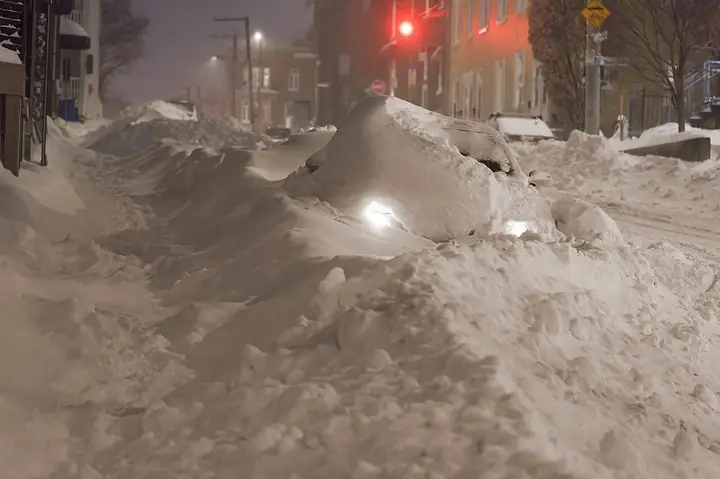
Think of it this way. Freezing is a measurement — the temperature hit 32 degrees, the water turned to ice, your fingers went numb. Frigid is a feeling of danger — the air itself seems hostile, and staying out too long is a real risk. Bitter is a feeling of pain — the wind stings your face, the cold bites through your coat, and every minute outside hurts. Arctic is a picture — the far north, a whiteout, a storm that stops a whole city.
The differences show up in real sentences:
- “It was freezing outside, and the pipes burst overnight.” — a fact about temperature, with a consequence.
- “The frigid air made it hard to breathe, and the school closed for the day.” — dangerous cold, official response.
- “The bitter wind cut through my scarf and made my eyes water.” — painful cold, felt on the skin.
- “An arctic blast brought twelve inches of snow and shut down the highways.” — the biggest, most dramatic cold.
And when do you use freezing vs frigid? Use freezing when the temperature is the point — water, ice, numb fingers, frozen pipes. Use frigid when the cold itself is the story — the air is so cold it feels like a threat, not just a number. Freezing is a thermometer reading. Frigid is a warning.
Idioms for Very Cold
Sometimes a single word is not what you need — an idiom is. These are the phrases native speakers actually use when they talk about bitter cold, and they make writing sound natural instead of studied.
Cold as ice — Extremely cold, with no warmth at all. It works for hands, for drinks, and for people. Example: “Her hands were cold as ice after an hour without gloves.”
Chilled to the bone — Cold all the way through your body, past the skin and the muscle, right down to the bone. Example: “We came home chilled to the bone, and the hot soup could not come fast enough.”
Frozen stiff — So cold you can barely move. A classic, and everyone understands it at once. Example: “The pipes froze stiff overnight, and the plumber could not come until Tuesday.”
Cold snap — A short, sudden period of very cold weather. Example: “The cold snap killed the garden, and the tomatoes never came back.”
Out in the cold — Left out, ignored, or excluded — the figurative version of cold, and one of the most useful idioms in English. Example: “The new policy left the night-shift workers out in the cold, and nobody had asked them.”
Give someone the cold shoulder — To deliberately ignore someone, to be cold to them on purpose. Example: “She gave him the cold shoulder for a week after the argument, and he finally apologized.”
Freeze to death — Used loosely for any bitter cold, even when nobody is in real danger. Example: “Close that window — we will freeze to death in here!”
As cold as ice — The same idea as “cold as ice,” but with the “as” that makes it sound like a comparison in a story. Example: “His voice was as cold as ice when he said he was leaving.”
A good rule for idioms: one per paragraph, at most. They are seasoning, not the meal. A paragraph full of idioms sounds like a joke; a paragraph with one good idiom sounds like a person.
Fancy Words: How to Sound Smart, Not Stiff
Sometimes you want a word that sounds impressive. These are the fancy words for cold — the ones that make an essay or a toast sound polished. Use them sparingly. One per paragraph is the limit.
Frigid (9/10) — The most useful fancy word on this list. It means extremely cold, and everyone understands the image at once — but it also carries a formal, slightly stiff tone. Example: “The frigid morning air made the whole town move a little slower.”
Gelid (9/10) — Very cold, from the Latin word for ice. Gelid sounds like it walked out of a science textbook, and in most writing it did. Save it for essays and poetry. Example: “The gelid water of the mountain lake took my breath away.”
Brumal (8/10) — Of or relating to winter; wintry and cold. Brumal is a beautiful word, but almost nobody uses it in conversation — which is exactly why it works once in an essay. Example: “The brumal landscape stretched white and silent to the horizon.”
Algid (9/10) — Cold, chilly, from the Latin for cold. Algid is the rarest word on this list, and the riskiest: most readers will have to look it up, which defeats the purpose. Use it once, in formal writing, or not at all. Example: “The algid wind swept down from the mountains before dawn.”
Glacial (9/10) — As cold as a glacier, and also as slow as one. Glacial is the fancy word that is also safe — everyone knows what a glacier is, so the meaning is clear. It overlaps with our guide to synonyms for very slow, where glacial means almost frozen in place — and the two meanings share the same idea: something so cold it barely moves. Example: “The glacial wind off the ice field made the whole expedition turn back.”
Polar (9/10) — Of the poles, the coldest places on Earth. Polar cold, polar winds, polar nights. It sounds scientific and dramatic at the same time. Example: “The polar air mass brought the coldest night of the decade.”
So what is a fancy way to say “cold”? Frigid is the safest — it sounds impressive in almost any setting. Gelid is the most scientific, best for formal writing. Brumal is the prettiest, best for writing about winter itself. And what is a fancy word for “cold” that will not confuse anyone? Frigid, again — it is the only fancy word on this list that most readers already know. If you want to sound smart without sounding stiff, our guide to synonyms for very smart has the same idea for a different word: one strong word, used exactly right, beats a grand word used carelessly.
Words to Use Carefully
Some words on this list are powerful but risky. Use them wrong and they backfire — here is how to avoid that.
Frigid — Means extremely cold, but about a person it can sound like an insult about their feelings or their body. “A frigid welcome” is fine. “A frigid person” can sound cruel. Use it for weather and air, not for people you know.
Cold-blooded — This does NOT mean very cold. It means cruel and without feeling (“a cold-blooded murder”), or it is a literal biology word for animals like snakes and lizards. Never use it to describe cold weather — it will confuse everyone.
Arctic — Fine for weather, absurd for a person. “An arctic blast” is a weather report. “An arctic smile” is a joke, and not a kind one. Check the subject before you use it.
Numb — Sounds medical, because it is close to a medical problem. “My fingers went numb” is a real warning. “I felt numb” can also mean emotionally empty, which is a different problem entirely. Make sure the reader knows which one you mean.
Frozen — Literal or figurative, and the two are easy to mix up. “Frozen pipes” is literal. “A frozen smile” is figurative — a smile that is fixed, false, or unwelcoming. Both work, but do not use both in the same paragraph or the reader will not know which one you mean.
Icy — Useful for roads and wind, but about a person it is an accusation. “An icy road” is a fact. “An icy stare” is a fight. Check the subject before you use it.
The pattern is simple: the stronger the word, the more carefully you should place it. A plain word used exactly right beats a grand word used carelessly, every single time. That is the whole lesson of this guide, really — precision over volume.
Synonyms for Very Cold for Students and School Writing
Students need these words more than anyone, because essays are where “very cold” shows up most — and where teachers notice it most. Here is how to use this list in school without sounding like you swallowed a thesaurus.
Words teachers love in essays: bitter, frigid, subzero, wintry. These are formal, precise, and safe. “The bitter winter of 1816 changed the harvest” sounds like a student who understands the topic. “The winter was very cold” sounds like a student who did not read the chapter.
Words that work in class discussion: chilly, nippy, freezing. These are natural in speech. “It was freezing this morning” sounds like a real person talking. “It was gelid this morning” sounds like a performance.
Words to save for the right moment: gelid, brumal, algid. These are strong words, but they are formal and heavy. One per essay is plenty. Two in one paragraph and the teacher will suspect you looked them up five minutes ago.
A quick exercise for students: take a paragraph you have already written, find every “very” in it, and delete the word “very” — then replace the adjective with a stronger one. “Very cold” becomes “frigid.” “Very fast” becomes “blistering.” “Very good” becomes “excellent.” Your writing will get shorter and stronger at the same time, and your teacher will notice the difference before the end of the first page. If you want the opposite skill too — words for speed — our guide to synonyms for very fast uses the same method, the same idea: one precise word beats a vague phrase every time.

Antonyms of Very Cold
Sometimes the fastest way to understand “cold” is to look at its opposite. Here are the antonyms, on the same kind of scale:
Warm (5/10) — Comfortably hot, the everyday opposite of cold. Example: “She gave a warm answer and moved on with a smile.”
Hot (7/10) — High in temperature, the direct opposite. Example: “The hot afternoon made everyone look for shade.”
Scorching (9/10) — So hot it feels like burning. Example: “The scorching sun beat down on the desert road all day.”
Sweltering (9/10) — Hot and humid, the kind of heat that makes the air feel heavy. Example: “The sweltering summer night kept the whole city awake.”
Balmy (3/10) — Pleasantly warm, the opposite of a chilly evening. Example: “We ate dinner outside on a balmy spring night.”
Toasty (4/10) — Warm and cozy, usually indoors. Example: “The little cabin was toasty by the fire, and nobody wanted to leave.”
Hot and cold are not enemies — they are a pair. The best writers use both, and they know that “cold” is sometimes the compliment and “hot” is sometimes the warning. A cold drink on a hot day is good. A hot temper is not. The word you choose should match the feeling, not just the temperature. And if you want the warm side of the scale in full, our guide to synonyms for very happy shows how the same ladder works for a feeling instead of a temperature.
Frequently Asked Questions
What’s a fancy way to say “cold”?
The most useful fancy words for cold are “frigid,” “gelid,” and “brumal.” “Frigid” is the safest — it sounds impressive in almost any setting, from an essay to a business email about a winter storm. “Gelid” is fancier and more scientific; it means very cold, from the Latin word for ice, and it suits formal writing. “Brumal” is the prettiest of the three — it means of or relating to winter, and it belongs in essays and stories rather than in a text message. If you want a word that sounds fancy without sounding stiff, “frigid” is almost always the right call. One fancy word per paragraph is the limit.
How do you say “very cold”?
Pick the word that matches the kind of cold you mean. For weather, use “freezing” (at the ice point), “bitter” (cold that hurts), “frigid” (dangerously cold), or “arctic” (blizzard cold). For how you feel, use “chilled,” “numb,” or “frozen stiff.” For an unfriendly person, use “frosty” or “icy.” The rule is simple: one strong word beats “very” plus a weak one, every time. Start with the strength ladder in this guide, find your place on it, and use the word that sits there.
What is another word for “severe cold”?
“Severe cold” is usually weather, and the best words for it are “bitter,” “frigid,” and “arctic.” “Bitter cold” is the most common phrase in American writing — a bitter wind, a bitter January night. “Frigid” is stronger and more formal, the word weather reports use when the cold is dangerous. “Arctic” is the strongest of all, saved for blizzards and record-breaking cold. For a person, “severe cold” is not the phrase to use at all — say “hypothermia” if it is medical, or “frozen stiff” if it is just a very cold day.
What are 10 synonyms for “cold”?
Here are ten, from mildest to strongest: cool, chilly, nippy, frosty, icy, wintry, freezing, bitter, frigid, and arctic. Cool is pleasant. Chilly needs a jacket. Nippy wakes you up. Frosty leaves ice on the grass. Icy makes roads dangerous. Wintry feels like winter. Freezing turns water to ice. Bitter hurts. Frigid is dangerous. Arctic is the top of the scale — the cold of blizzards and the far north. Each one is a different kind of cold, and the right one depends on what you are describing.
What is the difference between freezing and frigid?
Freezing is a measurement: the temperature is at or below the point where water turns to ice, and your fingers go numb. Frigid is a feeling of danger: the air itself seems hostile, and staying outside too long is a real risk. You say “it is freezing” when the thermometer reads 32 degrees and the puddles turn to ice. You say “the frigid air” when the cold feels like a threat, not just a number. Freezing is a thermometer reading. Frigid is a warning.
Keep Three Words in Your Pocket
If you remember nothing else from this guide, remember three words. Freezing — your safe all-purpose word, for weather at the ice point and fingers going numb. Bitter — your strong word, for the wind that stings and the coldest nights of winter. Frigid — your fancy word, for the dangerously cold air that sounds impressive in any setting.
The next time you catch yourself writing “very cold,” stop and ask what kind of cold you actually mean. A pleasant chill? A hurting wind? A frozen lake? An unfriendly welcome? The answer is sitting in this guide, and the right word is usually one sentence away. Use it, and your writing will do what “very cold” never could: it will make the reader feel the temperature.

SynonymsKey helps students and writers find the right word, with synonyms grouped by meaning, antonyms, and clear examples for everyday writing.