
You know the feeling. You walk into a hotel room and the bed is made so tightly you could bounce a coin off it. The bathroom mirror shines. The floor looks like nobody has ever walked on it. You open your mouth to describe it and the only words that come out are “very clean.”
It is not wrong. It is just weak. “Very clean” tells your reader almost nothing. Was the room merely tidy, or was it gleaming? Was the kitchen wiped down, or was it sanitized for surgery? Was the car washed, or did it look like it had just rolled off the showroom floor? One flat little phrase has to cover all of that, and it cannot.
The good news is that English has a whole shelf of better words, and most of them are words you already half-know. Spotless. Immaculate. Pristine. Squeaky clean. Each one paints a different picture, and picking the right one is the difference between writing that gets the job done and writing that people actually notice.
This guide gives you more than 20 synonyms for very clean, organized by strength, with real meanings, honest differences, and example sentences you can use right away. You will learn which three words everyone confuses, which words belong in a hospital and which belong in a hotel review, and which everyday idioms make your writing sound natural instead of stiff.
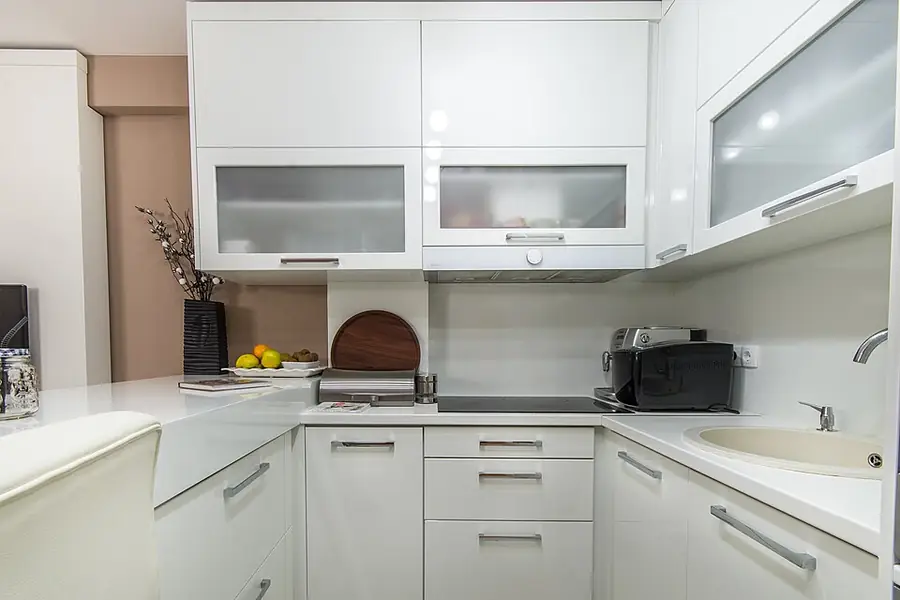
The Quick List: 20+ Words Better Than “Very Clean”
If you are in a hurry, start here. Everyone who searches for synonyms for very clean is really asking one question: which word fits my sentence? This table ranks the best synonyms for very clean from mild to extreme, so you can grab the right strength in seconds.
| Strength | Word | One-line meaning |
|---|---|---|
| Mild | Neat | Tidy and orderly, nothing out of place |
| Mild | Tidy | Neat and well arranged |
| Mild | Well-kept | Cared for and maintained over time |
| Moderate | Sparkling clean | Clean enough to shine |
| Moderate | Gleaming | Shining brightly because it is clean |
| Moderate | Polished | Smooth and shiny from cleaning or care |
| Moderate | Scrubbed | Cleaned hard, usually by hand |
| Moderate | Dirt-free | No dirt at all |
| Strong | Spotless | Without a single spot or mark |
| Strong | Stainless | Free from stains or marks |
| Strong | Unblemished | Without a flaw or mark of any kind |
| Strong | Flawless | Perfect, with nothing wrong to see |
| Strong | Crystal clear | So clear you can see straight through it |
| Very strong | Immaculate | Perfectly clean, without a speck |
| Very strong | Pristine | In its original, untouched condition |
| Very strong | Squeaky clean | So clean it almost squeaks |
| Very strong | Spick and span | Neat and clean in every corner |
| Very strong | Pure | Free from anything dirty or mixed in |
| Germ-free | Hygienic | Clean in a way that protects health |
| Germ-free | Sanitized | Cleaned to kill germs |
| Germ-free | Sterile | Completely free of germs |
Keep this table in mind as you read. The rest of this article explains what each word really means, when to use it, and when to leave it alone.
The Three Words Everyone Confuses: Spotless vs. Immaculate vs. Pristine
Ask ten people to name a stronger word for “very clean” and most of them will say one of these three. They sound similar. They are not the same, and using the wrong one can make a sentence feel slightly off, even if nobody can say why.
Here is the difference in one table:
| Spotless | Immaculate | Pristine | |
|---|---|---|---|
| Core meaning | No spots, stains, or marks | Perfectly clean, without a speck | In its original, untouched condition |
| What it describes | A surface or thing that was cleaned | A place, appearance, or record that is flawless | Something that has never been damaged or dirtied |
| Feeling | Practical and visual | Formal and admiring | Rare, almost precious |
| Best for | Kitchens, windows, shirts, cars | Hotel rooms, suits, reputations, uniforms | Beaches, forests, antiques, first editions |
| Example | “The windows were spotless.” | “She wore an immaculate white suit.” | “We found a pristine beach nobody had visited.” |
Spotless is the workhorse. It is literal: no spots. You can picture it. A spotless kitchen counter, a spotless white shirt, a spotless windshield. It is the word to reach for when you want to say “someone cleaned this very well” and nothing more. It never sounds wrong, and it never sounds fancy. That is its strength.
Immaculate goes one step further. It comes from Latin — macula means a spot or stain, and immaculate means “without a stain.” It carries a sense of perfection that goes beyond the surface. An immaculate room is not just wiped down; it looks like no one has ever lived in it. The word also works for things that are not physical at all: an immaculate reputation, an immaculate record. You would not call a beach immaculate, and you would not call a shirt pristine if you just washed it. Register matters, and immaculate is the formal one of the three.
Pristine is the one people misuse most. It does not simply mean “very clean.” It means something is in the condition it started in — untouched, original, unspoiled. A pristine beach is one nobody has littered on. A pristine first edition of a book is one nobody has read, bent, or marked. A pristine kitchen is a strange thing to say unless the kitchen was just installed yesterday. If something has been used and then cleaned, “spotless” is the honest word. Save “pristine” for things that are still as they were when they began.

Spotless: The Workhorse Word
If you remember one synonym from this whole guide, make it spotless. It is the most useful word for “very clean” in the English language, and it is the one you will reach for most often.
What “spotless” really means: without a single spot, stain, or mark. The word comes from “spot” plus the suffix “-less,” meaning “without.” A spotless shirt has no marks on it. A spotless floor has no footprints. A spotless reputation has no blemish on it — and that is a clue to how versatile the word is. It works for things you can see, and for things you cannot.
Spotless is also honest. It does not promise perfection in some abstract sense. It promises something you can check with your own eyes: look at it, and you will not find a spot. That is why it works so well in real writing. A hotel review that says “the bathroom was spotless” tells you exactly what the writer saw. A job reference that says “her record is spotless” tells you exactly what the writer means.
Use it when:
- You want to say a surface, a room, or a piece of clothing has been cleaned thoroughly
- You are writing a review, a description, or a listing
- You want a word that sounds natural, not fancy
- You are describing something that was dirty and is now clean
One note: “spotless” is about what you can see. It does not mean germ-free, and it does not mean sanitized. A spotless kitchen counter can still have bacteria on it. If you mean “free of germs,” you need a different word — and you will find it in the germ-free section later in this article.
Immaculate: Clean Enough to Impress
Immaculate is spotless with a suit on. It means perfectly clean, without a speck — and it carries a sense of admiration that “spotless” does not.
What “immaculate” really means: from the Latin immaculatus — in- (not) + macula (spot, stain). Literally, “without a stain.” The word has been in English since the 1400s, and it has always carried a slightly formal, slightly reverent tone. You do not call a muddy dog immaculate. You call a wedding dress immaculate. A hotel room that has just been prepared for a VIP guest. A white uniform that looks like it has never been worn.
Immaculate works for things that are not rooms at all. An immaculate reputation. An immaculate driving record. An immaculate set of accounts. In every case, the meaning is the same: flawless, with nothing to criticize. The word does not just describe the state of something. It praises it.
Use it when:
- You want to sound formal, polished, or admiring
- You are describing something that looks perfect, not just clean
- You are writing about appearance, reputation, or a record
- You want a word with a little ceremony to it
One note: immaculate is a strong word, and strong words lose their power if you use them for everything. An immaculate kitchen is a compliment. An immaculate sock drawer is a joke. Save it for the things that deserve it.
Pristine: Untouched, Not Just Clean
Pristine is the word people get wrong most often, so let us get it right.
What “pristine” really means: in its original, untouched condition. From the Latin pristinus, meaning “former” or “original.” A pristine beach is a beach nobody has littered on. A pristine forest is a forest nobody has cut down. A pristine first edition is a book nobody has read, bent, or marked. The word is about what has NOT happened to something, not about how well it has been cleaned.
That is the key difference. Spotless means “cleaned very well.” Pristine means “never dirtied in the first place.” If you wash a shirt and it comes out perfect, it is spotless. If a shirt has sat in a drawer, untouched, since the day it was made, it is pristine. One describes a result. The other describes a history.
Use it when:
- You are describing something in its original, natural, or untouched state
- You are writing about nature, antiques, collectibles, or places
- You want to say something is rare and unspoiled, not just clean
- You are describing a condition that cannot be restored by cleaning
One note: if something has been used and then cleaned, “pristine” is the wrong word — even if it looks perfect. A cleaned-up beach is a clean beach, not a pristine one. Save “pristine” for the things that are still as they began.
Words for a Clean Home
Most of the time, when people search for synonyms for very clean, they are writing about a home. A house listing. A hotel review. A description of a room. Here are the words that fit a home best.
Neat, tidy, and well-kept are the quiet words of this group. They do not shout. They describe a home that is in order — nothing out of place, nothing left lying around, nothing that needs doing right now. A neat kitchen. A tidy living room. A well-kept garden. These are the words for everyday cleanliness, the kind that takes ten minutes a day rather than a weekend of scrubbing.
Neat means orderly and well arranged. A neat desk. A neat stack of books. A neat garden path. It is about arrangement as much as cleanliness — things in their place.
Tidy is close to neat, but it leans more toward “cleaned up.” A tidy room is one that has been put right. A tidy person is one who keeps things that way. If you want to see the difference, think of it this way: a neat room was arranged well; a tidy room was cleaned up after a mess.
Well-kept is the word for a home that is looked after over time. A well-kept house. A well-kept garden. It does not mean “cleaned once.” It means “cared for, week after week, year after year.” It is a compliment to the owner, not just to the room.
Spick and span is the cheerful one. It means neat and clean in every corner, and it sounds like something a grandmother would say — because it probably is. The phrase comes from the old words spick (a nail, brand-new) and span (a wood chip, freshly cut) — things that were new and bright. A spick-and-span kitchen. A spick-and-span bathroom. It is informal, warm, and slightly old-fashioned, and it works best in casual writing.

If you are describing a home that someone looks after carefully, these four words will do most of the work. Save “immaculate” for the days when the whole house has been deep-cleaned for guests. Save “pristine” for the new-build that nobody has lived in yet. For the everyday home, neat, tidy, and well-kept are the honest words.
The Germ-Free Family: Hygienic, Sterile, Sanitized
Now we come to the three words people mix up most dangerously, because these three are not really about looking clean. They are about germs. Getting them wrong does not just sound odd — it can mislead the reader.
| Hygienic | Sanitized | Sterile | |
|---|---|---|---|
| Core meaning | Clean in a way that protects health | Cleaned to reduce germs to a safe level | Completely free of all germs |
| How strong | Everyday health standard | Stronger — germs killed | Absolute — zero living germs |
| Where you see it | Kitchens, bathrooms, hands | Restaurants, gyms, hotels | Hospitals, surgery, labs |
| Example | “Wash your hands — it’s hygienic.” | “The tables are sanitized between guests.” | “The surgical tools must be sterile.” |
Hygienic is the everyday word. It means clean enough to keep you healthy. Washing your hands is hygienic. A clean kitchen is hygienic. The word is about habits and standards, not about perfection. A hygienic restaurant is one that follows the rules: clean surfaces, washed hands, food stored properly. It does not promise zero germs, and nobody expects it to.
Sanitized is stronger. Something that has been sanitized has been actively treated to kill germs — wiped with disinfectant, steamed, sprayed. A sanitized table in a restaurant has been wiped down between guests. A sanitized hotel room has had its high-touch surfaces disinfected. The word tells the reader that someone did something specific, not just that the place looks nice. During the last few years, “sanitized” has become one of the most common words in travel and hospitality writing, because it answers the question guests actually ask: did someone clean this for health, or just for looks?
Sterile is the absolute. A sterile surface has no living germs on it at all — not fewer germs, zero. That is why the word belongs to surgery, laboratories, and medical equipment. A sterile operating room is a room where every surface, every tool, and the air itself have been treated to eliminate microorganisms. Calling a living room “sterile” is not a compliment. It sounds cold, empty, and lifeless — which is exactly the feeling the word carries when it is used outside medicine. Writers sometimes reach for “sterile” because it sounds impressive, but it backfires: it makes a home sound like a hospital ward.

One more word belongs in this family: pure. Pure means free from anything mixed in or added — pure water, pure air, pure intentions. It is a cousin of “clean,” not a twin. You can call water pure. You can call a white dress pure. You would not usually call a kitchen pure, unless you are writing poetry. Use it when the point is freedom from contamination in a general sense, not when you mean someone wiped the counters.
The practical rule is simple. For everyday health, say “hygienic.” For a place that was actively disinfected, say “sanitized.” For a medical or laboratory setting where zero germs is the standard, say “sterile.” And if you are writing about a home, a hotel, or a restaurant, think twice before using “sterile” — your reader will picture a hospital, not a home.
Formal Words for Reports, Resumes, and Reviews
Sometimes “very clean” is not just weak — it is unprofessional. A hotel review, a housekeeping report, a real estate listing, or a job application needs words that sound like they belong in print. These are the formal options, and each one has a job to do.
Immaculate is the strongest formal compliment, as the earlier section explained. It fits hotel reviews (“an immaculate suite”), uniforms (“an immaculate uniform”), and records (“immaculate bookkeeping”). It sounds careful and admiring, never casual.
Pristine fits formal descriptions of condition: “pristine condition” is the phrase collectors, sellers, and inspectors use. A car in pristine condition, a house in pristine condition, a document in pristine condition — in each case the point is that the thing is as good as new.
Unblemished is the formal word for “without a flaw.” It works for skin, for reputations, and for surfaces. “An unblemished complexion” is a common phrase in beauty writing. “An unblemished record” is a common phrase in formal references. It is a quiet word — it draws attention to the absence of flaws rather than to the cleaning itself.
Flawless is close to unblemished but bolder. It means perfect, with nothing wrong at all. A flawless paint job, a flawless performance, a flawless complexion. It is a strong word, so use it sparingly. If everything in your review is flawless, nothing is.
Well-kept is the formal word for a place that is maintained over time. A well-kept garden, a well-kept building, a well-kept home. It tells the reader that the owner is careful and consistent, not just that someone cleaned up yesterday. In a real estate listing, “well-kept” is worth more than “very clean” because it promises the future, not just the present.
Stainless is a useful formal word with a literal meaning: free from stains. It is the word for steel, for shirts, for reputations. “A stainless reputation” is a formal compliment. But be careful with “stainless steel” — that is a material, not a description of how clean something is. A stainless steel sink can still be dirty.
In formal writing, the trick is to pick one strong word and let it do the work. “The apartment was immaculate” is a better sentence than “The apartment was very clean and tidy and neat and well-kept.” One precise word beats four vague ones. That is true in every kind of writing, but it matters most when the reader is judging you — a hiring manager, a hotel guest, a home buyer.
If you are describing a person rather than a place, the same principle holds. A “very smart” person is forgettable; a brilliant one is not. The same instinct that makes you look for a better word than “very clean” should make you look for better words everywhere. If you have not read it yet, our guide to synonyms for very scared shows the same idea at work — terrified, petrified, and panicked are not the same feeling, just as spotless, immaculate, and pristine are not the same kind of clean.
Everyday Words and Idioms: Squeaky Clean, Spick and Span
Not every situation calls for a formal word. Sometimes you want the phrase people actually say out loud. English has two great idioms for “very clean,” and both of them have stories worth knowing.
Squeaky clean is exactly what it sounds like. Rub your finger across a truly clean glass and it squeaks. The phrase started as a literal description of that sound and became a figure of speech for anything spotless — a squeaky clean kitchen, a squeaky clean car, a squeaky clean record. It is friendly, a little playful, and perfect for casual writing. It does not belong in a formal report, but it belongs everywhere else. “The apartment was squeaky clean when we moved in” is a sentence a real person would say, and your reader will believe it.
Spick and span is older and stranger. It comes from shipbuilding: a “span-new” nail was a brand-new nail, fresh from the forge, and “spick” was an old word for a spike or nail. A ship that was “spick and span” was fitted with brand-new nails throughout — everything fresh, everything in order. Over time the phrase drifted from ships to houses, and now it means neat and clean in every corner. “Her little cottage was spick and span” is a warm, old-fashioned compliment. It suggests not just cleaning but care — the kind of person who irons the curtains and lines up the shoes.
There is also sparkling clean, which sits between the idioms and the formal words. It means clean enough to sparkle — the light catches it. A sparkling clean bathroom, a sparkling clean pool, a sparkling clean set of dishes. It is vivid without being slangy, so it works in reviews, in stories, and in everyday conversation.
Shipshape is another old seafaring word worth knowing: a shipshape room is one where everything is in its place, squared away and ready for inspection, just as a ship is made ready before it sails. It promises order and readiness, not just cleanliness.
And then there are the plain words that do honest work: neat and tidy. A neat desk. A tidy room. These words do not promise gleaming surfaces. They promise order. If your sentence is about a room where everything is in its place, “neat” is the truest word you can use, and there is no shame in it. Strong words are only strong when they are accurate.

One more everyday word deserves a mention: dirt-free. It is blunt and practical — no dirt, period. It shows up in product descriptions (“dirt-free floors”) and in cleaning advice (“a dirt-free home”). It is not elegant, but it is clear, and clarity is a kind of strength.
The rule for idioms is the same as the rule for formal words: match the word to the moment. Squeaky clean and spick and span belong in friendly writing. Immaculate and pristine belong in formal writing. Spotless belongs everywhere. And if you are writing about a feeling rather than a surface — say, the feeling of being scared — the same matching game applies. Our guide to synonyms for very scared is built on exactly this idea: the right word depends on the moment you are describing.
Five Synonyms for Clean (The Short Answer)
“What are 5 synonyms for clean?” is one of the most searched questions about this word, so here is the direct answer, with one line on each.
- Spotless — no spots or stains; the best all-purpose upgrade.
- Immaculate — perfectly clean, with a formal tone.
- Pristine — in original, untouched condition.
- Tidy — neat and orderly; the honest word for a well-kept room.
- Sparkling clean — clean enough to shine; vivid and friendly.
If you only remember one, remember spotless. If you only remember two, add immaculate. And if you want the full picture, the table at the top of this article has 20 more, each with its own strength and use. A good writer does not use the strongest word every time — a good writer uses the right word every time.
Mistakes to Avoid
Most of the errors people make with clean synonyms come from reaching for a word that sounds impressive instead of a word that fits. Here are the ones to watch for.
Calling a room “sterile.” As the germ-free section explained, sterile means zero germs, and it belongs to hospitals. A sterile living room sounds like nobody lives there. Unless you are writing about a laboratory, leave this word alone.
Calling a cleaned thing “pristine.” A washed car is not pristine. A mopped floor is not pristine. Pristine means untouched since new. If someone cleaned it, the honest word is spotless.
Overusing “immaculate.” It is a beautiful word, and that is the danger. If every room in your review is immaculate, the word stops meaning anything. Save it for the one thing that truly deserves it.
Mixing up “clean” and “clear.” “Crystal clear” describes water or glass you can see through, not a surface that was wiped. A clean window can be crystal clear, but a clean floor cannot. Keep the two ideas separate.
Using “very clean” when a stronger word is sitting right there. This is the biggest mistake of all, and it is the one this whole article exists to fix. “Very” is a weak intensifier. It adds emphasis without adding meaning. “Very clean” says “clean, but more.” Spotless says “no spots at all.” The second sentence gives the reader something to see. The first gives them nothing.
A small change in wording can make a large difference in how your writing lands. Swapping “very clean” for “spotless” costs you nothing and gains you a picture. That is the whole game.
Frequently Asked Questions
Here are the answers to the questions people ask most about synonyms for very clean.
What is another word for extremely clean?
Spotless is the best all-purpose answer. For a formal tone, use immaculate. For something in original, untouched condition, use pristine. For casual writing, squeaky clean or sparkling clean work well. The right choice depends on what you are describing and how formal you want to sound.
What are 5 synonyms for clean?
Spotless, immaculate, pristine, tidy, and sparkling clean. Spotless means no spots or stains. Immaculate means perfectly clean with a formal tone. Pristine means in original, untouched condition. Tidy means neat and orderly. Sparkling clean means clean enough to shine.
What is a classy word for “clean”?
Immaculate is the classiest common choice — it sounds formal and admiring without being obscure. Pristine is also elegant, but only when the thing is genuinely untouched or in original condition. For a person or an outfit, “immaculate” is the word: an immaculate suit, immaculate manners, an immaculate appearance.
How do you say clean in a fancy way?
Use immaculate for formal praise (“an immaculate hotel room”), pristine for untouched things (“a pristine beach”), or unblemished for a flawless surface or record (“an unblemished reputation”). In a sentence: instead of “The house was very clean,” write “The house was immaculate, from the gleaming floors to the spotless windows.”
What is the difference between spotless, immaculate, and pristine?
Spotless means no spots or stains — it is the practical, visual word for something that was cleaned well. Immaculate means perfectly clean without a speck — it is formal and admiring, and it also works for reputations and records. Pristine means in original, untouched condition — it is for things that have never been dirtied or damaged, like a new book or an unvisited beach. A washed shirt is spotless; a suit at a wedding is immaculate; a first edition never opened is pristine.
Pick Your Word and Use It Today
You do not need to memorize 22 words. You need three. Spotless for anything that was cleaned well. Immaculate for formal praise. Pristine for things that are still as new. Everything else in this article — the germ-free family, the idioms, the formal words — is there for the moments when one of those three does not quite fit.
Here is a challenge: replace “very clean” once today. In an email, a review, a story, a text message. Write “the kitchen was spotless” instead of “the kitchen was very clean.” Notice how the sentence gets shorter and sharper at the same time. That is what precise words do. They say more with less.
And if you liked this kind of word-hunting, keep going. The same trick works everywhere: a happy moment becomes joyful, a big idea becomes enormous, a very clean room becomes spotless. Your writing will be happy to have the upgrade — and so will your readers.

SynonymsKey helps students and writers find the right word, with synonyms grouped by meaning, antonyms, and clear examples for everyday writing.