
“Very Scared” Tells Nobody Anything
A friend of mine once tried to tell me about the night someone tried to break into her apartment. “I was very scared,” she said. Then she stopped, frowned, and tried again: “No, I mean I was really scared. Like, very, very scared.” She kept piling words on top of the sentence and it still did not work. I could not tell whether she had frozen in place, or run, or screamed, or calmly locked the bedroom door with shaking hands. “Very scared” covers all of those and describes none of them.
That is the problem with the phrase. It tells your listener the fear was big, but it says nothing about what kind of big. Was it the sudden kind, where a noise in the dark makes you jump? Was it the slow kind, where dread builds for hours before a job interview? Was it the paralyzed kind, where your legs simply refuse to move? English has a different word for each of those — and picking the right one is the difference between a sentence people feel and a sentence people skim past.
This guide gives you 25+ synonyms for very scared, ranked from mildly nervous to completely overwhelmed, with a meaning, a strength level, and a real example sentence for every word. You will also learn the difference between terrified and petrified, what separates scared from afraid, which words work in a formal email, and which slang to save for your friends.
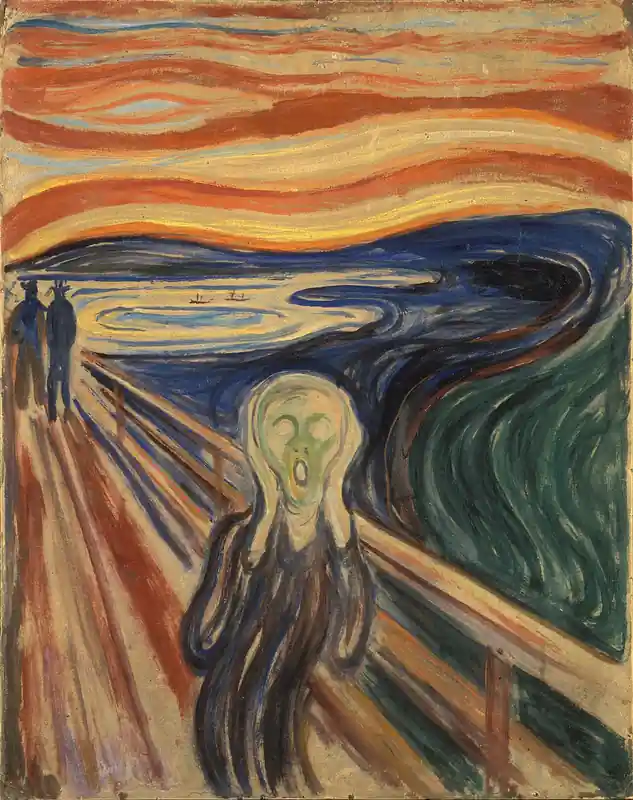
What Is a Word for Extremely Scared?
If you need one word right now, use terrified. It is the strongest all-purpose replacement for “very scared,” and it works in almost every sentence where “very scared” feels too weak. “I was terrified when the car skidded” is sharper, shorter, and more honest than “I was very scared when the car skidded.”
But “extremely scared” is not one single feeling, and terrified is not always the best choice. Fear comes in flavors, and the flavor matters:
- If you froze in place and could not move or speak, the word is petrified — fear so strong it turns you to stone.
- If something shocked you into a panic, the word is horrified — fear mixed with shock and disgust, like watching an accident happen.
- If your fear made you act frantically — running, shouting, grabbing for the door — the word is panicked.
- If the fear was sudden and brief, like a door slamming behind you, the word is startled.
The rest of this guide sorts all 25+ words by intensity so you can find the one that fits your exact situation, instead of settling for “very scared” one more time.
25+ Synonyms for Very Scared, Ranked by Intensity
Fear is not one feeling. It is a sliding scale, and each step on the scale has its own word. Before you grab the strongest word you know, find your place on this scale. Using “petrified” for a mild case of nerves is like calling a drizzle a hurricane — your reader will not believe you.
Mildly Scared (Nervous, Uneasy, On Edge)
These are the words for fear that is present but manageable. Your stomach is tight. You keep checking the time. You are not in danger; you are just not comfortable.
1. Uneasy (3/10) — A vague, nagging discomfort. Nothing has happened yet, but something feels wrong. Example: “The empty parking lot made her uneasy, so she walked faster to her car.”
2. Nervous (3/10) — Fear mixed with anticipation, usually before something specific: a test, a date, a speech. Example: “He was nervous before his first day at the new job, and he checked his tie three times.”
3. Anxious (4/10) — A deeper, more persistent worry than nervousness. Anxious fear sticks around and loops in your head. Example: “She felt anxious all week waiting for the test results.”
4. Apprehensive (4/10) — The formal cousin of nervous. You expect something bad might happen, and you are bracing for it. Great for essays and professional writing. Example: “The team was apprehensive about the merger, though nobody said so out loud.”
5. Timid (3/10) — Fear as a personality trait: shy, easily frightened, quick to back away. It describes a person more than a moment. Example: “The timid puppy hid behind its owner whenever a stranger approached.”
6. Jittery (4/10) — Nervous energy that shows in your body: tapping feet, shaky hands, inability to sit still. Example: “Too much coffee left him jittery before the interview.”
7. On edge (4/10) — An idiom for being wound tight and easily startled, like a wire pulled taut. Example: “After the break-in, the whole street was on edge for weeks.”
Really Scared (Frightened, Alarmed, Shaken)
Now the fear is real and immediate. Something has happened, or is clearly about to. Your heart is beating faster. These words fit a scare that lasts minutes, not days.
8. Afraid (5/10) — The plain, honest word for fear. Less intense than terrified, more serious than nervous. It works in almost any sentence. Example: “I am afraid of heights, so I never stand near the edge of a balcony.”
9. Frightened (5/10) — Slightly stronger than afraid, with a sense of being startled into fear. A frightened person has usually just seen or heard something scary. Example: “The frightened child ran to her mother when the thunder cracked.”
10. Alarmed (5/10) — Fear mixed with alertness. You have spotted a real threat and your brain has switched into warning mode. Example: “He was alarmed to see smoke coming from under the hood.”
11. Startled (5/10) — Fear from sudden surprise. It is brief — the jump, the gasp — and then it fades. Example: “She was startled by the knock on the window and dropped her phone.”
12. Spooked (5/10) — Informal. Fear with a jumpy, haunted quality, like a horse shying at a shadow. Example: “The old house spooked him; every creak sounded like footsteps.”
13. Shaky (5/10) — Fear you can see in the body: trembling hands, a wobbling voice, unsteady legs. Example: “Her voice was shaky when she called to report the accident.”
14. Trembling (6/10) — Like shaky, but stronger — visible shaking you cannot control. Example: “He stood trembling in the doorway, unable to step inside.”
15. Daunted (5/10) — Fear of a task or challenge, not of physical danger. You look at what is ahead of you and it feels too big. Example: “She felt daunted by the 300-page report, but she opened it anyway.”
16. Unnerved (6/10) — Your confidence has been shaken. Something rattled you, and you are not quite steady yet. Example: “The strange phone call left him unnerved for the rest of the evening.”
Extremely Scared (Terrified, Horrified, Panicked)
This is the territory “very scared” is usually reaching for. These words mean serious fear — the kind that changes what you do next.
17. Terrified (8/10) — Intense, overwhelming fear. The strongest everyday word for being very scared, and the one that fits the most situations. If you want a single replacement for “very scared,” this is it. Example: “She was terrified when the elevator stopped between floors and the lights went out.” The Merriam-Webster entry for terrified lists frightened, scared, and horrified among its closest matches — and Terrified is the one native speakers reach for first.
18. Horrified (8/10) — Fear mixed with shock and disgust. You are not just scared; you are appalled by what you are seeing. Example: “He was horrified to realize he had sent the email to the entire company.”
19. Panicked (8/10) — Fear that makes you act without thinking: running, shouting, grabbing at the door. Panic is fear in motion. Example: “The panicked crowd pushed toward the exit when the fire alarm went off.”
20. Fearful (7/10) — A slightly formal word for being full of fear, often used when the fear lasts a while. Example: “The villagers were fearful after the second flood in a year.”
21. Frightened (7/10, in its stronger sense) — Yes, frightened appears twice on this list, because it stretches. In its mild sense it means startled; in its strong sense it means genuinely scared. Context decides. Example: “The hikers were frightened when the bear stood up on its hind legs.”
22. Aghast (8/10) — A literary word for shock and fear combined — the face frozen, the mouth open. It sounds dramatic because it is dramatic. Example: “She stared aghast at the wreckage of her car.”
23. Horror-struck (9/10) — Struck motionless by horror. Stronger than horrified; it implies the fear hit like a physical blow. Example: “The horror-struck audience watched the tightrope walker slip.”
Beyond Scared (Frozen, Overwhelmed, Out of Control)
At the top of the scale, fear stops being an emotion and becomes a physical state. These are the words for the moments people remember for years.
24. Petrified (9/10) — Fear so strong you cannot move. The word comes from the Latin word for stone, and that is exactly the image: turned to stone. Example: “Petrified, she stood in the hallway while the intruder’s footsteps came closer.”
25. Panic-stricken (9/10) — Struck by panic; fear that has taken over completely. More formal and more intense than “panicked.” Example: “The panic-stricken passengers clung to their seats as the plane dropped.”
26. Frozen with fear (9/10) — An idiom, and one of the most vivid ways to say it: the body simply refuses to obey. Example: “He was frozen with fear on the ladder, unable to climb up or down.”
27. Scared stiff (9/10) — Informal, but vivid: so scared your whole body goes rigid. Example: “The horror movie left us scared stiff — none of us wanted to walk home alone.”
28. Freaked out (8/10) — Slang for a sudden, intense scare, often with a sense of losing control. Save it for casual writing and dialogue. Example: “She totally freaked out when the spider dropped onto her shoulder.”

Terrified vs Petrified — What’s the Difference?
These two are the most confused pair on this list, and the difference matters. Both mean extreme fear, but they describe opposite reactions.
| Terrified | Petrified | |
|---|---|---|
| Core meaning | Intensely afraid | So afraid you cannot move |
| Body | Heart racing, ready to run or fight | Frozen, rigid, rooted to the spot |
| Can you act? | Yes — you might run, scream, or hide | No — your body refuses to obey |
| Image | A person sprinting from danger | A statue |
| Example | “Terrified, she ran for the car.” | “Petrified, she could not even scream.” |
Think of it this way: terrified is fear with the engine running. Petrified is fear with the engine seized. A terrified person does something — runs, hides, shouts. A petrified person does nothing, because fear has switched their body off. If your character is running, use terrified. If your character is standing still while their mind screams, use petrified.
There is also a small etymology clue worth knowing. “Petrified” comes from the Greek petra, meaning rock or stone — the same root as “Peter” and “petroleum” (rock oil). The word literally means “turned to stone.” That is why it fits the frozen reaction so perfectly, and why it sounds wrong for a character who is actively running away.
Scared vs Afraid vs Frightened vs Terrified
These four words are the ones people mix up most, so here is the honest difference — because they are not interchangeable, and using the wrong one makes a sentence feel slightly off in a way readers can sense even if they cannot name it.
| Word | Strength | When to use it | Example |
|---|---|---|---|
| Scared | 5/10 | The everyday default; works everywhere, says little | “The dog looked scared.” |
| Afraid | 5/10 | Slightly more formal; fear of a specific thing | “She is afraid of the dark.” |
| Frightened | 6/10 | Fear caused by something sudden or shocking | “He was frightened by the crash.” |
| Terrified | 8/10 | Extreme fear; the strongest of the four | “They were terrified during the storm.” |
The clearest way to feel the difference is to say all four about the same situation. “I was scared during the storm” is fine and flat. “I was afraid during the storm” sounds a touch more serious, almost formal. “I was frightened during the storm” suggests something specific scared you — a window breaking, a tree falling. “I was terrified during the storm” tells the reader you thought you might not be okay. Each step up the ladder adds weight, and your reader feels that weight whether they are thinking about it or not.
There is also a grammar habit worth knowing. “Afraid” is the one of the four that loves the word “of” — afraid of spiders, afraid of flying, afraid of the dark. “Scared” takes “of” too, but it also pairs naturally with “to”: scared to move, scared to speak. “Frightened” usually needs a cause: frightened by the noise, frightened by the news. “Terrified” is the most flexible of all — terrified of, terrified by, terrified to, terrified that — which is one more reason it is the best all-purpose upgrade.
How to Say “Very Scared” in a Fancy Way
Sometimes “terrified” is too plain for what you are writing. An essay, a short story, a cover letter about a difficult experience — these are places where a fancier word earns its keep. Here are the best formal and literary options, with the exact register each one belongs to.
Aghast is your best literary choice. It means shocked and horrified at the same time, and it carries a visual image: a face frozen, a mouth open. It fits narrative writing beautifully. Example: “He stood aghast as the verdict was read out in the silent courtroom.”
Horror-struck is even stronger, and it sounds like what it is — a blow. Use it when the fear arrives all at once and leaves someone motionless. Example: “The horror-struck crowd fell silent as the building began to sway.”
Daunted is the fancy word for fear of a challenge rather than fear of danger. It is perfect for professional and academic writing, because it sounds measured rather than emotional. Example: “She was daunted by the scale of the project, but she accepted the role anyway.”
Apprehensive is the polite, formal way to say nervous or worried. It works in emails, reports, and essays where “scared” would sound too casual. Example: “Investors were apprehensive ahead of the earnings report.”
Unnerved is the sophisticated choice for fear that lingers after the scary thing is over. It describes the after-effect: your confidence is shaken, and you are not quite steady. Example: “The anonymous letter left her unnerved for days.”
Panic-stricken is the formal version of “panicked,” and it belongs in news writing, formal essays, and serious nonfiction. It is too heavy for a text message, and exactly right for a report. Example: “Panic-stricken residents fled the town as the wildfire approached.”
A quick warning about fancy words: they only work if they fit the sentence around them. “I was aghast when my toast burned” is funny for the wrong reason — the word is too grand for the situation. Match the word to the size of the fear, and the fancy vocabulary will make you sound precise instead of pretentious.
Very Scared Slang and Informal Ways to Say It
Slang is where fear gets colorful. These words are perfect for dialogue, texts, social media, and casual storytelling — and terrible for a job application. Know which room you are in before you use them.
Spooked — the classic. It comes from the world of ghosts and haunted houses, and it still carries that flavor: fear with a jumpy, eerie edge. Example: “That empty hallway at 2 a.m. really spooked me.”
Freaked out — the most common slang for a sudden, intense scare. It suggests losing control for a moment, then recovering. Example: “I freaked out when I saw the snake on the porch.”
Scared stiff — vivid and physical: so scared your body goes rigid. It works in speech and casual writing, and everyone understands it instantly. Example: “The jump scare in that movie left us scared stiff.”
On edge — not slang exactly, but informal: wound tight, jumpy, waiting for the next bad thing. Example: “He has been on edge ever since the accident.”
Jittery — nervous energy you can see: tapping feet, shaky hands, a voice that wobbles. Often used when the fear is mixed with too much caffeine or too little sleep. Example: “She felt jittery before her driving test.”
Shaking like a leaf — an idiom that doubles as slang: trembling so visibly that everyone can see it. Example: “He came out of the haunted house shaking like a leaf.”
One rule for slang: never stack two slang fear words in one sentence. “I was freaked out and spooked and scared stiff” sounds like a joke. Pick one, and let it do the work.

Idioms for Being Very Scared
Idioms are the secret weapon of English fear vocabulary. They paint a picture instead of naming a feeling, which is why they hit harder than plain adjectives.
Scared stiff — so frightened your body goes rigid, like a board. Example: “The thunderstorm left the dog scared stiff under the bed.”
Heart in your mouth — fear so sudden your heart seems to jump into your throat. Example: “My heart was in my mouth when the ladder started to wobble.”
Shaking like a leaf — trembling visibly and uncontrollably. Example: “She stood shaking like a leaf outside the principal’s office.”
Blood ran cold — the moment fear hits and your whole body seems to go cold at once. This one is for serious, chilling fear, not mild nerves. Example: “His blood ran cold when he heard the front door open downstairs.”
Scared out of your wits — so frightened you cannot think straight. Your wits — your senses, your reason — have been scared right out of you. Example: “The car backfiring scared her out of her wits.”
Frozen with fear — unable to move at all, as if fear has switched your body off. Example: “He was frozen with fear on the cliff edge, unable to take a single step.”
Hair standing on end — the physical sensation of terror: the hairs on your arms and neck rising. Example: “The scream in the dark made the hair on my arms stand on end.”
Idioms work best one at a time. A paragraph with “my heart was in my mouth, my blood ran cold, and I was shaking like a leaf” reads like a parody. Choose the single idiom that matches the scene, and the reader will feel it.
Scared vs Scary — Don’t Mix Them Up
This is one of the most common mistakes English learners make, and native speakers make it too when they are writing fast. Scared is how you feel. Scary is what causes the feeling. You are scared; the movie is scary.
- “I am scared of the dark.” (You feel the fear.)
- “The dark is scary.” (The dark causes the fear.)
- “She was scared by the noise.” (She felt it.)
- “The noise was scary.” (The noise caused it.)
The mix-up usually shows up in sentences like “I am scary of spiders” — which actually means the spiders are afraid of you, which is probably not what you meant. If you are the one feeling the fear, the word is scared. If the thing is producing the fear, the word is scary. The same rule applies to the stronger words: you are terrified, but the storm is terrifying. You are horrified, but the accident was horrifying. Keep the feeling on your side of the sentence and the cause on the other side, and the grammar takes care of itself.
How to Describe Being Very Scared in Writing
Here is the truth about writing fear: naming the emotion is the weakest way to describe it. “She was terrified” tells the reader what happened. Showing what terror does to a body makes the reader feel it. The best writers do both — they pick the right word and then prove it with one physical detail.
Show the body, not just the feeling. Fear lives in the hands, the breath, the stomach, and the legs. Pick one detail and let it carry the scene: “Her hands shook so hard she could not turn the key.” “His breath came in short, shallow gasps.” “Her stomach dropped like an elevator with a cut cable.” One physical detail beats three adjectives.
Pick the word that matches the scene. A character who is running needs a moving word: terrified, panicked, freaked out. A character who is frozen needs a still word: petrified, frozen with fear, horror-struck. A character who is bracing for bad news needs a waiting word: apprehensive, unnerved, on edge. When the word and the action agree, the sentence feels true.
Do not stack fear words. This is the most common mistake in amateur writing. “She was terrified, horrified, and petrified, shaking with fear, her blood running cold” — every word is correct and the sentence is a mess. Choose one strong word, add one physical detail, and stop. Here is the same moment rewritten:
- Before: “She was very scared when she heard the noise. She was terrified and panicked and her heart was beating fast.”
- After: “The noise froze her mid-step. Her heart hammered against her ribs, and she could not make her legs move.”
The second version uses fewer fear words and creates more fear. That is the whole trick.
Use the setting. Fear is easier to write when the place is doing some of the work. A foggy forest, an empty parking lot at midnight, a house where every floorboard creaks — these settings prime the reader, so a single word like “unnerved” lands with full force. You do not need to describe the fear twice.

How to Say Scared Professionally
There are moments when “scared” is too blunt and “terrified” is too dramatic, and you need a word that says “I am worried” without saying “I am falling apart.” Work emails, school essays, medical forms, and serious conversations all reward calmer vocabulary.
Apprehensive is your safest professional choice. It means worried about something that might happen, and it sounds measured. Example: “I am apprehensive about the new deadline, given the current staffing.”
Concerned is the gentlest option — worry without fear. Use it when you want to raise a problem without sounding alarmed. Example: “We are concerned about the drop in sales this quarter.”
Alarmed is the right word when the worry is justified by something real, and you want the reader to take it seriously. Example: “The team was alarmed by the security breach.”
Unnerved works when something has shaken your confidence and you want to say so honestly. Example: “The sudden change in leadership left many employees unnerved.”
Anxious is honest and widely understood, but use it carefully in professional settings — it can sound like a personal problem rather than a professional concern. Example: “She felt anxious about presenting to the board for the first time.”
Avoid in professional writing: freaked out, spooked, scared stiff, and any idiom about blood running cold. Save those for friends. In a work email, the goal is not to sound fearless — it is to sound steady. The right word says “I see the risk clearly” instead of “I am losing my nerve.”
Frequently Asked Questions
What is a word for extremely scared?
The best single word is terrified — it means intensely, overwhelmingly afraid, and it works in almost any sentence. If the fear froze you in place, use petrified instead. If it came with shock, use horrified. If it made you act frantically, use panicked. Each of those is stronger and more precise than “extremely scared.”
What to say instead of “very scared”?
Match the word to the situation. For a sudden shock, say startled. For lasting worry, say anxious or apprehensive. For serious fear, say terrified. For frozen fear, say petrified. For casual conversation, freaked out or spooked work fine. The point is to pick the word that describes your exact kind of fear instead of settling for “very scared” every time.
How do you say “scared” in a fancy way?
The best formal options are aghast (shocked and horrified, good for narrative writing), apprehensive (formal worry, good for essays and emails), daunted (fear of a challenge, good for professional writing), and horror-struck (frozen by shock, good for serious nonfiction). Each one sounds polished without sounding strange, as long as the situation is serious enough to deserve it.
What is another word for “intense scared”?
Terrified is the closest match for intense fear. Petrified is the word when the fear is so intense you cannot move. Panic-stricken is the formal version for fear that has taken over completely. And horror-struck fits when the intensity comes with shock. If you want slang, scared stiff and freaked out both mean intense fear in casual speech.
What is the difference between scared, afraid, frightened, and terrified?
Scared is the everyday default word for feeling fear. Afraid is slightly more formal and usually pairs with a specific thing (afraid of heights). Frightened means fear caused by something sudden or shocking. Terrified is the strongest of the four — extreme, overwhelming fear. Think of them as a ladder: scared and afraid at the bottom, frightened one step up, terrified at the top.
Stop Saying “Very Scared”
You now have 25+ words, and the real lesson is simple: “very scared” is not wrong, it is just empty. It is the word you use when you have not decided what kind of scared you mean. The moment you decide — frozen or running, shocked or worried, formal or slang — the right word is waiting.
Start small. The next time you catch yourself writing “very scared,” stop and ask one question: what is my body doing? If your hands are shaking, the word might be trembling. If you cannot move, it might be petrified. If your heart is racing and you want to run, it might be terrified. One honest question, one exact word — and your sentence is already better.
And if you want to keep building your vocabulary the same way, the same trick works for every feeling. When anger needs a stronger word than “very angry,” our guide to synonyms for very angry ranks 25+ options the same way. When exhaustion needs more than “very tired,” our guide to synonyms for very tired does the same for fatigue. And when you need the opposite feeling, our guides to synonyms for happy, synonyms for sad, and synonyms for amazing will help you say exactly what you mean — in every direction, not just fear.
Pick one word from this list. Use it today. That is how a better vocabulary actually happens: one exact word at a time.

SynonymsKey helps students and writers find the right word, with synonyms grouped by meaning, antonyms, and clear examples for everyday writing.