

When my grandfather died, the family sat around his kitchen table and tried to write the listing for his house. My aunt typed the first draft, and it came out like this: “A very old house, full of very old furniture, in a very old neighborhood.”
My uncle read it and laughed. “You make it sound like a ruin,” he said. “Half that furniture is worth money.”
He was right, and that is exactly the problem. The house was 110 years old and solid as a bank vault. Some of the furniture was valuable — the kind of thing dealers drive two hours to see. And some of it, the sofa with the springs coming through, was just worn out. Three completely different kinds of old, all flattened into the same two words: “very old.” A buyer reading that listing learns nothing. Is the house a treasure or a teardown? Is the furniture an inheritance or a hauling job? “Very old” covers all of it and explains none of it.
English actually owns a whole toolbox for this. It has a word for old-and-valuable and a different word for old-and-falling-apart. It has a respectful word for an old person and a rude one. It has words for ideas and customs that died out a century ago, and words for things so old they were standing before Rome existed. This guide to synonyms for very old gives you 25+ of them — not a dumped list, but a ladder, with a strength score, a plain meaning, and an example sentence for every word. By the end, you will know which kind of old you actually mean.

Why “Very Old” Is Weak Writing
“Very” is a lazy amplifier. It turns the volume up without adding a single fact. But “very old” has a second problem that most vague phrases do not: “old” itself points in three directions at once, and “very” just makes all three louder.
Look at these three sentences:
- “He drove a very old truck.”
- “She collects very old coins.”
- “That rule is very old.”
The truck is old in CONDITION — rust, mileage, a door that will not shut. The coins are old in AGE — and the older they are, the more they are worth. The rule is old in a third way: it has been around a long time and may no longer fit the world it was written for. Same words, three different claims. One of them is an insult, one is a sales pitch, and one is an argument for change. If your reader has to guess which one you meant, the sentence has failed.
That is why the synonyms matter more here than with most words. When you swap “very old” for a precise word, you are not just picking a stronger adjective — you are picking a direction. “Ancient” points at age. “Decrepit” points at condition. “Archaic” points at a thing the world has stopped using. A 200-year-old farmhouse can be antique or dilapidated or both, and your reader deserves to know which. A person can be elderly and sharp, or elderly and frail, and the word you choose tells them. A word like “thou” is not old in its bones — it is old because nobody says it anymore. Three questions hide inside every “very old”: How long has it existed? What shape is it in? Is anyone still using it? The ladder below is organized so you can answer the right one.
There is a practical cost to getting it wrong, too. In a real-estate listing, “very old house” scares buyers and undersells history. In an essay, “very old tradition” says nothing a grader can reward. In a story, calling a grandfather “very old” three times makes him a number instead of a person. And the mistakes can cut the other way: call a man’s opinions “ancient” and you have insulted him; call them “time-honored” and you have praised him. Same age. Opposite words. The choice is the message.
The Old Scale: From Dated to Primeval
Here is the whole guide in one table. Find where your person, thing, or idea sits, take the word that matches, and you are done. The entries below the table give each word a meaning and an example so you can use it with confidence.
| Word | What it really means | Best for | Strength |
|---|---|---|---|
| Dated | Feels like it belongs to an earlier decade | Styles, slang, technology | 4/10 |
| Aged | Has been around a long time; often dignified | People, wine, wood, cheese | 5/10 |
| Elderly | Advanced in years (polite) | People | 5/10 |
| Timeworn | Worn by long use, honestly aged | Buildings, steps, tools | 6/10 |
| Venerable | Old and worthy of respect | People, institutions | 6/10 |
| Vintage | From a valued past era, in style | Cars, clothes, wine, design | 7/10 |
| Antique | Genuinely old and collectible | Furniture, objects, cars | 7/10 |
| Ancient | From the very distant past | Civilizations, ruins, customs | 8/10 |
| Archaic | No longer in use; from an earlier system | Words, laws, customs | 9/10 |
| Decrepit | Old and falling apart from neglect | Buildings, vehicles, objects | 9/10 |
| Antediluvian | Absurdly, almost comically ancient | Attitudes, machines (humor) | 10/10 |
| Primeval | From the earliest age of the world | Forests, landscapes, instincts | 10/10 |
Dated (4/10) — Belongs visibly to an earlier time, and not in a good way. “Dated” is the gentlest word on this ladder, and it is mostly about style: dated slang, a dated kitchen, a dated haircut. Nothing is broken; it just announces its decade. Example: “The movie is fun, but the special effects look dated now.” Use “dated” when the thing still works and only the fashion has moved on.
Old-fashioned (4/10) — Made or done the way it was done long ago. “Old-fashioned” is the neutral twin of “dated” — it can be a criticism or a compliment depending on the sentence. Old-fashioned service is a compliment. An old-fashioned attitude might not be. Example: “He writes old-fashioned letters by hand, in ink, and mails them.” If another word for old things is what you need at the mild end of the scale, start here and with “dated.”
Aged (5/10) — Having lived or existed for a long time, usually with dignity attached. “Aged” is the word for old age with the rough edges smoothed off: an aged oak, aged wine, an aged professor. If you want the dictionary’s own framing, Merriam-Webster’s thesaurus for old groups aged with the words for advanced years — and that is exactly its home: age stated plainly, without insult. Example: “The aged lighthouse keeper had watched that coast for fifty years.”
Elderly (5/10) — Advanced in years, said politely. “Elderly” exists for one job: talking about older people without giving offense. It is the word in news reports, medical forms, and careful conversation. Example: “An elderly neighbor checks on the house whenever we travel.” When writers search for another word for a very old person, this is the safest answer on the ladder — it states the fact and stops there.
Senior (5/10) — Older, and often ranked above others because of it. “Senior” borrows the language of jobs and schools: a senior partner, a senior citizen, senior staff. For people it is respectful and a little formal. Example: “Senior residents of the town were invited to tell its history on stage.” It is a good choice when age comes with standing, not just years.
Timeworn (6/10) — Worn down by long use, and honest about it. “Timeworn” is the word for a thing whose age you can see and feel: timeworn steps dipped in the middle, a timeworn leather chair, a timeworn trail. It is rarely an insult — the wear is evidence of a life fully used. Example: “The timeworn steps of the church sag where thousands of feet have climbed them.”
Worn (6/10) — Damaged or thinned by use. “Worn” is “timeworn” without the poetry: a worn carpet, worn tires, a worn jacket. It points at condition, not years — a two-year-old shoe can be worn out while a century-old table is not. Example: “The map was worn soft at the folds from years in his pocket.” Keep “worn” for the surface of things, and reach higher up the ladder when you mean serious age.
Venerable (6/10) — Old and commanding respect because of it. “Venerable” is the most respectful word in this guide: a venerable professor, a venerable institution, a venerable oak the town refuses to cut down. Age, here, is the reason for honor. Example: “The venerable college has stood on that hill since before the Civil War.” Use it when you want the reader to bow slightly, not wince.
Long-standing (6/10) — Having existed for a long time and still going. “Long-standing” fits arrangements and relationships more than objects: a long-standing agreement, a long-standing feud, a long-standing tradition. Example: “The two families ended a long-standing feud at the wedding.” It is a calm, factual word — the one newspapers reach for.
Age-old (7/10) — As old as anyone can remember; older than memory. “Age-old” belongs to questions, problems, and customs: the age-old question, an age-old remedy, age-old wisdom. Example: “It is the age-old problem: everyone wants the road fixed, nobody wants to pay.” It is stronger than “old” because it claims the thing predates everyone in the room.
Time-honored (7/10) — Old, and respected precisely because it has lasted. “Time-honored” is “venerable” for practices instead of people: a time-honored tradition, a time-honored method, a time-honored way of settling arguments. Example: “They opened the fair with the time-honored ringing of the courthouse bell.” Where “dated” sneers at age, “time-honored” salutes it.
Vintage (7/10) — From a past era, and valuable or stylish because of it. “Vintage” is the word where old turns into a selling point: a vintage car, vintage denim, a vintage wine. It claims a good year, not just any year. Example: “She drove a vintage pickup she had restored herself, and it turned heads at every light.” Pair it with prices and taste; if the thing is merely old and nobody wants it, “vintage” is a lie.
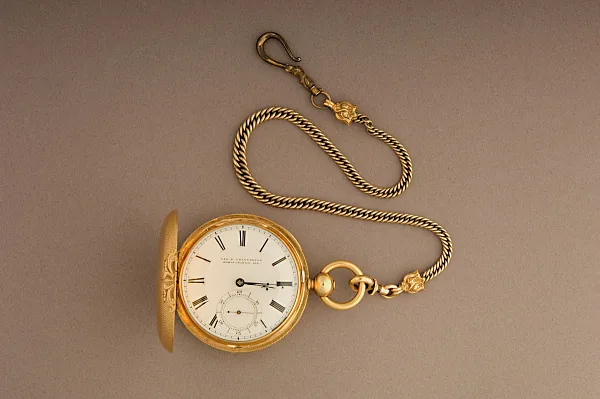
Antique (7/10) — Genuinely old, collectible, and usually made before a set date. Dealers use “antique” with a rough rule — an object around a hundred years old or more — and the word always carries value with it. An antique desk, an antique clock, an antique shop. Example: “The antique wardrobe had survived three moves and two floods, and it still smelled of cedar.” Antique prices rise with age, which connects this word to value: our guide to synonyms for very expensive covers the words for what happens to prices when age turns into rarity.
Bygone (7/10) — Gone with a past era; belonging to a time that has ended. “Bygone” almost always travels with “days” or “era”: a bygone era, in bygone days. It is a wistful word — it mourns a little. Example: “The station once served six trains a day in a bygone era of rail travel.” It fits worlds, not objects: you would not call a single chair bygone.
Ancient history (7/10) — So far in the past it no longer matters. This phrase-entry works two ways: literally (an ancient history, the history of Rome) and as slang for a dead subject — “That argument is ancient history.” Example: “He still apologized for missing the deadline, but to his boss it was ancient history.” It is one of the most useful informal answers to “very old” for events and grudges.
Of yore (8/10) — Of long ago, in storybook language. “Of yore” is deliberately old-fashioned phrasing — knights of yore, in days of yore — and it belongs in playful or poetic writing, not in a report. Example: “The inn claims that travelers of yore drank at the same stone fireplace.” Use it when you want the sentence itself to sound old.
Ancient (8/10) — From the very distant past, before or around the fall of empires. “Ancient” is the headline word of this guide: ancient Rome, ancient ruins, an ancient custom, an ancient grudge. It is also the word teenagers use as a joke about anyone over forty — aimed at a person, it is exaggeration, not description. Example: “The ancient road still shows the ruts of Roman carts.” For things and civilizations, nothing beats it; for people, keep reading the senses section below before you aim it at anyone.
Hoary (8/10) — Gray or white with age; by extension, old and familiar to the point of tiredness. Literally, “hoary” describes frost and white hair: a hoary old oak under frost. Figuratively, it is for jokes and arguments heard too many times: a hoary old excuse. Example: “He opened with the hoary old claim that things were better in his day.” It is a writerly word — more common in books than in speech.
Obsolete (8/10) — No longer used because something better replaced it. “Obsolete” is not about birthdays; a five-year-old phone can be obsolete while a two-thousand-year-old path is still in use. It is the condition of being out of the game: obsolete software, an obsolete law, obsolete machinery. Example: “The factory’s obsolete presses were sold for scrap within a year.” If the thing died because the world moved on, “obsolete” is the exact word.
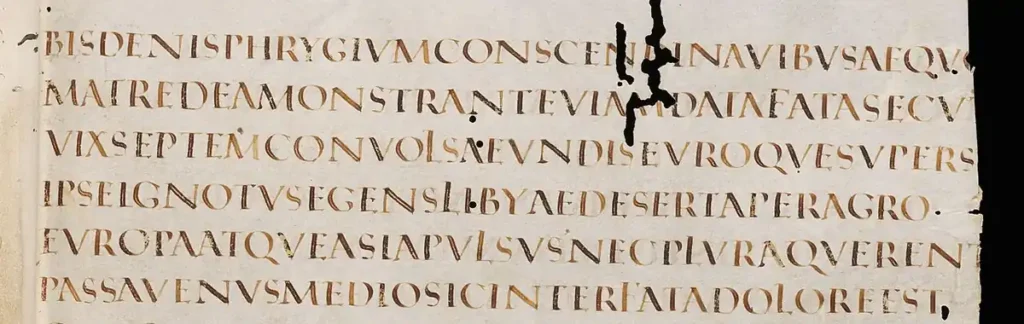
Archaic (9/10) — Belonging to an earlier system and no longer in use. “Archaic” is the strongest word for the third scale — dead words, dead laws, dead customs: archaic spelling, an archaic law, archaic pronouns like “thou.” Example: “The contract still used archaic language nobody under seventy would write.” It sounds learned, and it should: scholars use it for Greek statues and linguists use it for grammar. Calling a person archaic is an insult about their thinking, not their age.
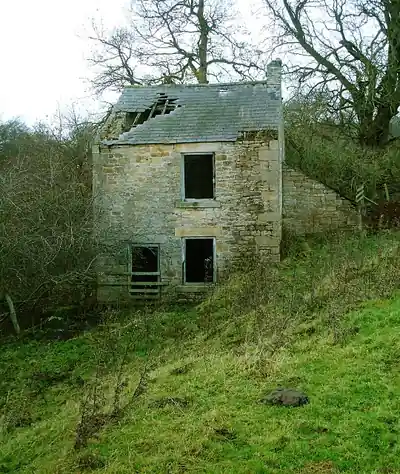
Dilapidated (9/10) — Falling into ruin through neglect. “Dilapidated” is the condition word with the volume up: a dilapidated barn, a dilapidated fence, a dilapidated theater with the roof half gone. The age is real, but the damage is the point. Example: “They bought the dilapidated farmhouse for almost nothing and spent three years bringing it back.” A dark, empty, dilapidated house is also where this guide meets our guide to synonyms for very dark — old places read darker because nobody lights them anymore.
Decrepit (9/10) — Worn out and weak from age; at the edge of collapse. “Decrepit” is the harshest condition word here: a decrepit staircase, a decrepit bridge, a decrepit car held together by habit. Example: “The decrepit porch sagged two inches every year someone stepped on it wrong.” Aim it at things, almost never at people — about a person it is cruel in a way “elderly” never is, and the senses section below explains why that line matters.
Immemorial (9/10) — Older than any record or memory. “Immemorial” lives mostly in one phrase, “since time immemorial,” and in legal language about customs older than documents. Example: “The path across the common has been used since time immemorial, and no deed has ever named an owner.” It is the formal ceiling of the age scale: not just old, but older than proof.
Antediluvian (10/10) — Literally “before the Flood”; in practice, so old it is funny. “Antediluvian” is the ladder’s comic peak: an antediluvian computer, antediluvian attitudes, an antediluvian filing system of paper and string. Example: “The office still ran on an antediluvian computer that took ten minutes to wake up.” It is almost always exaggeration or a joke about attitudes — nobody uses it in a museum label.
Primeval (10/10) — From the first age of the world, before people. “Primeval” is the deepest word in the guide: a primeval forest, primeval swamps, a primeval fear of the dark. It claims the thing predates civilization entirely. Example: “The primeval forest had never been logged, and the trees closed over the trail like a roof.” Where “ancient” means Rome, “primeval” means before Rome, before farming, before names.
Here is how to pick from the ladder: ask the three questions. How old is it in years? (aged, ancient, primeval). What shape is it in? (timeworn, worn, dilapidated, decrepit). Is it still in use? (dated, obsolete, archaic). A thing can score differently on each scale — a Roman road is ancient in years, timeworn in condition, and, if carts still use it, not obsolete at all. The right word is the one that answers the question you actually care about.
Old for a Person, Old for a Thing, Old for an Idea
Most word lists dump these senses into one pile, and that is where writers get hurt. “Old” changes its rules depending on what it describes — and the people sense has feelings attached. Here is the split, plainly.
A Person Advanced in Years
When a person is old, the respectful words are elderly, senior, aged, and venerable. They state the fact with dignity: “the elderly deacon,” “a senior engineer,” “the aged poet,” “a venerable judge.” News writing, obituaries, and anything you would say to the person’s face should stay in this group. The synonyms of old age for people are a vocabulary of respect, and readers can hear the difference instantly.
The jokes are the trap. “Ancient” and “antediluvian” aimed at a person are comedy or insult, never neutral description — fine between grandchildren teasing a grandfather who is in on the joke, and a disaster in a work email. “Decrepit” about a person is worse: it says weak, broken, and finished. Even “old” itself needs care — there is a real difference between an elderly man who is tired after a long day (our guide to synonyms for very tired has the ladder for that temporary state) and an elderly man who is frail. Tired is a day. Frail is a condition. The wrong word confuses them, and the person in the sentence pays for it. One more test: if you would not say the word with the person standing next to you, do not write it about them.
A Thing That Has Lasted
When a thing is old, the first question is whether age made it worth more or worth less. Antique and vintage are the praise words: they promise value, craft, and a good era. Timeworn and worn are the honest middle: the thing shows its years, neither treasure nor trash. Decrepit and dilapidated are the verdict words: age plus neglect, damage in progress, money required.
The classic mistake is mixing the praise and the verdict. A dealer who calls a broken chair “vintage” is flattering it; a grandson who calls his grandmother’s solid oak table “decrepit” because it is old is wrong about both the word and the table. Age alone is not damage. A chair from 1890 can be an antique in perfect shape, and a chair from 2019 can be worn out. Say which one you mean. And note the safety line at the bottom of this sense: a dilapidated staircase or a decrepit porch is not just old, it is a hazard — the flip side of the words in our guide to synonyms for very safe, which covers places built to protect the people in them.
An Idea, Word, or Custom No Longer Used
The third sense has no birthdays at all. An archaic word can be five hundred years old or fifty — what makes it archaic is that the living language dropped it. An obsolete tool is obsolete the day its replacement ships. A dated custom is simply one that announces its decade. These words measure USE, not years, and that is why they cannot describe a person’s age or a building’s condition. A law can be archaic. A grandfather cannot.
This is also where the synonym and antonym of old get tangled for students, so keep the clean version: the opposite of archaic is current; the opposite of obsolete is modern; the opposite of aged is young. Each sense has its own opposite, which is a clue that they were never one sense to begin with. English keeps three different words because the world keeps three different kinds of old.
Idioms for Very Old
Sometimes the best word is not a word at all — it is a phrase everyone already pictures. English keeps a drawer full of idioms for age, and most of them are funny, which tells you something about how people actually talk about getting old. Here are the seven worth knowing.
As old as the hills — Extremely old, and said with a shrug of affection. Example: “That joke is as old as the hills, and my father still laughs at it.” It works for things, places, and stories, and almost never wounds. The hills have been there forever; so has the thing you are describing.
As old as Methuselah — Older than anyone can properly imagine. Methuselah is the longest-lived figure in the Bible, at 969 years, and the phrase borrows his résumé. Example: “The caretaker swore the boiler was as old as Methuselah and twice as stubborn.” It is a joke, and everyone hearing it knows it is a joke.
Long in the tooth — Getting old, showing it in small ways. The phrase comes from horses, whose gums recede with age and make the teeth look longer. Example: “The team’s star player was getting long in the tooth, a half-step slower than at twenty-five.” It is mild teasing, safe for athletes, cars, and phones; about a colleague, use it only if you are sure of the friendship.
No spring chicken — Not young anymore, said with a wink. Example: “She is no spring chicken, but she out-hiked everyone on the trail.” The compliment hides inside it — the phrase usually introduces evidence that age has not slowed the person down. It is the kindest of the teasing idioms.
Over the hill — Past one’s prime. Example: “He joked at forty that he was over the hill, and then ran a marathon at forty-one.” This is the one to handle with care: between friends it is a birthday-card joke, but aimed at a coworker or written in anything official, it says “finished,” and it can genuinely sting. The rudeness warning is real — this idiom has ended workplace goodwill before.
Older than dirt — Comically, impossibly old. Example: “The diner’s coffee machine looked older than dirt, and the coffee tasted like it.” Informal and humorous, for things and for people who are proudly in on the joke. Never in formal writing, and never about a stranger.
From time immemorial — Existing since before memory or records. Example: “Families have fished that bend in the river from time immemorial.” This is the formal one in the drawer — it belongs to customs, rights, and traditions, and it overlaps the immemorial entry on the ladder.
Fancy Words: How to Sound Smart, Not Stiff
Fancy words are like hot sauce. A little makes the sentence interesting. Too much makes it inedible. Here are the six fancy words for “old,” with honest advice about where each one belongs.
Antediluvian — Before the biblical Flood; in real use, absurdly out of date. It is a comic word wearing a scholar’s coat, and it works best on attitudes and machines: an antediluvian filing system, antediluvian views on email. It sounds ridiculous about a genuinely ancient ruin — Stonehenge is not antediluvian, it is ancient, and the joke would insult it. Example: “His antediluvian opinion was that a résumé should be typed and mailed.”
Primeval — From the first age of the world. Save it for landscapes and instincts: a primeval swamp, a primeval forest, a primeval dread of snakes. It is too big for objects — a chair cannot be primeval — and it earns its size every time it describes something older than people. Example: “The primeval marsh stretched flat to the horizon, unchanged since before there were farms.”
Archaic — The scholar’s word for out-of-use. Archaic Greek, archaic spelling, an archaic law. It is the fanciest useful word in this guide because it does a job no plain word does: it says the thing belongs to a dead system. In an essay it sounds exact. In a text message it sounds like showing off. Example: “The deed was written in archaic legal language that took the lawyer an hour to translate.”
Hoary — White with frost or age; or old and worn out from repetition. A hoary oak under ice is a beautiful image. A hoary excuse is a tired one. Use the literal sense in descriptive writing and the figurative sense in arguments, and expect some readers to meet it for the first time in your sentence — which is fine, if the sentence teaches it. Example: “By February the hoary branches over the lane were white every morning.”
Immemorial — Older than memory and records. It lives in set phrases and legal writing, and one use per essay is plenty. “Since time immemorial” is a complete claim all by itself; stacking it next to “ancient” and “age-old” makes the sentence wobble. Example: “The village green has been common land since time immemorial.”
Venerable — The fancy word that is also the polite one. A venerable historian, a venerable cathedral, a venerable tradition. It sounds formal because it is formal — it belongs in speeches, histories, and obituaries, and it would sound stiff in a birthday toast that means to be warm. Example: “The venerable library still lends books from a card catalog older than its librarians.”
The rule for all six is the same: one fancy word per paragraph, and only when the plain word would genuinely say less. “Archaic” says more than “old” — it says dead and buried by its own system. “Primeval” says more than “ancient” — it says before people entirely. If the fancy word adds nothing but syllables, it is only adding noise.
Synonyms for Very Old for Students and School Writing
If you are writing an essay, a report, or a college application, some of these words will help you and some will hurt you. Here is the honest split.
Essay-safe words: ancient, aged, elderly, time-honored, long-standing. These are formal, clear, and exact. “The ancient road predates the town.” “Elderly residents remember the flood.” “It is a time-honored custom.” A teacher reads each one and sees a writer who chose on purpose.
Too casual for an essay: older than dirt, over the hill, no spring chicken, as old as Methuselah. These are jokes, and they belong in stories, speeches, and personal essays — not in a research paper’s argument. The exception: a personal essay can carry one of them beautifully, especially no spring chicken, because its warmth is the point.
Too fancy for a 9th-grade paper: antediluvian, primeval, immemorial. Your teacher will know you looked them up, and not in a good way — especially if “ancient” would have said the same thing. In an 11th- or 12th-grade paper, “archaic” and “hoary” are fair game, because each adds a meaning “old” does not carry: out of use, or white with frost and age.
Words to use in a personal essay: timeworn, venerable, age-old, of yore (once, for flavor). These are warm and visual. “The timeworn steps of my grandmother’s porch” puts the reader on the porch. “An age-old argument between brothers” tells the truth with a smile. One more assignment note: when a teacher asks for synonyms of old age for a person in a biography, reach for elderly, senior, and venerable — respectful words — and leave the idioms in the drawer.
One more piece of advice for students: do not use a fancy word you cannot pronounce out loud. If you stumble over “antediluvian” reading your own essay, your teacher will stumble too. The best word is the one you understand completely — and the one your reader understands too.
Antonyms of Very Old
Sometimes the fastest way to understand “old” is to look at its opposite. Here are the antonyms, on the same kind of scale:
New (4/10) — Recently made or recently arrived. Example: “The new bridge replaced the truss bridge that had served since 1911.”
Recent (5/10) — From a short time ago, still close to now. Example: “A recent photograph showed the barn before the fire.”
Modern (6/10) — Of the present time, built with present methods. Example: “The modern wing of the museum stands in glass next to the stone original.”
Fresh (6/10) — New, and still untouched by wear. Example: “Fresh paint covered the porch boards for the first time in thirty years.”
Brand-new (8/10) — Completely new, never used. Example: “The brand-new tractor still had the dealer’s plastic on the seat.”
State-of-the-art (9/10) — The newest and most advanced available. Example: “The hospital replaced its aging scanners with state-of-the-art machines.”
Old and new are not enemies — they are a pair, and most good descriptions need both ends of it. The farmhouse is a century old and the wiring is brand-new. The professor is elderly and her thinking is modern. The word you choose should match the scale you mean: age, condition, or use. If you want the full opposite ladder — the complete vocabulary of the young end — our guide to synonyms for very young uses the same method: one precise word beats a vague phrase every time, whether the subject is a newborn idea or a primeval forest.
Frequently Asked Questions
What is a better word for “very old”?
It depends on which kind of old you mean, and that is the real answer. For age alone, use “ancient” — an ancient custom, ancient ruins. For an old thing with value, use “antique” or “vintage.” For an old person said with respect, use “elderly” or “venerable.” For something worn out, use “decrepit.” If you must pick one everyday upgrade that fits the most sentences, pick “ancient” for things and ideas, and “elderly” for people.
What is a fancy word for “old”?
“Archaic” is the most useful fancy word — it means no longer in use and belongs in essays and formal writing. “Antediluvian” is the showiest, meaning before the Flood, and in practice it is a joke about things that are absurdly out of date. “Primeval” is the deepest, for things older than civilization. One fancy word per paragraph is the limit; two in a row sounds like a costume.
What word means extremely old?
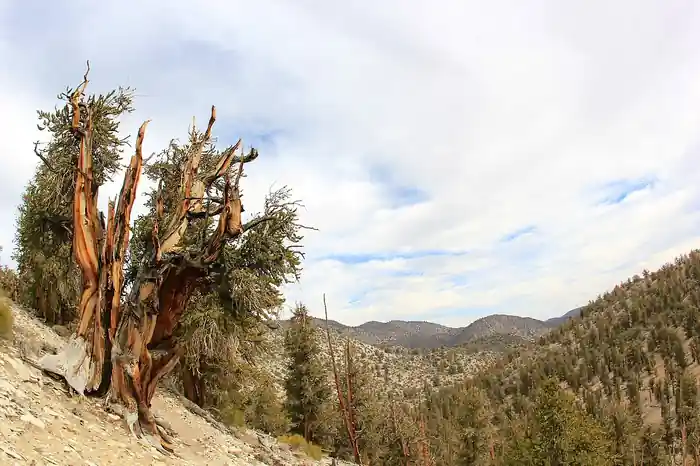
“Primeval” makes the strongest claim — from the first age of the world, before people existed. “Ancient” is the standard strong word, for civilizations, ruins, and customs thousands of years old. “Immemorial” means older than any record, and “antediluvian” claims the comic extreme. Among living things, the bristlecone pines of California reach nearly five thousand years — old enough that “ancient” is not an exaggeration but a measurement.
What is another way to say “too old”?
For a person, people say “past it” or “over the hill” — both are jokes between friends and insults from anyone else, so handle them with care. For a thing, the honest phrases are “past its prime” and “worn out”: a car past its prime, boots worn out. For a rule, a tool, or a system, the exact word is “obsolete” — it is not that the thing is too old, it is that the world replaced it. Say which of those three you mean and the sentence is already stronger.
Keep Three Words in Your Pocket
If you remember nothing else from this guide, remember three words. Ancient — your word for age itself: ruins, civilizations, customs, grudges, anything whose years are the point. Antique — your word for valuable things: the word that promises the old thing is worth keeping, worth money, worth the drive to see it. Archaic — your word for dead systems: the law, the spelling, the custom that the world has stopped using, however long ago it was written.
The next time you catch yourself writing “very old,” stop and ask three questions. Old in years, old in condition, or old and out of use? A stone circle can be ancient and sound. A farmhouse can be dated and solid. A word can be young in years and already obsolete. The answer is sitting in this guide, and the right word is usually one question away. Use it, and your writing will do what “very old” never could: it will tell the reader exactly how the years have treated the thing — as a treasure, as a survivor, or as a relic.

SynonymsKey helps students and writers find the right word, with synonyms grouped by meaning, antonyms, and clear examples for everyday writing.