
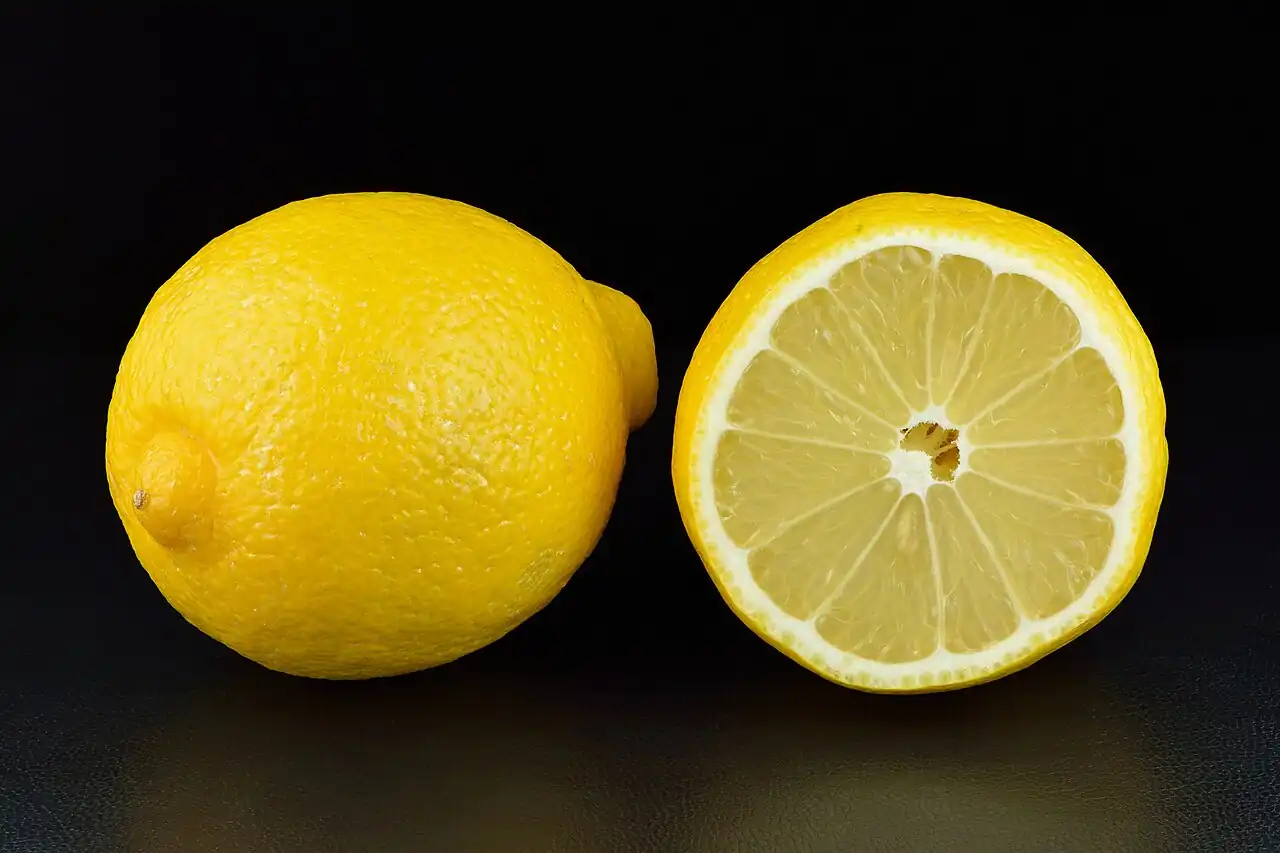
“Very sour” tells your reader almost nothing, because sourness wears three completely different faces. A lemon tart can be sour in a way the baker is proud of. A pickle is sour on purpose, and people pay extra for it. And milk left too long in a warm kitchen turns sour in a way that ends the conversation. One phrase, three situations — and the right replacement word is different in every one of them. Call the tart “vinegary” and you have insulted the baker. Call the milk “tangy” and you have written something close to a lie.
So this guide does two things most synonym lists skip. First, it splits “very sour” into its three real senses — taste, spoiled food, and sour moods — and ladders each one separately. Second, inside the taste sense, it draws the line that matters most in a kitchen: the line between pleasant sour and unpleasant sour. Tart and tangy are compliments. Vinegary and acetic are complaints. A ladder that ignores that split teaches the wrong English, no matter how many words it lists. Even the Merriam-Webster thesaurus entry for “sour” sets the relatives side by side without grading their strength or separating their senses — the grading and the separating are exactly what this guide adds.
Pick your sense first, then your rung, then check which side of the pleasant line you are on. That habit will fix nearly every “very sour” sentence you ever write.
Quick Answer
If you mean taste:
- Tart — pleasantly sharp; the word cooks reach for when sour is a feature.
- Tangy — sour with a lively zing; pleasant, and often milder than people think.
- Sharp — a clean, pronounced sour bite, neutral to slightly negative.
- Acidic — strongly, chemically sour; the standard serious word.
- Vinegary — sour like vinegar; almost always a complaint.
If you mean food that has gone off:
- Soured — turned sour with age; the plain, exact word.
- Off — no longer fresh; the everyday understatement.
- Rancid — spoiled fats and oils only: butter, nuts, cooking oil.
If you mean a mood, a face, or a relationship:
- Sour-faced — wearing a pinched look of displeasure.
- Peevish — irritable and fretful, sour in a petty way.
- Acerbic — sharp and cutting, of remarks and wit.
- Embittered — soured by disappointment over a long time.
The Taste Ladder: From Bright to Mouth-Puckering
Read this table from the top down. The top rungs are words a menu would happily print. The bottom rungs are words a diner mutters. That slide — from compliment to complaint — is the single most useful thing to learn about sour vocabulary.
| Word | Strength | Pleasant or unpleasant? | Best for |
|---|---|---|---|
| Tangy | Mild to medium | Pleasant | Yogurt, cheese, dressings with a lively zing |
| Tart | Medium | Pleasant | Fruit, pies, green apples — sharpness done on purpose |
| Sharp | Medium to strong | Neutral, tipping negative | Cheese, unripe fruit, a noticeable sour bite |
| Acidic | Strong | Unpleasant | Coffee, wine faults, anything chemically sour |
| Vinegary | Strong | Unpleasant (as taste) | Dressings and pickles that have tipped too far |
| Acetic | Strongest, formal | Unpleasant | Technical writing; the smell of vinegar itself |
| Mouth-puckering | Strongest, informal | Either — depends on tone | Candy, lemons, the physical reaction itself |
Synonyms for Very Sour Taste: The Main Ladder
Tart — the pleasant sharpness cooks aim for
Tart is the crown word of pleasant sour. It means sharp and sour in a way that feels clean, bright, and deliberate. A tart apple bites back a little, and that bite is exactly why you bought it. Bakers use it for lemon tarts, cranberry sauce, and cherry pie — dishes where sourness is the whole point, balanced against sugar but never hidden.
- “The cranberry relish was tart enough to cut through the rich turkey.”
- “She prefers tart grapefruit juice, no sugar added.”
- “A tart Granny Smith is the right apple for this pie.”
Notice that tart can also describe words — “a tart reply” — where it means sharp and a little stinging. That figurative use belongs to the mood family, and it is a useful bridge: tart remarks sting pleasantly or rudely depending on the company, just as tart food pleases or shocks depending on the dish.
Tangy — sour with a zing, and milder than you think
Here is the fence this word needs, because it is the most misused word on the ladder: tangy is pleasant, and it is often milder than “very sour.” A tang is a lively, zesty prickle on the tongue — the sparkle in good yogurt, the zip in a barbecue sauce, the brightness in a sharp cheddar. If the sourness in front of you is extreme, tangy undersells it; reach for sharp or acidic instead.
- “The buttermilk dressing had a tangy edge that woke up the whole salad.”
- “Aged cheddar turns tangy as it matures.”
- “The sauce was sweet first, then tangy.”
Use tangy when sourness is one pleasant note in a mixture, not the whole story. Menu writers love it for exactly that reason.
Sharp — the honest middle word
Sharp describes a sourness you notice immediately: clean, pointed, unmistakable. It sits at the center of the ladder, neutral enough for a food critic and plain enough for everyday speech. Cheese is where sharp lives most comfortably — a sharp cheddar is proudly sharp — but it works for unripe fruit and young wine too.
- “The green plums were sharp enough to make her eyes water.”
- “This farmhouse cheese is properly sharp, not mild at all.”
- “A sharp, lemony finish” — said of a white wine, as praise.
Acidic and acid — the strong, serious words
When sourness becomes the dominant fact about a food, English reaches for chemistry. Acidic is the standard strong word: it says the acids are in charge. Coffee reviewers call a brew acidic when it turns harsh; wine writers call a bottle acidic when the balance has failed. As a noun-turned-adjective, plain acid (“an acid taste”) is blunter and a little more old-fashioned.
- “The tomatoes were so acidic they overwhelmed the pasta.”
- “Cheap coffee often tastes thin and acidic.”
- “An acid drop” — the old name for a boiled sour candy, which tells you the word once sold sweets before it warned about them.
Do not use acidic for people. A person’s cutting manner is acerbic, not acidic — that mistake gets its own entry in the mistakes section below.
Vinegary — sour that has gone too far
Vinegary names the specific sourness of vinegar, and as a description of taste it is almost always a complaint. Vinegar is a wonderful ingredient in its place; a salad dressing that tastes vinegary has too much of it, unbalanced and harsh. Pickles are the exception that proves the fence: a pickle is supposed to be vinegary, so there the word is a plain description, not an insult.
- “The coleslaw was watery and vinegary.”
- “He loves vinegary pickles — the stronger, the better.”
- “The wine had turned vinegary in the open bottle.” (That sentence bridges to the spoiled sense below: wine that goes off literally becomes vinegar-like.)
Acetic and acetous — the rare, formal top
Acetic (from acetic acid, the acid in vinegar) is the technical summit of the ladder. Food scientists and wine judges use it; everyday writers mostly do not. Its even rarer cousin acetous means “sour like vinegar” and appears mainly in old texts and crossword puzzles. Know both words, use acetic only when you want a laboratory chill in the sentence — and when Google asks for “a fancy word for sour,” acetous and the mood-word acerbic are the two answers worth having.
Unripe and green — the sourness of fruit that is not ready
Some sourness is not a flavor choice but a stage of life. Unripe fruit and green fruit (in its older sense of “not yet ripe,” as in “green bananas” of any color) are sour because the sugars have not developed. These words sit beside the ladder rather than on it: they explain why something is sour instead of how sour it is.
- “The unripe persimmon was so astringent and sour it dried out her mouth.”
- “Green mango with salt is eaten on purpose in many countries — proof that one cook’s unripe is another cook’s ingredient.”
Lemony and mouth-puckering — the descriptive edges
Two informal tools finish the taste kit. Lemony pins the sourness to a specific fruit (“a lemony sorbet”) and stays pleasant. Mouth-puckering describes the physical reaction — cheeks pulling in, lips pursing — and is the strongest descriptive option when the rungs above feel too technical. Sour candy aimed at children is marketed with exactly this word, and there it is praise. On a wine, it would be a warning. Tone, as always with sour, is everything.
Synonyms for Soured and Spoiled Food: When Sour Is an Accident
The second sense of sour is about time, not taste buds. Food in this family was fine once and is fine no longer, and English keeps a small, precise vocabulary for it. One fence before the words: this section teaches vocabulary only. It describes the words people use; it does not tell you whether any food is safe or unsafe to eat — that judgment is not a language question, and this guide does not make it.
Soured — the plain, exact word
Soured is the default verb and adjective for food that has turned: “the milk has soured,” “soured cream” (which, confusingly, is also the name of a deliberate dairy product — context decides). It is neutral and factual, the word a news report or a recipe note would use.
Off — the everyday understatement
In kitchens and cafés, food that is no longer fresh is simply off: “the fish smells off,” “this juice tastes off.” Off is deliberately vague — it covers sour, stale, and strange in one small word — which makes it the politest choice when you are a guest and the least precise choice when you are writing.
Turned — the moment of change
Turned focuses on the change itself: “the cream turned overnight,” “the wine has turned.” It pairs naturally with sour (“turned sour”) and carries a small note of disappointment — things that turn were trusted not to.
Rancid — fats only, and the strongest spoiled word
Here is the second fence this guide insists on: rancid belongs to fats and oils. Butter goes rancid. Nuts go rancid. Cooking oil goes rancid. Milk does not go rancid — milk sours and curdles. Rancid is also the most disgusting word in this section: it names the stale, rank smell of oxidized fat, and figuratively it can describe anything corrupted and foul (“rancid politics” appears in opinion writing). Reserve it for fat, and it will always land exactly.
Curdled — when sourness changes the texture
Curdled describes milk and sauces that have separated into lumps. It is a texture word as much as a sour word, which is why it also serves figuratively — “a scream that curdled the blood” — where sourness is nowhere in sight.
Soured on purpose: the compliment hiding in this sense
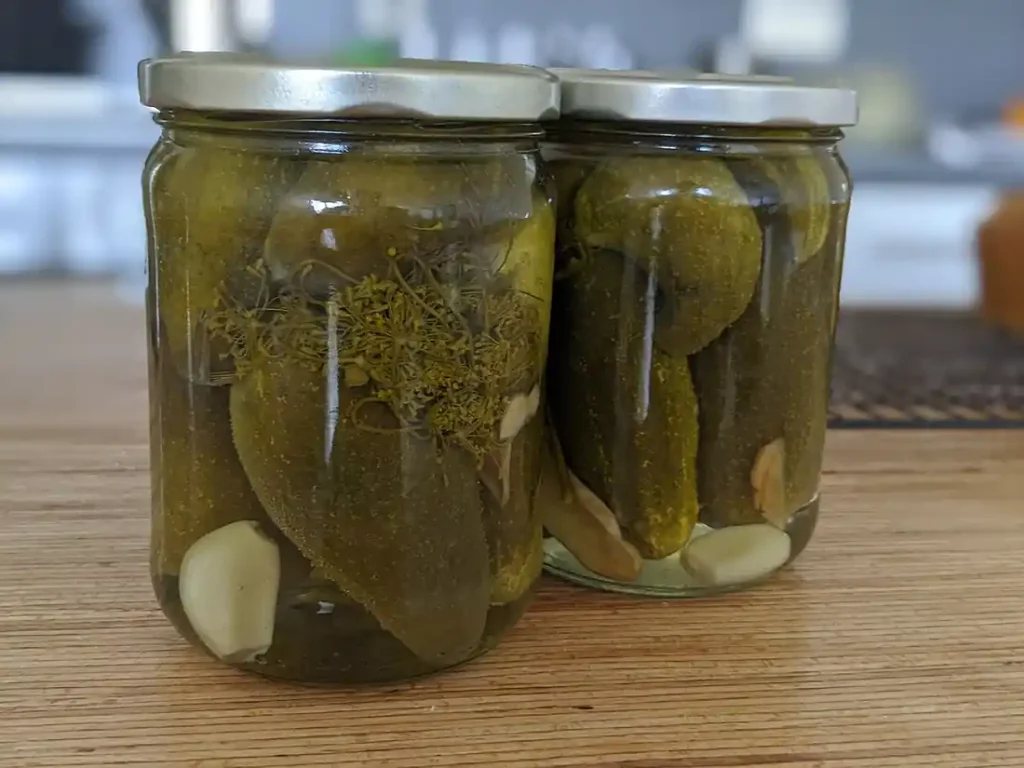
Now the fence that keeps this whole section honest. Some of the world’s favorite foods are sour deliberately: pickles in brine, sauerkraut, kimchi, yogurt, kefir, sourdough bread. For these, soured and fermented are process words, and the sourness is the selling point. A deli does not apologize for a sour pickle; it advertises it. The vocabulary only turns negative when the souring was an accident — the same chemistry, the opposite intention. When you write, name the intention: “deliberately soured” and “soured in the carton” are different sentences about different worlds.
Synonyms for a Sour Mood, Face, or Relationship
The third sense leaves the kitchen entirely. People, expressions, and relationships “go sour” in English, and each of those ideas has its own words. Google’s related searches prove the demand — “sour mood synonym” and “sour person synonym” are live queries — because “very sour” sounds wrong for a person and writers go hunting for the right term.
Sour-faced and the pinched look
A sour-faced person wears displeasure openly: lips pressed, brows down, the whole face arranged like a bite of lemon. Closely related are glum (quietly downcast), sullen (silent, heavy, resentful), and grouchy (irritable and complaining, often temporarily — a grouchy toddler needs a nap, which no one would say of a sullen teenager). Peevish is the petty rung: fretful, easily annoyed, sour over small things.
- “The inspector was a sour-faced man who found fault with every shelf.”
- “He grew peevish whenever the meeting ran past five.”
- “A glum, silent drive home followed the news.”

Acerbic and acid-tongued — sour words from a person
When the sourness comes out as speech, the word is acerbic: sharp, cutting, and often clever. An acerbic critic, an acerbic wit, an acerbic review — the sourness is in the sentences, not the face. This is where acerbic meets our guide on synonyms for very honest: the same blunt remark can be honestly sharp or sourly sharp, and acerbic is how English marks the sour version. The older, rarer acid-tongued says the same thing with the taste metaphor showing.
Embittered and acrimonious — sourness that has settled in
Relationships sour slowly, and the vocabulary deepens with them. Embittered describes a person changed by long disappointment — the partner who was passed over, the founder pushed out of her own company. Acrimonious is the formal word for the relationship itself when it has turned: an acrimonious divorce, an acrimonious split, acrimonious negotiations. And bitter — fenced here, because in this sense it is not a taste at all — names the resentment underneath: a bitter dispute, a bitter rival, bitter to the end.
The idioms: sour grapes and deals gone sour
Three idioms carry this sense, and each needs a label, because none of them means “very sour” literally:
- Sour grapes — from Aesop’s fox, who decided the grapes he could not reach were probably sour anyway. It means pretending to despise what you cannot have. It is about envy disguised as disdain — nothing to do with fruit flavor.
- Turn sour / go sour — of plans, deals, moods, and marriages: to deteriorate. “The negotiations turned sour on the third day.” This is the bridge idiom: the same phrase describes milk and mergers, which is exactly why it works as a metaphor.
- A sour note — one wrong element that spoils an occasion: “The argument struck a sour note at an otherwise warm dinner.”
When a mood tips from private irritation into open anger, the vocabulary changes families entirely — that territory belongs to our guide on synonyms for very angry, and the fence matters: a sour colleague simmers; an angry one erupts.
Sour vs. Its Neighbors
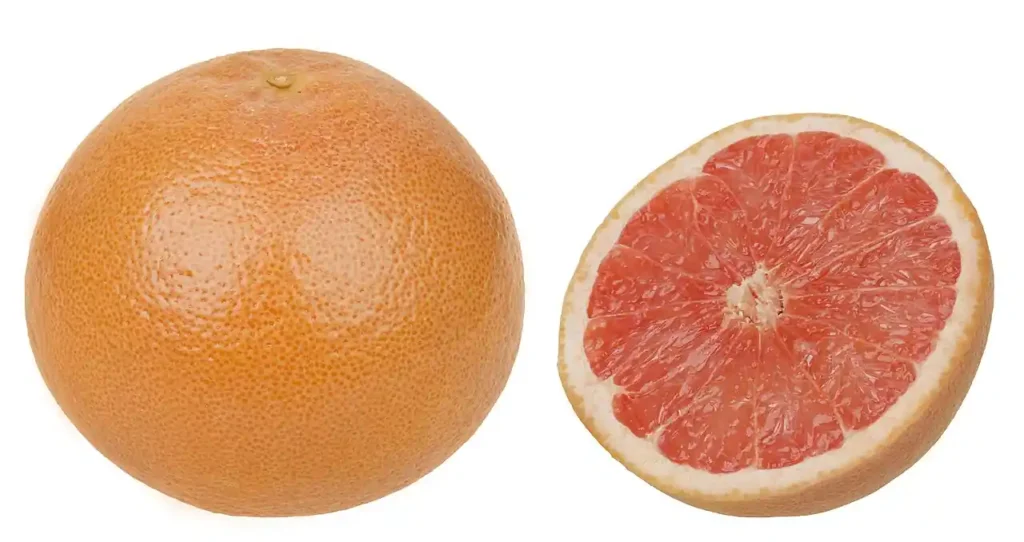
Sour vs. bitter. These two tastes are constantly confused in writing, and they are not the same sensation. Sour is acid: lemons, vinegar, the top of the tongue’s warning system. Bitter is alkaloid: coffee grounds, dark cocoa, grapefruit pith, medicine. A grapefruit is honestly both, which is why it causes the confusion — describe it as “tart shading into bitter” and you will be precisely right. In the mood sense the two split again: sour is displeasure on the face; bitter is resentment in the heart.
Sour vs. tart. Tart is sour’s proud sibling — sourness presented as a virtue, usually with fruit and pastry. Everything tart is sour; not everything sour earns tart. When in doubt, ask whether the cook would print the word on the menu. If yes, it is tart. If the word sounds like a refund request — vinegary, acidic, acetic — it has left tart behind. Food writing plays on the same border where synonyms for very rich describe depth and our sour words describe brightness; a rich dessert often needs a tart sauce against it.
One-line technical note. Winemakers borrow dry for the absence of sweetness, and farmers speak of sour soil and traders of sour crude — real uses, but technical ones, outside this ladder.
Antonyms: The Opposite of Very Sour
The true opposite pole of sour is sweet, and the fullest way to feel the distance is to walk the other ladder: our companion guide on synonyms for very sweet grades sweetness from sugary through honeyed to luscious — the exact mirror of this article, written as its pair. Between the two poles sit the mild middle words: mellow (softened, rounded, no edge left) and bland — fenced, because bland means an absence of flavor rather than a presence of sweetness; a bland soup is not sweet, merely empty. Texture words cross over here too: a dessert described with synonyms for very smooth is usually promising the opposite experience of a mouth-puckering one.
Common Mistakes with “Very Sour” Synonyms
Mistake 1: Calling a dish “vinegary” as praise. Unless the dish is a pickle, vinegary tells the cook the balance failed. The compliment you wanted was tart or tangy.
Mistake 2: Using “tangy” for the strongest sourness. Tangy is pleasant and often mild — a zing, not a puckering. For the lemon-juice end of the scale, write acidic or mouth-puckering.
Mistake 3: Saying milk went “rancid.” Milk sours and curdles. Rancid is for fats and oils — butter, nuts, olive oil. Swapping them is the most common error in this whole word family.
Mistake 4: Calling a person “acidic.” Acidic belongs to taste and chemistry. A cutting person is acerbic; a cutting remark can also be caustic — a neighbor metaphor from the same laboratory shelf.
Mistake 5: Reading “sour grapes” as food criticism. The idiom means pretending not to want what you cannot reach. It describes envy wearing a disguise, and it never describes actual grapes.
Mistake 6: Translating word-for-word from another language. Many languages use their sour word for spoiled milk and bad moods and unripe fruit in different proportions than English. English insists on the split taught here: pick the sense first, and the word choice becomes easy.
FAQ
What is a fancy word for “sour”?
Acetous — it means “sour like vinegar” and survives mostly in old writing and crosswords. For people and remarks, the fancy word is acerbic. In ordinary professional writing, acidic is as formal as sourness usually needs to be.
What is another word for “very sour”?
For taste, climb the ladder: tart and tangy if the sourness is pleasant, acidic and vinegary if it is not. For spoiled food, soured or off. For a person or a mood, sour-faced, peevish, or embittered, depending on how deep it goes.
What is another word for “sour taste”?
The cleanest single words are tartness in cooking and acidity in technical writing — “the acidity of the wine,” “the tartness of the filling.” Chefs also say brightness for pleasant acidity in a finished dish.
What is a synonym for a sour attitude?
Peevish for petty irritability, glum or sullen for the silent kind, embittered for the kind that has lasted years, and acerbic when the attitude comes out as cutting remarks.
What is another word for “soured”?
For food: turned, gone off, or curdled (milk). For plans and relationships: deteriorated, collapsed, or simply went wrong — “the deal soured” and “the deal fell apart” are the same event in two registers.
Is “tangy” stronger than “tart”?
No — and it is not meant to be. Both are pleasant words, and tangy usually suggests the milder experience: a zing on the tongue rather than a full sharp bite. Neither belongs at the top of the ladder, where acidic and vinegary live.
What is the noun for “sour”?
Sourness — “the sourness of the lemon,” “a sourness in her mood.” It works for every sense in this guide, which is more than the adjective can say.
The Short Version
“Very sour” is three phrases wearing one coat. For taste, choose the rung and mind the pleasant line: tart and tangy praise, acidic and vinegary complain. For food that has turned, say soured, off, or — fats only — rancid, and keep deliberate souring (pickles, yogurt, sourdough) in its own proud category. For people and the plans they make, reach for sour-faced, peevish, acerbic, or embittered, and keep the idioms — sour grapes, a deal gone sour — labeled as idioms. Sense first, rung second, pleasant or unpleasant third: that order will never steer you wrong.

SynonymsKey helps students and writers find the right word, with synonyms grouped by meaning, antonyms, and clear examples for everyday writing.