
Synonyms for Very Honest: Truthful, Candid & 25+ More
A hiring manager I know keeps a folder of reference letters on her desk. She showed me one once, for a job that mattered — a school office manager, handling money and children’s records. The letter was warm. It praised the candidate’s work ethic, her punctuality, her kindness to parents. And then, right at the end, the line that was supposed to seal it: “She is very honest.”
The manager put the letter down and looked at me. “Very honest,” she said. “What does that even mean? Honest about what? That she doesn’t steal? That she tells the truth when it’s hard? That she’ll say the uncomfortable thing in a meeting?” She hired the candidate anyway — for other reasons. But that one flat little phrase had done nothing. It was supposed to be the strongest thing in the letter, and it was the weakest.
That is the problem with “very honest.” Honesty is one of the best things you can say about a person, and “very honest” says it in the laziest possible way. It tells your reader the amount — very — but nothing about the kind. A person can be honest the way a receipt is honest: every number correct, nothing hidden. Or honest the way a good friend is honest: willing to say the hard thing to your face, kindly, because they care. Or honest the way a witness is honest: careful, exact, under oath. Those are three different people. “Very honest” fits all three of them, which means it describes none of them.
This guide to synonyms for very honest gives you 25+ better words. Not a dumped list, but a real ladder: from the polite, everyday words (truthful, sincere) all the way up to the ones that sound like they belong in a courtroom or a classic novel (veracious, forthright). Every word comes with a strength score, a plain-English meaning, and an example sentence you can steal. By the end, you will know exactly which word fits the person in front of you — and you will never have to write “very honest” again unless you actually mean to.

Why “Very Honest” Is Weak Writing
“Very” is a lazy amplifier. It adds volume without adding information. Compare these two sentences:
- “She is very honest.”
- “She is candid.”
The second sentence is shorter and stronger. “Candid” does the work of “very” and then some — it tells you she doesn’t just tell the truth, she tells it openly, without hiding behind polite words. You can picture her in a meeting, saying the thing nobody else will say. The first sentence tells you almost nothing; the second tells you what kind of honest you are dealing with.
The same problem shows up everywhere. “Very honest” is vague in a way that makes writing feel flat and speaking feel repetitive. Use it three times in one essay and your reader stops believing any of it. But if one witness is truthful, another is forthright, and a third is veracious, each person feels different — because they are different. A cashier who gives you back the extra dollar is not honest the same way a whistleblower is honest. The words should know the difference.
There is also a practical reason to learn these words. In a reference letter, “very honest” reads as weak, as if the writer could not be bothered to find the right word. In a college essay, it reads as filler. In a story, it reads as a placeholder the writer forgot to replace. The right synonym lets you sound exact instead of loud. A hiring manager who reads that a candidate is “forthright” learns something real: this person will tell you the truth even when it costs her. A manager who reads “very honest” learns nothing she didn’t already assume — most people are honest, most of the time, about most things. The word you choose is the difference between a compliment and a shrug.
And here is the thing most word lists never say: honesty has a size, and it also has a direction. A person can be honest about facts and dishonest about feelings. A person can be honest with strangers and dishonest with themselves. A person can be honest in what they say and dishonest in what they leave out. If you use the same two words for all of that, you are hiding the most interesting part — which kind of honesty you mean. The ladder below is how you stop hiding it.
The Honest Scale: From Truthful to Veracious
Here is the whole guide in one table. Find where your person sits on the scale, take the word that matches, and you are done. The entries below the table give each word a meaning and an example sentence so you can use it with confidence.
| Word | What it really means | Best for | Strength |
|---|---|---|---|
| Honest | Tells the truth, doesn’t cheat or steal | Any situation, the safe default | 5/10 |
| Truthful | Tells the truth, factually accurate | Statements, answers, testimony | 6/10 |
| Sincere | Means what they say, no pretending | Feelings, apologies, praise | 6/10 |
| Frank | Open and direct, says what they think | Conversation, feedback | 6/10 |
| Candid | Open and honest, holds nothing back | Interviews, reviews, advice | 7/10 |
| Direct | Straight to the point, no dodging | Business, instructions, feedback | 7/10 |
| Straightforward | Plain and clear, easy to understand | Explanations, people, dealings | 7/10 |
| Upfront | Honest from the start, no hidden agenda | Deals, expectations, warnings | 7/10 |
| Forthright | Bold and direct, says it plainly | Formal writing, strong statements | 8/10 |
| Upstanding | Morally solid, respected, does right | Character, reputation | 9/10 |
| Veracious | Devoted to the truth, exact and careful | Formal writing, the top of the scale | 10/10 |
Honest (5/10) — Tells the truth, doesn’t cheat or steal. This is the baseline everything else on this ladder is measured against. If you want the dictionary’s own wording, Merriam-Webster defines honest as free from fraud and deception — and that is exactly what it is: the simple, honest center of the scale. Example: “He is an honest mechanic — he shows you the old part before he charges you for the new one.”
Truthful (6/10) — Tells the truth, and gets the facts right. “Truthful” is about accuracy. A truthful answer is one where every detail checks out. It is the word for witnesses, reports, and anyone whose job is to describe what actually happened. Example: “Her truthful account of the accident matched the security camera exactly.”
Sincere (6/10) — Means what they say, with no pretending. “Sincere” is about the heart behind the words. A sincere apology is one the person actually feels. A sincere compliment is one they actually believe. It is the warmest word on the lower half of this ladder. Example: “His sincere thank-you note mentioned the soup, the visit, and the ride home — he had noticed everything.”
Frank (6/10) — Open and direct, says what they think. “Frank” is the friendly version of blunt. A frank person tells you what they think without dressing it up, but without trying to hurt you either. It is the word for the friend who says, “That color doesn’t suit you,” and you believe them because you know they mean well. Example: “To be frank, the plan needs more time — launching on Friday would be a mistake.”
Candid (7/10) — Open and honest, holding nothing back. “Candid” is frank with the volume turned up. A candid interview is one where the person answers the hard questions. A candid photo is one nobody posed for. The word carries a sense of openness — nothing staged, nothing hidden. Example: “In a candid moment after the meeting, she admitted the budget was the real problem.”
Direct (7/10) — Straight to the point, no dodging, no detours. “Direct” is about the route, not the content. A direct person gets to the point fast. It is the word for business, for instructions, and for feedback that doesn’t have time for softening. Example: “He was direct with the team: the deadline moves to Monday, and nobody works the weekend.”
Straightforward (7/10) — Plain and clear, easy to understand, no tricks. “Straightforward” describes people and things alike: a straightforward person, a straightforward answer, a straightforward deal. It promises that what you see is what you get. Example: “She is straightforward about money — she tells you the price before you ask.”
Upfront (7/10) — Honest from the very start, with no hidden agenda. “Upfront” is the word for the beginning of a deal, a relationship, or a difficult conversation. An upfront person tells you the bad news first, so there are no surprises later. Example: “He was upfront about the delay — he called the client himself before the client found out from anyone else.”
Forthright (8/10) — Bold and direct, says it plainly even when it takes courage. “Forthright” is the formal, heavyweight word for honesty that costs something. It is the word you use in an essay, a reference letter, or any sentence where you want to sound serious rather than casual. Example: “Her forthright criticism of the plan saved the company from a mistake nobody else would name.”
Upstanding (9/10) — Morally solid, respected, the kind of person others look up to. “Upstanding” is about character over time, not one honest moment. An upstanding citizen is someone whose whole life backs up the word. It is the word for reputation — the thing a community says about a person when they aren’t in the room. Example: “He was an upstanding member of the town for forty years — the kind of man people trusted with their keys and their kids.”
Veracious (10/10) — Devoted to the truth, exact and careful, never bending a fact. This is the top of the ladder, the strongest word in this guide, and it should be saved for people and statements that genuinely earn it. Example: “The veracious report named every source, checked every date, and corrected its own error on page two.”
Here is how to pick from the ladder: match the word to the size of the honesty and to the situation. If you want positive synonyms for very honest — words that praise the person rather than accuse anyone — start with sincere, upstanding, and trustworthy: they describe a good character, not a courtroom. A cashier who returns your change is “honest.” A friend who tells you the hard truth is “candid.” A whistleblower who risks her job to tell the truth is “forthright.” And a witness whose every word checks out is “veracious.” And if the person is honest in a way that shows in their whole life, the word is “upstanding” — which brings us to the split that matters most: honesty is not one thing, and the next section shows you its three kinds.

Three Kinds of Honest: Telling the Truth, Being the Person, Saying It Straight
Ranking pages blur these senses together, and that is where most people pick the wrong word. “Honest” changes its meaning depending on what it describes. Here is the split, plainly.
Telling the truth. This is the first sense, and the one most people mean first: the words match the facts. The words are truthful, accurate, veracious, and exact. A truthful answer is one where nothing is made up and nothing important is left out. Example: “Her truthful answer — yes, she had seen the email — ended the argument in one sentence.” When you are writing about a statement, a report, or an answer, reach for this set. And if you want the same ladder idea applied to a word about thinking rather than telling, our guide to synonyms for very smart uses the same method on a very different kind of word.
Being the person. This is the second sense: honesty as character, not as a single act. The words are upright, upstanding, incorruptible, trustworthy, and principled. An upstanding person doesn’t just tell the truth once — they live in a way where lying would feel wrong to them. This is the sense that belongs in a reference letter, a eulogy, or any sentence about who someone is over time. Example: “He was an upright man — the kind who returns a lost wallet with the cash still inside.” The trap is using a character word for a one-time act: a cashier who gives back your change did an honest thing, but one honest act doesn’t make someone “upstanding” yet. Save the big character words for the people who have earned them over years.
Saying it straight. This is the third sense: honesty as manner of speech. The words are frank, candid, direct, straightforward, and upfront. A frank person says what they think. A candid person holds nothing back. A direct person gets to the point. These words are about how the truth comes out of someone’s mouth — fast or slow, soft or hard, plain or dressed up. Example: “She was straightforward with the new hire: the job is hard, the hours are long, and the team is worth it.” When you are writing about how someone talks, reach for this set — and keep it away from the character set, because a person can be frank without being upstanding, and upstanding without being frank.
The trap is simple: “an honest answer” and “an honest person” and “an honest conversation” do not use the same words. If you are writing about facts, say so — “her account was truthful.” If you are writing about character, say that — “he is an upstanding man.” And if you are writing about the way someone speaks, say that too — “she was candid about the problem.” Three senses, three word sets, one less mistake in your writing.

Honest vs Blunt: What Is the Difference?
These are the words people mix up most, so here is the honest difference — and it is the most important split in this whole guide.
| Word | What it really means | Best for | Strength |
|---|---|---|---|
| Honest | Tells the truth, doesn’t deceive | Any situation, neutral | 5/10 |
| Frank | Open, says what they think | Conversation, feedback | 6/10 |
| Candid | Holds nothing back | Interviews, advice | 7/10 |
| Direct | Straight to the point | Business, instructions | 7/10 |
| Blunt | Says it without softening, can sting | Warnings, tough feedback | 7/10 |
Think of it this way. An honest answer is one that is true. A frank answer is one that is true and openly said. A candid answer is one that is true and holds nothing back. A direct answer is one that is true and gets there fast. A blunt answer is one that is true and doesn’t care how it lands.
The differences show up in real sentences:
- “Her honest answer was yes — she had made the mistake, and she owned it.” — true, and the focus is on the truth itself.
- “To be frank, the design isn’t working yet.” — true, openly said, and the speaker is being friendly about it.
- “In a candid interview, he admitted the company had almost gone broke.” — true, and nothing was held back.
- “She was direct: the meeting is at nine, and nobody is late.” — true, fast, no wasted words.
- “His blunt reply — ‘That idea won’t work’ — ended the discussion.” — true, but it landed like a door closing.
And here is the rule this section exists to give: honest is about truth; blunt is about delivery. “Honest” says the words are true. “Blunt” says the words were delivered without softening — and that is a comment on the speaker’s manners, not on the truth of what they said. A blunt person can be wrong. An honest person can be gentle. The two words are not the same, and the most common mistake in this whole guide is calling someone “honest” when you mean “blunt” — or calling someone “blunt” when they were only being honest.
The same test works for “frank” and “candid.” A frank remark is one spoken openly. A candid remark is one where nothing is held back. “She was frank about the risks” is a compliment. “She was blunt about the risks” is a warning. Pick the one that matches how the words actually landed — and if you are not sure, “honest” is always the safe word, because it only claims the truth, never the tone.
One more split worth knowing, because it confuses even good writers: honest vs sincere. A person can be sincere and wrong — they believe what they are saying, and what they are saying is false. Honesty is about the facts. Sincerity is about the belief. A sincere apology can still be based on a misunderstanding. A truthful statement can be delivered coldly. The two words sit next to each other on the ladder, but they climb different walls. Use “sincere” when you mean the feeling is real. Use “truthful” when you mean the facts check out. And when you mean both — a person who believes it and it happens to be true — you have found the rare case where “very honest” almost works. Almost. “Candid” still says it better.
Idioms for Very Honest
Sometimes a single word is not what you need — an idiom is. These are the phrases native speakers actually use when they talk about people who tell the truth, and they make writing sound natural instead of studied.
Call a spade a spade — To say things exactly as they are, without softening or dressing them up. This is the most classic idiom for plain honesty, and the first one most people learn. Example: “He calls a spade a spade — if the work is bad, he says so, and if it’s good, he says that too.”
Tell it like it is — To describe a situation honestly, without pretending it is better than it is. Example: “She tells it like it is: the budget is short, the timeline is tight, and we need help.”
An open book — A person who hides nothing, whose thoughts and feelings are easy to read. If someone is an open book, you always know where you stand with them. Example: “My grandmother was an open book — she never kept a secret, and she never pretended to be someone she wasn’t.”
A straight shooter — A person who is direct and honest, who says what they mean and means what they say. This is the American idiom for frankness with a good reputation behind it. Example: “The new manager is a straight shooter — she tells you the bad news first, and she never plays games.”
Lay your cards on the table — To be completely open about your position, your plans, or your feelings, hiding nothing. Example: “Let me lay my cards on the table: I want this job, I need the salary, and I will work hard for it.”
No beating around the bush — Getting straight to the point without avoiding the hard part. Example: “No beating around the bush — the project is over budget, and we need to tell the client today.”
A good rule for idioms: one per paragraph, at most. They are seasoning, not the meal. A paragraph full of idioms sounds like a joke; a paragraph with one good idiom sounds like a person. And a note for the slang hunters: “tell it like it is,” “a straight shooter,” and “call a spade a spade” are the slang answers to “very honest” — the ones people actually say out loud, in the office, at the dinner table, when someone asks for the truth and means it.

Fancy Words: How to Sound Smart, Not Stiff
Sometimes you want a word that sounds impressive. These are the fancy words for honest — the ones that make an essay, a reference letter, or a formal review sound polished. Use them sparingly. One per paragraph is the limit.
Veracious (10/10) — Devoted to the truth, exact and careful. Veracious is the strongest fancy word on this list — it sounds impressive in almost any setting, from an essay to a formal report, and it is the most precise way to say someone never bends a fact. Example: “The veracious witness remembered the date, the time, and the exact words spoken.”
Forthright (8/10) — Bold and direct, says it plainly even when it takes courage. Forthright is the safest fancy word here — it works in essays, in business writing, and in reference letters, and it always sounds serious rather than showy. Example: “Her forthright letter to the board named the problem nobody else would name.”
Ingenuous (8/10) — Honest in an open, innocent way, without cunning or hidden motives. Ingenuous is the gentle fancy word — it describes a person whose honesty comes from innocence rather than from courage. Example: “His ingenuous smile and straight answers charmed the whole committee.”
Upstanding (9/10) — Morally solid, respected, the kind of person a community trusts. Upstanding is the heaviest character word here, and it belongs in serious writing about reputation — a eulogy, a reference, a profile of someone the town respects. Example: “She was an upstanding citizen, the kind of neighbor people trusted with their spare key.”
Scrupulous (8/10) — Careful to do what is right, honest down to the smallest detail. Scrupulous is the word for a person who checks their own work twice — not because anyone is watching, but because they would feel wrong not to. Example: “The scrupulous accountant found the two-dollar error and fixed it before anyone asked.”
Incorruptible (9/10) — Impossible to bribe or to bend, honest under pressure. Incorruptible is the most dramatic word on this list — it implies someone was tested and did not break. Save it for people who genuinely faced a test. Example: “The incorruptible judge refused the gift, the favor, and the phone call, and ruled on the facts alone.”
So what is a fancy way to say “honest”? Veracious is the strongest — it sounds impressive in almost any setting and means devoted to the truth down to the last detail. Forthright is the safest, best for essays and reference letters. Ingenuous is the gentlest, best for a person whose honesty is innocent rather than brave. And if you want a word that is about character rather than speech, upstanding is the one — it carries a whole reputation inside it. Pick the one that fits the sentence, and then stop — one fancy word per paragraph, or the reader will hear the thesaurus instead of the thought.
A small note for the formal-writing crowd: veracious, forthright, and scrupulous are the formal synonyms for honest — the ones that work in essays, IELTS writing, and business letters. “Frank” and “upfront” are the casual ones, for conversation and reviews. If you are writing for a teacher or a test, reach for the formal set. If you are writing a review or a text message, reach for the casual set. Same ladder, different room.
Words to Use Carefully
Some words on this list are powerful but risky. Use them wrong and they backfire — here is how to avoid that.
Blunt — Means honest without softening, but it gets used as a casual word for “honest.” “A blunt person” is not just an honest person — it is a person whose delivery stings. If the person was kind about the truth, the word is “frank,” not “blunt.” Save “blunt” for the times the delivery actually hurt a little.
“To be honest” and “honestly speaking” — These phrases are so common that they have started to work against the speaker. “To be honest, I didn’t like it” makes the listener wonder: were you not being honest before? The phrase has become filler — another word for honestly speaking is “frankly,” and another word for to be honest in an essay is “in all candor” or simply nothing at all: just say the true thing, without announcing that it is true. The most honest sentences rarely start by claiming to be honest.
Naive — This is NOT a synonym for honest. A naive person is one who lacks experience or judgment — they believe things too easily. An ingenuous person is honest and open. The two words look like cousins, but they point in opposite directions: naive is about what you don’t know, ingenuous is about what you won’t hide. Never call an honest person naive unless you mean they were fooled.
“Honest” about a thing, not a person — Watch the sense. “An honest price” means a fair price, not a truthful one. “An honest day’s work” means real work, not pretend work. “An honest mistake” means a mistake made without bad intent. These are all fine uses, but they are not the same as calling a person honest, and they don’t belong on a list of synonyms for a very honest person.
Brutally honest — A phrase that excuses rudeness. “I’m just being brutally honest” usually means “I’m about to say something cruel and blame the truth for it.” Honesty does not need the word “brutally” in front of it. If the truth is hard, say it plainly and kindly — that is what “forthright” is for. “Brutally honest” is what people call themselves when they were blunt and want a compliment for it.
The pattern is simple: the stronger the word, the more carefully you should place it. A plain word used exactly right beats a grand word used carelessly, every single time. That is the whole lesson of this guide, really — precision over volume.
Synonyms for Very Honest for Students and School Writing
Students need these words more than anyone, because essays are where “very honest” shows up most — and where teachers notice it most. Here is how to use this list in school without sounding like you swallowed a thesaurus.
Words teachers love in essays: forthright, veracious, candid. These are formal, precise, and safe. “Her forthright account of the events” sounds like a student who understands the topic. “Her very honest account of the events” sounds like a student who did not read the chapter.
Words that work in class discussion: frank, direct, upfront. These are natural in speech. “He was frank about the problem” sounds like a real person talking. “He was veracious about the problem” sounds like a performance.
Words to save for the right moment: veracious, incorruptible, ingenuous. These are strong words, but they are formal and heavy. One per essay is plenty. Two in one paragraph and the teacher will suspect you looked them up five minutes ago.
A quick exercise for students: take a paragraph you have already written, find every “very” in it, and delete the word “very” — then replace the adjective with a stronger one. “Very honest” becomes “forthright.” “Very happy” becomes “ecstatic” — our guide to synonyms for very happy shows the same ladder idea on happiness. “Very tired” becomes “exhausted.” Your writing will get shorter and stronger at the same time, and your teacher will notice the difference before the end of the first page.
Another word for “to be honest” in an essay: skip the phrase entirely, or use “frankly,” “in all candor,” or “to put it plainly.” In formal writing, “to be honest” reads as filler — the essay should be honest throughout, so announcing it once sounds like the rest of it wasn’t. If you need a transition into a hard truth, “frankly” is the cleanest choice: “Frankly, the plan fails on cost alone.” One word, no apology, no filler.
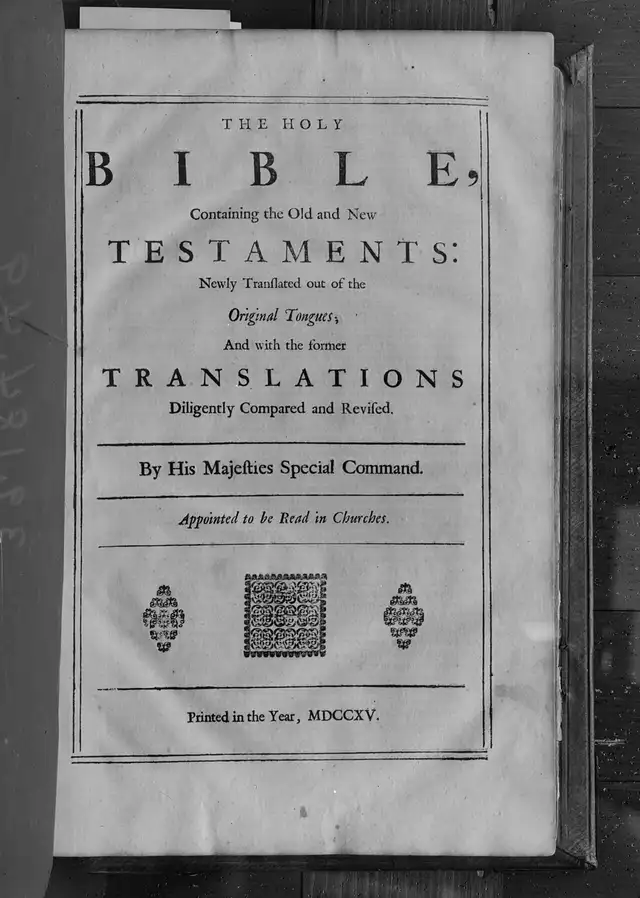
And if you want the plain word itself — the starting point for the whole ladder — remember that “honest” is the baseline, and everything above it is a choice about kind and courage. The words in old books have lasted because they were chosen carefully, not because they were loud. A 300-year-old title page still reads clearly today for the same reason a forthright sentence still lands: somebody meant every word of it. If you want to practice the same skill on a word about achievement rather than character, our guide to synonyms for very proud uses the same method on a very different kind of word.
Antonyms of Very Honest
Sometimes the fastest way to understand “honest” is to look at its opposite. Here are the antonyms, on the same kind of scale:
Dishonest (5/10) — Not honest; lies, cheats, or steals. Example: “The dishonest seller hid the car’s accident history from every buyer.”
Deceitful (6/10) — Deliberately misleading, hiding the truth on purpose. Example: “The deceitful email looked like it came from the bank, but it was a scam.”
Lying (6/10) — Saying things that are not true. Example: “His lying excuse fell apart the moment someone checked the dates.”
Crooked (7/10) — Dishonest in business or public life, corrupt. Example: “The crooked contractor took the deposit and never came back.”
Shady (7/10) — Suspicious, probably dishonest, not to be trusted. Example: “The shady deal in the parking lot made everyone walk the other way.”
Two-faced (8/10) — Says one thing to your face and another behind your back. Example: “The two-faced coworker praised her in the meeting and mocked her in the hallway.”
Untrustworthy (8/10) — Cannot be trusted, breaks promises. Example: “After the third missed deadline, the client called him untrustworthy and hired someone else.”
Misleading (9/10) — Gives the wrong impression, even if every word is technically true. Example: “The misleading ad showed a mansion and sold a shed — the photos were real, and the impression was a lie.”
Honest and dishonest are not enemies — they are a pair, and honest antonyms and synonyms belong in the same guide, because you cannot choose the right word without knowing what the wrong ones mean. The best writers use both sides of the scale, and they know that “honest” is sometimes the plain word and “forthright” is sometimes the brave one. An honest answer can be gentle. A dishonest answer can sound smooth. The word you choose should match the truth, not just the tone. And if you want the same treatment for the feeling that comes after an honest conversation — relief, lightness, a clear conscience — start with our guide to synonyms for very happy — the opposite skill, same method.
Frequently Asked Questions
What are 10 synonyms for “honest”?
Ten strong synonyms for “honest” are: truthful, sincere, frank, candid, direct, straightforward, upfront, forthright, upstanding, and veracious. For a very honest person, start with “candid” for everyday use, “forthright” for formal writing, and “veracious” when every fact has been checked. Each word on this list means something slightly different — truthful is about facts, sincere is about feelings, candid is about openness — so pick the one that fits the person, not just the first one on the list.
What is a deeper word for honesty?
“Veracity” is the deeper word for honesty — it means devotion to the truth, exactness, and a refusal to bend a fact. “Integrity” is the other answer, and it is the one most people actually want: another word for honesty and integrity is “probity” in formal writing, or simply “character” in plain speech. Integrity is bigger than honesty — it means the person’s whole life lines up with their words, not just one true statement. If you are writing about a person’s character rather than a single answer, “integrity” is the deeper word.
What is a more professional way to say to be honest?
“Frankly” is the most professional replacement — short, clean, and understood in every office. “In all candor” is the formal version, best for letters and essays. “To put it plainly” works when the truth is simple and the listener needs it straight. In an essay, the best professional move is to drop the phrase entirely and just state the true thing: “Frankly, the plan fails on cost alone” is stronger than “To be honest, the plan fails on cost alone” — because the second version makes the reader wonder whether the rest of the essay was honest.
What’s a fancy word for honest?
“Veracious” is the fanciest word for honest — it means devoted to the truth, exact and careful, and it works in essays, formal letters, and serious writing. “Forthright” is the safer fancy word, strong without sounding showy. “Ingenuous” is the gentlest one, for a person whose honesty comes from openness rather than courage. One fancy word per paragraph is the limit — more than that, and the reader hears the thesaurus instead of the thought.
Keep Three Words in Your Pocket
If you remember nothing else from this guide, remember three words. Truthful — your honest everyday word, for statements and answers that check out, the one you can use in any conversation. Candid — your strong word, for people who hold nothing back, the one that makes a reference letter or an interview answer sound serious. Veracious — your top-of-the-scale word, for people and statements that are exact down to the last detail, the one you save for the witness, the report, or the person whose every word has been tested.
The next time you catch yourself writing “very honest,” stop and ask what kind of honest you actually mean. A person who tells the truth? A person whose whole life backs it up? A person who says the hard thing out loud? The answer is sitting in this guide, and the right word is usually one sentence away. Use it, and your writing will do what “very honest” never could: it will make the reader believe it.
And if you want the same treatment for the other side of character — the words for being clever and clear-headed about the truth — start with our guide to synonyms for very smart — the mirror image of this one, same method — and our guide to synonyms for very happy, where the same ladder idea works on a feeling instead of a virtue.

SynonymsKey helps students and writers find the right word, with synonyms grouped by meaning, antonyms, and clear examples for everyday writing.