
Synonyms for Very Busy: Hectic, Swamped & 25+ More
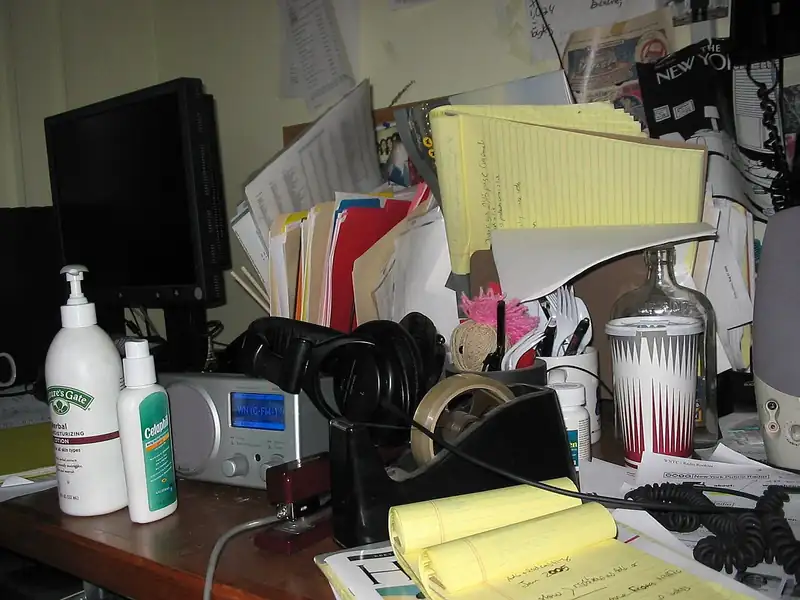
My calendar last Tuesday looked like a subway map. Seven meetings, three of them overlapping. A dentist appointment I had forgotten about until the reminder buzzed. Two deadlines, both due at five. A phone that kept lighting up with messages I did not have time to read, from people I did not have time to call back. I ate lunch standing up in the kitchen, one hand on a sandwich, the other scrolling through an email I should have answered on Monday. At nine o’clock that night, my sister texted: “How was your day?” I typed back the first thing that came to mind.
“Very busy.”
And then I stared at it. Two words. They told her nothing. Was I busy like a nurse on a double shift, or busy like a student the night before finals, or busy like a parent with three kids and a broken washing machine? Was I proud of it, or drowning in it? She could not tell. I could barely tell. “Very busy” is what you say when you are too busy to describe being busy — and that is exactly the problem with it.
This guide to synonyms for very busy gives you 25+ better words. Not a dumped list, but a real ladder: from the polite, everyday words (occupied, hectic) all the way up to the ones that sound like a weather emergency (swamped, slammed, snowed under). Every word comes with a strength score, a plain-English meaning, and an example sentence you can steal. By the end, you will know exactly which word fits the day in front of you — and you will never have to write “very busy” again unless you actually mean to.

Why “Very Busy” Is Weak Writing
“Very” is a lazy amplifier. It adds volume without adding information. Compare these three sentences:
- “I was very busy yesterday.”
- “I was swamped yesterday.”
- “I was snowed under yesterday.”
The first sentence tells you almost nothing. The second tells you the work came at you like a flood — too much, too fast, no dry ground. The third tells you something even stronger: you were buried. The work did not just arrive; it piled up over your head. Same day, same hours, three completely different pictures. That is what a good synonym does. It does not just say “a lot.” It says what KIND of a lot.
The same problem shows up everywhere. “Very busy” is vague in a way that makes writing feel flat and speaking feel repetitive. Use it three times in one essay and your reader stops believing any of it. But if one week is hectic, another is jam-packed, and a third leaves you snowed under, each week feels different — because it IS different. A Tuesday with four meetings is not busy the same way a December week with forty orders is busy. The words should know the difference.
There is also a practical reason to learn these words. In a work email, “very busy” reads as weak, as if you could not be bothered to find the right word. In a college essay, it reads as filler. In a story, it reads as a placeholder the writer forgot to replace. The right synonym lets you sound exact instead of loud. A friend who just survived a week like my Tuesday does not want to hear that the week was “very busy.” She wants to hear that it was “frantic” — a word that tells her you actually felt the size of it, not just that you noticed it was big.
And here is the thing most word lists never say: busy has a size, and it also has a shape inside it. A busy day can be full of good things — a wedding, a launch, a first day at a new job. A busy day can also be full of dread — a hospital waiting room, a deadline you are going to miss, a phone that will not stop ringing. If you use the same two words for both, you are hiding the most interesting part — whether the busyness felt good or felt like drowning. The ladder below is how you stop hiding it.
The Busy Scale: From Occupied to Snowed Under
Here is the whole guide in one table. Find where your day sits on the scale, take the word that matches, and you are done. The entries below the table give each word a meaning and an example sentence so you can use it with confidence.
| Word | What it really means | Best for | Strength |
|---|---|---|---|
| Occupied | Busy with something, politely engaged | Formal writing, polite excuses | 5/10 |
| Busy | Has a lot to do | Any situation, the safe default | 5/10 |
| Hectic | Busy in a rushed, chaotic way | Days, weeks, schedules | 6/10 |
| Full | Completely booked, no free time | Calendars, days, diaries | 6/10 |
| Jam-packed | Crammed full, no room left | Schedules, days, rooms | 7/10 |
| Swamped | Overwhelmed with work, like a flood | Work, emails, orders | 7/10 |
| Slammed | Hit hard by demand, no breathing room | Restaurants, shops, workdays | 8/10 |
| Overwhelmed | Too much to handle at once | Feelings, workloads | 8/10 |
| Frantic | Busy and panicked at the same time | Deadlines, emergencies | 8/10 |
| Frenetic | Wildly, restlessly busy, non-stop energy | Activity, pace, atmosphere | 9/10 |
| Snowed under | Buried in work, completely overwhelmed | The top of the scale | 10/10 |
Occupied (5/10) — Busy with something, in a polite, formal way. “Occupied” is the word you use when you want to say you are busy without sounding stressed about it. It is the word for a meeting invite, a polite decline, a receptionist’s calm voice. Example: “She is occupied with a client right now, but she can call you back at three.”
Busy (5/10) — Has a lot to do. This is the baseline everything else on this ladder is measured against. If you want the dictionary’s own wording, Merriam-Webster defines busy as engaged in action or full of activity — and that is exactly what it is: the simple, honest center of the scale. Example: “The store is always busy on Saturdays, so we go on Tuesday mornings instead.”
Hectic (6/10) — Busy in a rushed, chaotic way. “Hectic” is the word for a day that never settles down — one thing after another, no pause, no quiet corner. It is the most useful everyday upgrade from “very busy,” and the first word most people should reach for. Example: “It was a hectic morning — two meetings, a flat tire, and a presentation I had not finished.”
Full (6/10) — Completely booked, with no free time left. “Full” is the quietest word on this ladder, and sometimes the most honest one. A full calendar does not complain. It just shows the truth: every slot is taken. Example: “Her calendar is full until Thursday, so the earliest she can meet is Friday.”
Jam-packed (7/10) — Crammed full, with no room left at all. “Jam-packed” is a fun, visual word — it pictures a suitcase you had to sit on to close. Use it when the day was not just full but stuffed, when even lunch had to be squeezed in between two other things. Example: “We had a jam-packed weekend — a wedding, a birthday, and a housewarming, all in two days.”
Swamped (7/10) — Overwhelmed with work, like water rising around you. “Swamped” is the word for the moment the emails, the orders, or the requests arrive faster than you can clear them. It is one of the slang answers people actually use at work, and everyone understands it instantly. Example: “I am swamped this week — three reports due, and the boss just added a fourth.”
Slammed (8/10) — Hit hard by demand, with no breathing room. “Slammed” is the word restaurants and shops use on their busiest nights. It sounds like what it is: a door hitting you, again and again, because the customers keep coming. Example: “The cafe got slammed at lunchtime — a line out the door and every table full.”
Overwhelmed (8/10) — Too much to handle at once. “Overwhelmed” is the honest word for the feeling, not just the schedule. A day can be full without overwhelming you. An overwhelmed day is the one where the list is longer than the hours and you can feel it in your chest. Example: “She felt overwhelmed by the move, the new job, and the baby, all in the same month.”
Frantic (8/10) — Busy and panicked at the same time. “Frantic” is the word for a deadline that is about to be missed, a search for lost keys five minutes before the taxi arrives, a kitchen the night the guests are already at the door. It carries the panic inside it. Example: “The office was frantic on the last day of the quarter — phones ringing, printers jamming, nobody eating lunch.”
Frenetic (9/10) — Wildly, restlessly busy, with non-stop energy. “Frenetic” is the fancier cousin of “frantic” — same speed, less panic, more motion. A frenetic day is one where everything moves fast and nobody stops, like a market at closing time or a newsroom on election night. Example: “The frenetic pace of the holiday season left the whole team exhausted by New Year’s Day.”
Snowed under (10/10) — Buried in work, completely overwhelmed. This is the top of the ladder, the strongest phrase in this guide, and it should be saved for the days that genuinely buried you. A snowed-under day is not just busy. It is the day you looked at the pile, did the math, and knew you could not finish it all. Example: “After a week off sick, he came back snowed under — two hundred unread emails and a desk covered in sticky notes.”
Here is how to pick from the ladder: match the word to the size of the day and to how it felt. A Tuesday with four meetings is “hectic.” A week with three deadlines is “swamped.” A restaurant on a Friday night is “slammed.” And the week after a vacation, when the inbox has swallowed your desk whole, that is “snowed under.” If you are writing about a very busy person — a colleague, a friend, a parent — start here too: the same ladder works for people, because a person can be occupied, hectic, swamped, or snowed under just like a day can.
Busy for a Person, Busy for a Place, Busy for a Schedule
Ranking pages blur these senses together, and that is where most people pick the wrong word. “Busy” changes its meaning depending on what it describes. Here is the split, plainly.
A busy person. A person who has a lot to do. This is the sense most people mean when they say “very busy” about someone at work — another word for very busy at work is “swamped” if the work is piling up, “slammed” if the customers keep coming, or “hectic” if the whole day has been one rush after another. Example: “The nurse was swamped all night — twelve patients, two emergencies, and no break until dawn.”
A busy place. A restaurant, a street, an airport, a shop. A busy place is full of people, not full of tasks. The words here are different: packed, crowded, buzzing, jam-packed. A busy restaurant is a good thing — it means the food is worth coming for. Example: “The market was jam-packed on Saturday morning, shoulder to shoulder, with music playing from every stall.”
A busy schedule. A day, a week, a calendar. A busy schedule is full of appointments, and the words for it are “full,” “jam-packed,” and “hectic.” Notice the difference: a busy person does the work, a busy schedule holds the work. “My day is hectic” is about the feeling. “My calendar is full” is about the facts. Example: “His schedule is jam-packed until Friday — back-to-back meetings from nine to five.”
A busy life. Here is the sense the related searches keep asking about: synonyms for busy life. A busy life is not one day or one week. It is a whole pattern — work, family, errands, obligations, all running at once, month after month. The words for it are “hectic,” “full,” and “frenetic” — and the honest word for it is sometimes just “full.” A full life can be a good thing. A frenetic life usually is not. Example: “Between the new baby, the night classes, and the promotion, her life is hectic — but she would not trade any of it.”
The trap is simple: “a busy nurse” and “a busy restaurant” and “a busy Tuesday” do not use the same words. If you are writing about a person, say how the work feels — “she was swamped.” If you are writing about a place, say how full it is — “the street was packed.” And if you are writing about a schedule, say how booked it is — “the week is jam-packed.” Four senses, four word sets, one less mistake in your writing.
Busy vs Lazy: What Is the Difference?
These are the words people mix up least — and yet they get confused in one specific way. “Busy” and “lazy” are opposites, but a tired writer sometimes reaches for one when they mean the other, usually because both words show up in the same sentence about work. Here is the honest difference.
| Word | What it really means | Best for | Strength |
|---|---|---|---|
| Busy | Has a lot to do | Any situation, neutral | 5/10 |
| Occupied | Engaged with something, politely busy | Formal writing, polite excuses | 5/10 |
| Hectic | Rushed, chaotic, non-stop | Days, weeks, schedules | 6/10 |
| Idle | Not doing anything, at rest | People with nothing to do | 5/10 |
| Lazy | Avoids work, unwilling to act | People who dodge effort | 6/10 |
Think of it this way. A busy nurse has twelve patients and no break. An occupied manager is in a meeting and cannot take your call. A hectic week has four deadlines and a flat tire. An idle afternoon is the one after the work is done — the hammock, the porch, the long lunch. And a lazy afternoon is the one where the work is waiting and nobody is doing it.
The differences show up in real sentences:
- “The busy nurse finished her shift two hours late.” — a lot of work, honestly done.
- “The manager is occupied until three.” — polite, formal, no judgment.
- “It was a hectic week — I barely slept.” — rushed and chaotic, not a complaint about character.
- “The idle afternoon stretched out in front of him, warm and empty.” — rest, not avoidance.
- “He was too lazy to answer the email, so it sat there for a week.” — the work existed, and he dodged it.
And here is the rule this section exists to give: busy is about the workload, lazy is about the attitude. “Busy” says the list is long. “Lazy” says the person is avoiding the list. A busy person can be exhausted. A lazy person can be perfectly rested. Call a hardworking person lazy and you have insulted them. Call a lazy person busy and you have given them a compliment they did not earn. Pick the one that matches what you actually mean — and if you want the opposite skill, the full ladder for the other end of the scale, our guide to synonyms for very slow uses the same method on a very different kind of word.

Idioms for Very Busy
Sometimes a single word is not what you need — an idiom is. These are the phrases native speakers actually use when they talk about days that buried them, and they make writing sound natural instead of studied.
Swamped — Overwhelmed with work, like water rising around you. This is the most common idiom-adjacent word for a busy day, and the first one most people learn. Example: “I am swamped with emails — can we talk tomorrow instead?”
Snowed under — Buried in work, completely overwhelmed. The strongest idiom in this guide. Use it when the pile is genuinely taller than you are. Example: “She came back from vacation snowed under — a month of paperwork waiting on her desk.”
Run off your feet — So busy you never get to sit down. This one is literal for nurses, waiters, and parents of toddlers — and it works as a picture for anyone whose day never stopped moving. Example: “The waiter was run off his feet all night — twelve tables and no help.”
Up to your ears — Deep in work, with no room to take on more. A softer, funnier picture than “snowed under” — the work is up to your ears, but your head is still above it. Example: “I am up to my ears in reports this week, so I cannot take on another project.”
Slammed — Hit hard by demand, with no breathing room. The word restaurants use on Friday night, and the word anyone can use when the day hit like a door. Example: “We got slammed after the sale went live — a thousand orders in the first hour.”
Up to my eyeballs — The funniest one on this list, and a genuine slang answer to “very busy.” It means the work is literally up to your eyeballs — you cannot see past it. Example: “I am up to my eyeballs in laundry, dishes, and homework — ask me again on Sunday.”
Burning the candle at both ends — Working so hard, for so long, that you are wearing yourself out. This is the idiom for a busy life, not just a busy day — the weeks where you work late and wake up early and the candle keeps getting shorter. Example: “She has been burning the candle at both ends for a month — late nights, early mornings, and no day off.”
A good rule for idioms: one per paragraph, at most. They are seasoning, not the meal. A paragraph full of idioms sounds like a joke; a paragraph with one good idiom sounds like a person. And a note for the slang hunters: “swamped,” “slammed,” and “snowed under” are the slang answers to “very busy” — the ones people actually say out loud, at work, on the phone, in the kitchen, when someone asks how the day went. “Up to my eyeballs” is the funny one — the synonym slang answer that makes people laugh and still tells the truth.
Fancy Words: How to Sound Smart, Not Stiff
Sometimes you want a word that sounds impressive. These are the fancy words for busy — the ones that make an essay, a business letter, or a formal review sound polished. Use them sparingly. One per paragraph is the limit.
Assiduous (9/10) — Working hard, carefully, and constantly. Assiduous is the safest fancy word on this list — it sounds impressive in almost any setting, from an essay to a performance review, and it means the person never stops working carefully. Example: “Her assiduous study habits carried her through medical school without a single failed exam.”
Sedulous (9/10) — Diligent and persistent, showing steady care. Sedulous is the most impressive word here, and the rarest — it means working with quiet, constant attention, the way a gardener tends a plot every single day. Example: “His sedulous attention to the accounts caught an error nobody else had noticed in three years.”
Industrious (8/10) — Hard-working, always busy with useful work. Industrious is the friendly fancy word — it praises the person instead of just describing the schedule. An industrious student, an industrious team, an industrious town. Example: “The industrious crew finished the roof a day early, even in the rain.”
Frenetic (9/10) — Wildly, restlessly busy, non-stop energy. Frenetic is the fancy word for a pace that never slows down. It works for a day, a week, a market, a newsroom — anywhere the motion itself is the story. Example: “The frenetic energy of the opening night left the whole cast buzzing until midnight.”
Indefatigable (10/10) — Never tiring, never giving up, working without end. Indefatigable is the heaviest fancy word on this list — it means the person does not get tired, or at least never shows it. Save it for the people who genuinely deserve it. Example: “The indefatigable volunteer ran the food bank for twenty years and never missed a single Saturday.”
Unremitting (9/10) — Never stopping, never letting up. Unremitting is the word for pressure that does not pause — an unremitting schedule, unremitting demands, unremitting work. It sounds serious because it is serious. Example: “The unremitting demands of the harvest season left the farmers working from dawn until dark.”
So what is a fancy word for “busy”? Assiduous is the safest — it sounds impressive in almost any setting and means the person works hard and carefully. Sedulous is the most impressive, best saved for writing where you want the reader to notice the word itself. Indefatigable is the heaviest, best for the person who genuinely never stops. And if you want a word that is strong and simple rather than fancy, frenetic is the one — it carries the speed inside it. Pick the one that fits the sentence, and then stop — one fancy word per paragraph, or the reader will hear the thesaurus instead of the thought.
A small note for the formal-writing crowd: assiduous, sedulous, and industrious are the formal synonyms for busy — the ones that work in essays, IELTS writing, and business letters. “Swamped” and “slammed” are the casual ones, for conversation and texts. If you are writing for a teacher or a test, reach for the formal set. If you are writing a review or a text message, reach for the casual set. Same ladder, different room.

Synonyms for Very Busy for Students and School Writing
Students need these words more than anyone, because essays are where “very busy” shows up most — and where teachers notice it most. Here is how to use this list in school without sounding like you swallowed a thesaurus.
Words teachers love in essays: assiduous, industrious, hectic. These are formal, precise, and safe. “The assiduous work of the volunteers” sounds like a student who understands the topic. “The volunteers were very busy” sounds like a student who did not read the chapter.
Words that work in class discussion: swamped, jam-packed, hectic. These are natural in speech. “My week was jam-packed” sounds like a real person talking. “My week was frenetic” sounds like a performance.
Words to save for the right moment: frenetic, indefatigable, sedulous. These are strong words, but they are formal and heavy. One per essay is plenty. Two in one paragraph and the teacher will suspect you looked them up five minutes ago.
A quick exercise for students: take a paragraph you have already written, find every “very” in it, and delete the word “very” — then replace the adjective with a stronger one. “Very busy” becomes “swamped.” “Very happy” becomes “ecstatic.” “Very tired” becomes “exhausted” — our guide to synonyms for very tired shows the same ladder idea on tiredness. Your writing will get shorter and stronger at the same time, and your teacher will notice the difference before the end of the first page.
If you want the plain word itself — the starting point for the whole ladder — remember that “busy” is the baseline, and everything above it is a choice about size and feeling. And if you want to practice the same skill on a word about speed rather than workload, our guide to synonyms for very fast uses the same method on a very different kind of word.
Antonyms of Very Busy
Sometimes the fastest way to understand “busy” is to look at its opposite. Here are the antonyms, on the same kind of scale:
Idle (5/10) — Not doing anything, at rest. Example: “The idle afternoon stretched out in front of him, warm and empty.”
Free (6/10) — Not busy, with time available. Example: “Are you free on Thursday? I finally have an open afternoon.”
Unoccupied (6/10) — Not engaged with anything, available. Example: “The unoccupied table by the window was the only quiet spot in the cafe.”
Relaxed (6/10) — Calm, unhurried, at ease. Example: “After the exams, the whole class felt relaxed for the first time in weeks.”
Leisurely (7/10) — Slow, unhurried, done at your own pace. Example: “We took a leisurely walk along the river, stopping whenever we felt like it.”
Slow (7/10) — Not fast, not rushed, with time to spare. Example: “It was a slow Sunday — coffee, a book, and nowhere to be until dinner.”
Unrushed (8/10) — Not hurried, with plenty of time. Example: “The unrushed morning felt like a gift after a month of alarms and deadlines.”
At loose ends (9/10) — Having nothing to do, with time hanging empty. Example: “With the project finished and the next one not started, he was at loose ends for a whole week.”
Busy and slow are not enemies — they are a pair. The best writers use both, and they know that “busy” is sometimes the honest word and “slow” is sometimes the easy one. A busy week can be worth it. A slow Sunday can be a bargain. The word you choose should match the feeling, not just the number of appointments. If you want the opposite skill — the full ladder for slowness — our guide to synonyms for very slow uses the same method, the same idea: one precise word beats a vague phrase every time. And if you want the same treatment for the speed that comes with a busy week, start with our guide to synonyms for very fast — the opposite skill, same method.
Frequently Asked Questions
What is a word for extremely busy?
“Snowed under” is the strongest answer — it means buried in work, completely overwhelmed, the top of the scale. “Swamped” is the most common everyday answer, and “slammed” is the one people use when demand hits all at once. Pick by the size of the day: a hectic Tuesday is busy, a swamped week is worse, and a snowed-under month is the strongest word you have.
How do you say “very busy professionally”?
In a professional setting, say “occupied” for a polite, formal answer — “She is occupied with a client right now.” For an email, “hectic” works well: “It has been a hectic week.” And for a performance review or a formal letter, reach for “assiduous” or “industrious” — they praise the work instead of just describing the schedule. Avoid slang like “slammed” in a formal email; save it for conversation.
What can I say instead of “very busy”?
Start with the ladder: “hectic” for a rushed day, “swamped” for a week that buried you, “jam-packed” for a full calendar, “slammed” for a day when demand hit all at once. If you want one word that works almost everywhere, use “hectic” — it is the most useful everyday upgrade from “very busy,” and it fits a day, a week, a schedule, or a life.
What is a fancy word for “busy”?
“Assiduous” is the safest fancy word for busy — it sounds impressive in almost any setting and means working hard, carefully, and constantly. “Sedulous” is the most impressive, best saved for writing where you want the reader to notice the word itself. “Indefatigable” is the heaviest, for the person who genuinely never stops. One fancy word per paragraph is the limit.
Keep Three Words in Your Pocket
If you remember nothing else from this guide, remember three words. Hectic — your honest everyday word, for days that rush and never settle, the one you can use in any conversation. Swamped — your strong word, for weeks that buried you in work, the one that makes an email or a story sound serious. Snowed under — your top-of-the-scale word, for the days that genuinely piled up over your head, the one you save for the week that made the whole room go quiet.
The next time you catch yourself writing “very busy,” stop and ask what kind of busy you actually mean. A day that rushed past? A week that buried you? A schedule with no room left in it? The answer is sitting in this guide, and the right word is usually one sentence away. Use it, and your writing will do what “very busy” never could: it will make the reader feel the size of it.
And if you want the same treatment for the feeling that comes after a busy week, start with our guide to synonyms for very tired — the mirror image of this one, same method — and synonyms for very slow, where the same ladder idea works on a pace instead of a workload.

SynonymsKey helps students and writers find the right word, with synonyms grouped by meaning, antonyms, and clear examples for everyday writing.