
Synonyms for Very Shy: Timid, Diffident & 25+ More
It was the first day at a new school, and the new boy was standing at the edge of the playground with his back half-turned to the fence, watching the other kids the way you watch a game you do not know how to join. He was not crying. He was not hiding. He was just standing there, quiet, waiting for somebody to notice him first — because walking up to a group of strangers and saying “hi, I am new here” felt about as easy as walking up to a group of strangers and singing.
“That kid is very shy,” the teacher said.
She was right. She was also saying almost nothing. “Very shy” is what you say about the kid at the edge of the playground. It is what you say about the woman who has not said a word at a dinner party in three hours. It is what you say about the man who will not raise his hand in a meeting even though he knows the answer. One flat little phrase, stretched across all of it — and it fits none of it properly. The kid at the playground is not shy the same way the woman at the dinner party is shy. He is nervous about being new. She is quiet by nature. He might be timid. She might be reserved. The words should know the difference.
This guide to synonyms for very shy gives you 25+ better words. Not a dumped list, but a real ladder: from the gentle, everyday words (quiet, reserved, bashful) all the way up to the ones that mean a person can barely speak to a stranger at all (wallflower, shrinking violet). Every word comes with a strength score, a plain-English meaning, and an example sentence you can steal. By the end, you will know exactly which word fits the person in front of you — and you will never have to write “very shy” again unless you actually mean to.

Why “Very Shy” Is Weak Writing
“Very” is a lazy amplifier. It adds volume without adding information. Compare these two sentences:
- “The new student was very shy.”
- “The new student was diffident.”
The second sentence is shorter and stronger. “Diffident” does the work of “very” and then some — it tells you the student does not trust his own voice yet, that he holds back because he is not sure of himself. You can feel the hesitation in it. The first sentence tells you almost nothing; the second tells you what kind of shy you are dealing with.
The same problem shows up everywhere. “Very shy” is vague in a way that makes writing feel flat and speaking feel repetitive. Use it three times in one essay and your reader stops believing any of it. But if one classmate is bashful, another is reserved, and a third is a shrinking violet, each person feels different — because they are different. A kid who will not say hello is not shy the same way a woman who never speaks at parties is shy. The words should know the difference.
There is also a practical reason to learn these words. In a college essay, “very shy” reads as filler. In a story, it reads as a placeholder the writer forgot to replace. In a job application, it reads as a confession you did not mean to make. The right synonym lets you sound exact instead of loud. A friend who will not speak up in a meeting does not want to hear that she is “very shy.” She wants to hear that she is “reserved” — a word that tells her you actually see the size of it, not just that you noticed she was quiet.
And here is the thing most word lists never say: shyness has a size, and it also has a flavor inside it. A shy person might be quiet because they are afraid of being judged. They might be quiet because they are careful and like to watch first. They might be quiet because they are modest and do not like attention. If you use the same two words for all three, you are hiding the most interesting part — why the person is quiet, not just that they are. The ladder below is how you stop hiding it. If you want the dictionary’s own starting point, Merriam-Webster defines shy as being easily frightened or hesitant — and that is exactly what it is: the simple, honest center of the scale.
The Shy Scale: From Quiet to Shrinking Violet
Here is the whole guide in one table. Find where your person sits on the scale, take the word that matches, and you are done. The entries below the table give each word a meaning and an example sentence so you can use it with confidence.
| Word | What it really means | Best for | Strength |
|---|---|---|---|
| Quiet | Says little; not loud | Any situation, the safe default | 3/10 |
| Reserved | Holds back on purpose; private | Adults, work, formal writing | 4/10 |
| Bashful | Shy in a sweet, gentle way | Children, first meetings, kind writing | 5/10 |
| Timid | Afraid to act or speak | Nervous people, animals, new situations | 5/10 |
| Shy | Uneasy around people; hesitant | Any situation, the baseline | 5/10 |
| Withdrawn | Pulled away from people | Serious writing, concern | 6/10 |
| Diffident | Lacks confidence in yourself | Formal writing, essays, interviews | 7/10 |
| Reticent | Unwilling to talk about yourself | Formal writing, quiet professionals | 7/10 |
| Retiring | Prefers to stay out of the spotlight | Older people, modest characters | 7/10 |
| Wallflower | Stays at the edge of the party | Parties, dances, social scenes | 8/10 |
| Shrinking violet | Extremely shy; avoids all attention | The strongest, most dramatic word | 10/10 |
Quiet (3/10) — Says little; not loud. This is the mildest word on this ladder, and the kindest. A quiet person might not be shy at all — they might just like silence, or be thinking, or be tired. “Quiet” says nothing about fear. It just says the volume is low. Example: “The quiet girl in the back row turned out to be the best writer in the class.”
Reserved (4/10) — Holds back on purpose; private. “Reserved” is the grown-up word for shy. It says the person chooses to keep their thoughts to themselves, which makes it sound like a decision, not a problem. It is the word for adults, for work, and for anyone you want to describe with respect. Example: “Her new boss was reserved at first, but after a month he knew everyone’s name.”
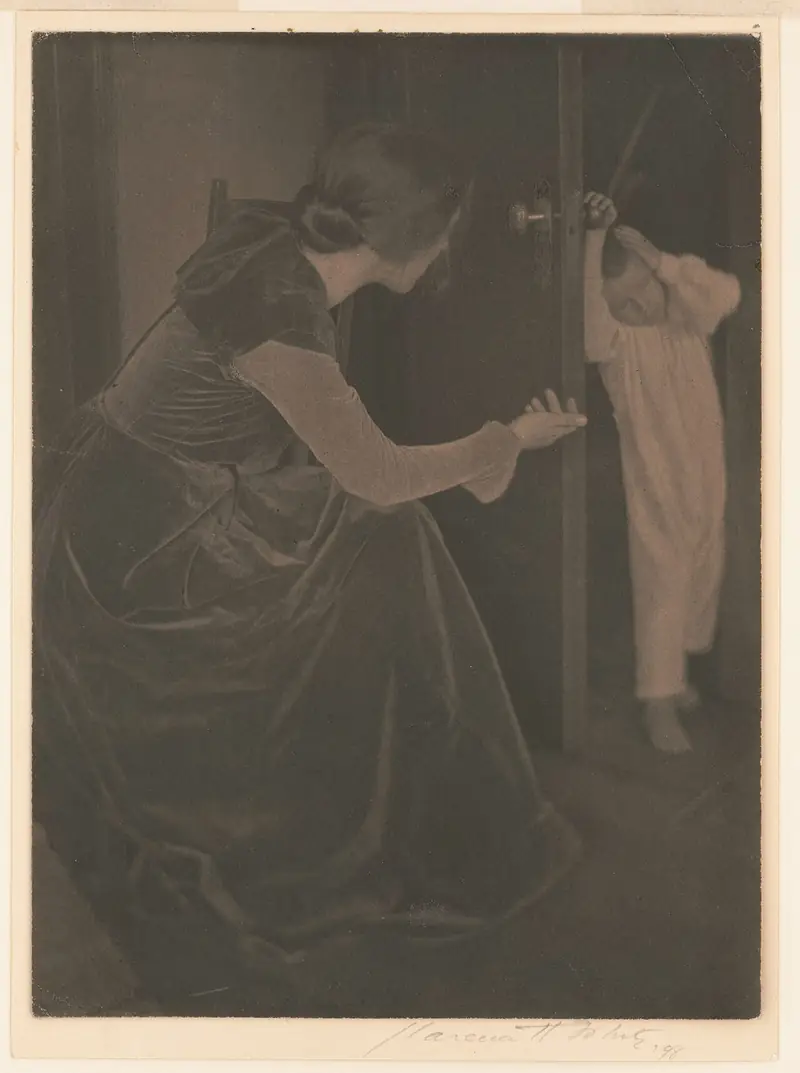
Bashful (5/10) — Shy in a sweet, gentle way. “Bashful” is the warmest word on this ladder. It is the word for a child hiding behind a door, or a teenager blushing when someone says hello. It never sounds like a criticism. If you are looking for a shy synonym with a positive spin, this is the one — bashful turns shyness into something charming. Example: “The bashful boy smiled and hid behind his mother when the teacher said his name.”
Timid (5/10) — Afraid to act or speak. “Timid” is about fear, not just quietness. A timid person wants to speak but is afraid to. It is the word for the kid who knows the answer and will not raise his hand, and for the dog that flinches when a stranger reaches out. Example: “The timid student knew the answer but waited for someone else to say it first.”
Shy (5/10) — Uneasy around people; hesitant. This is the baseline everything else on this ladder is measured against. If you want the dictionary’s own wording, shy means easily frightened or hesitant around people — and that is exactly what it is: the simple, honest center of the scale. Example: “She was shy around strangers, but her friends knew she could talk for hours.”
Withdrawn (6/10) — Pulled away from people. “Withdrawn” is a heavier word, and it carries a hint of worry. A withdrawn person is not just quiet — they have pulled back, and people around them notice. Use it carefully, and never as a joke. Example: “After the move, he grew withdrawn, eating lunch alone and answering questions in one word.”
Diffident (7/10) — Lacks confidence in yourself. “Diffident” is the formal, impressive word for shy. It means you do not trust your own opinions enough to say them out loud. It is the word for essays, job interviews, and any sentence where you want to sound serious rather than casual. Example: “The diffident young lawyer spoke so softly in her first hearing that the judge asked her to repeat herself.”
Reticent (7/10) — Unwilling to talk about yourself. “Reticent” is about talking, specifically. A reticent person might be fine in a crowd — they just will not tell you about their own life. It is the word for the colleague who never mentions their weekend, or the grandfather who never talks about the war. Example: “He was reticent about his past, and his children learned his story in pieces, years later.”
Retiring (7/10) — Prefers to stay out of the spotlight. “Retiring” is the gentle, old-fashioned word for a person who does not want attention. A retiring teacher, a retiring neighbor — someone who does good work and never asks for applause. Example: “The retiring librarian ran the whole branch for thirty years and never once gave a speech.”
Wallflower (8/10) — Stays at the edge of the party. A wallflower is not just shy — they are the person standing against the wall at the dance while everyone else is in the middle of the room. It is a noun, not an adjective: “she was a wallflower,” not “she was wallflower.” Example: “At the school dance, he was a wallflower for the first hour, watching from the wall with a cup of punch.”
Shrinking violet (10/10) — Extremely shy; avoids all attention. This is the top of the ladder, the strongest word in this guide, and it should be saved for people who genuinely cannot bear to be noticed. A shrinking violet is the person who would rather miss the party than walk into the room. Example: “She was a shrinking violet in college, skipping every party and eating lunch in the library.”
Here is how to pick from the ladder: match the word to the size of the shyness and to your judgment of it. A kid who smiles and hides behind his mother is “bashful.” A colleague who never talks about herself is “reticent.” A woman who has not spoken at a party in three hours is “a wallflower.” And if the shyness is so strong it keeps a person home, the word is “shrinking violet” — which brings us to the split that matters most: the different kinds of shy.
Shy for a Person, Shy for a Feeling, Shy for a Thing
Ranking pages blur these senses together, and that is where most people pick the wrong word. “Shy” changes its meaning depending on what it describes. Here is the split, plainly.
A shy person. A shy boy, a shy girl, a shy coworker. This is the sense most people mean when they say “very shy.” The words are the ones from the ladder: bashful, timid, reserved, diffident, retiring. When someone asks for synonyms for a very shy person, this is the answer — a person who is uneasy around people and holds back. Example: “The shy boy at the new school made one friend in the first week, and that was enough.”
Another word for a shy girl, another word for a shy boy. Here is the honest answer: the words are the same for both. A shy girl can be bashful, timid, reserved, or demure. A shy boy can be bashful, timid, reserved, or quiet. There is no boys’ list and girls’ list. The one exception is “demure,” which is usually used for girls and women — it means modest and quiet in a graceful way — and sounds strange applied to a boy. And “wallflower” is used for both, though it started as a word for girls at dances. If you are writing about a shy girl, “bashful” and “demure” are the warmest choices. If you are writing about a shy boy, “bashful” and “reserved” are the safest. That is the shy synonym positive answer in one line: bashful for a child, demure for a young woman, reserved for an adult. The rest of the ladder works for everyone.
Shy as caution or wariness. “Shy” has a second job, and it is one of the most useful words in this guide. A shy animal is one that startles easily and keeps its distance. A shy investor is one who will not take risks. “Shy of” something means just short of it — “he is shy of six feet tall,” “the fund is shy of its goal.” In this sense, “shy” is not about people at all. It is about holding back, about being careful. Example: “The deer was shy, keeping to the trees and freezing at the sound of a twig.”
Shy as modesty. Here is the sense that makes “shy” a compliment. A shy smile is a small, gentle smile. A demure manner is modest and unassuming, the kind of quiet that people admire. In this sense, shyness is not a problem to fix. It is a quality — the opposite of showing off. Example: “She gave a shy smile when the teacher praised her essay, then looked down at her desk.”
The trap is simple: “a shy girl” and “a shy smile” and “shy of the truth” do not use the same words. If you are writing about a person, say so — “the boy was bashful.” If you are writing about caution, say that — “the deer was wary.” And if you are writing about modesty, say that too — “her manner was demure.” Three senses, three word sets, one less mistake in your writing.
Shy vs Timid vs Scared: What Is the Difference?
These are the words people mix up most, so here is the honest difference — and it is the most important split in this whole guide.
| Word | What it really means | Best for | Strength |
|---|---|---|---|
| Shy | Uneasy around people; hesitant | People, social situations | 5/10 |
| Timid | Afraid to act or speak up | Nervous people, new situations | 6/10 |
| Scared | Afraid right now, of something specific | Danger, sudden fear | 7/10 |
| Fearful | Full of fear, often over time | Serious writing, lasting fear | 7/10 |
| Bashful | Shy in a sweet, gentle way | Children, kind writing | 5/10 |
Think of it this way. A shy person is uneasy around people — the problem is the attention, not the danger. A timid person is afraid to act — the problem is the risk of speaking up, of being wrong, of being noticed. A scared person is afraid right now, of something specific — a loud noise, a dog, a dark hallway. A fearful person carries the fear with them, over time. And a bashful person is shy in the gentle way, the way that makes people smile rather than worry.
The differences show up in real sentences:
- “The shy girl hid behind her mother when the guests arrived.” — the problem is the people, not the danger.
- “The timid student knew the answer but would not raise his hand.” — the problem is the act of speaking, the risk of being wrong.
- “The scared child ran inside when the thunder started.” — the problem is right now, and it is specific.
- “The fearful boy had been afraid of the dark for years.” — the problem has lasted, and it is deep.
- “The bashful teenager blushed when the teacher praised her drawing.” — the problem is gentle, and a little bit sweet.
And here is the rule this section exists to give: shy is about people, timid is about acting, scared is about danger. A shy person is not necessarily scared — they might feel perfectly safe and still not want to talk. A scared person is not necessarily shy — they might be the loudest person in the room until the thunder starts. If you are writing about a person who is afraid of people and attention, the word is “shy.” If you are writing about a person who is afraid of a real danger, the word is “scared” — and if you want the full ladder for that feeling, our guide to synonyms for very scared uses the same method on fear itself. Pick the word that matches what the person is actually afraid of.
Idioms for Very Shy
Sometimes a single word is not what you need — an idiom is. These are the phrases native speakers actually use when they talk about shy people, and they make writing sound natural instead of studied.
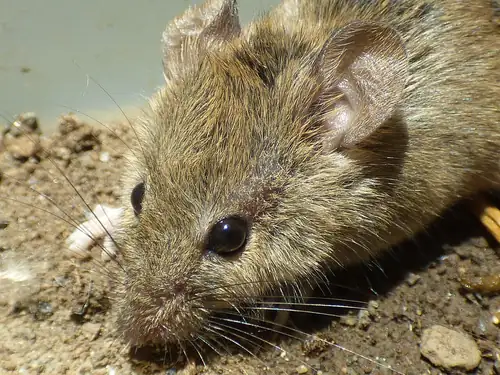
Shy as a mouse — Extremely shy and quiet, like a mouse that freezes at the smallest sound. This is the most common idiom for shyness, and the first one most people learn. Example: “She was shy as a mouse on her first day, barely whispering when the teacher asked her name.”
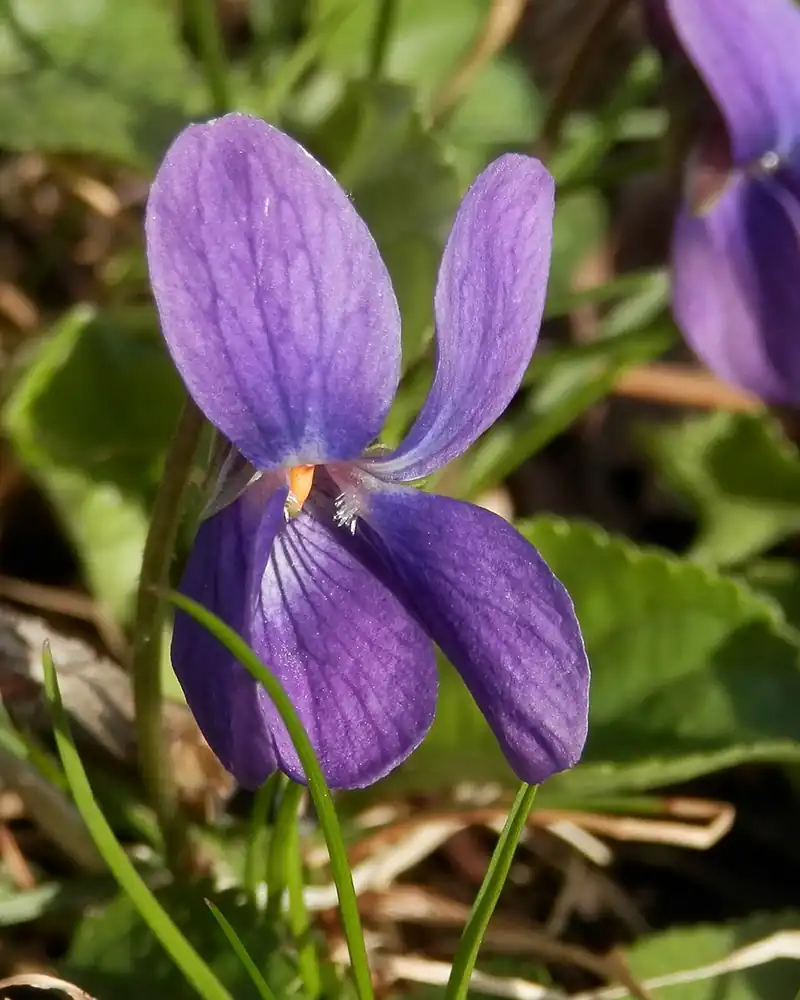
Shrinking violet — A person who is extremely shy and avoids all attention. This one is both a word and an idiom — the violet is a small flower that grows low to the ground and hides under its leaves, and the phrase pictures a person doing the same thing. Example: “He was a shrinking violet at the office party, standing by the door with his coat still on.”
Wallflower — A person who stays at the edge of a party or dance, watching instead of joining in. The wallflower stands against the wall, the way a flower grows against a wall — present, but not in the middle of things. Example: “At the wedding, she was a wallflower for the first hour, until her cousin dragged her onto the dance floor.”
Keep to yourself — To stay quiet and private, not sharing much with others. This is the slang answer to “very shy” that people actually say out loud — “he keeps to himself,” “she keeps to herself.” Example: “The new neighbor keeps to himself, but he always waves when he sees you.”
Hide in your shell — To pull back into yourself when you feel shy or scared, the way a turtle pulls into its shell. Example: “When the room went quiet, he hid in his shell and stared at his shoes.”
Clam up — To suddenly stop talking because you feel shy or nervous. This is the slang answer, short and blunt — the one people use in conversation, not in essays. Example: “She was talking fine until the teacher walked over, and then she clammed up.”
A face only a mother could love — A joke about someone who is not good-looking. Use this one with care. It is humor, and it can be cruel if you aim it at a real person. It belongs in a list of idioms because people do say it — but say it about a character in a story, never about a classmate.
A good rule for idioms: one per paragraph, at most. They are seasoning, not the meal. A paragraph full of idioms sounds like a joke; a paragraph with one good idiom sounds like a person. And a note for the slang hunters: the shy synonym slang list is short — “clam up,” “keep to yourself,” and “wallflower” are the slang answers to “very shy” — the ones people actually say out loud, at school, at work, at the dinner table, when someone will not talk.
Fancy Words: How to Sound Smart, Not Stiff
Sometimes you want a word that sounds impressive. These are the fancy words for shy — the ones that make an essay, a business letter, or a formal review sound polished. Use them sparingly. One per paragraph is the limit.
Diffident (7/10) — Lacks confidence in yourself. Diffident is the safest fancy word on this list — it sounds impressive in almost any setting, from an essay to a job interview, and it is the most formal way to say a person holds back because they do not trust their own voice. Example: “The diffident young writer sent her story to the magazine, then spent a week convinced they would reject it.”
Reticent (7/10) — Unwilling to talk about yourself. Reticent is the fancy word for a person who will not open up. It is the word for the quiet professional, the private neighbor, the grandfather who never tells his own story. Example: “He was reticent about his success, changing the subject whenever anyone mentioned the award.”
Demure (7/10) — Modest and quiet in a graceful way. Demure is the beautiful fancy word on this list — it carries grace inside it. A demure smile, a demure manner. It is usually used for girls and women, and it is almost always a compliment. Example: “She gave a demure smile and thanked the audience, then sat down before anyone could ask for more.”
Timorous (8/10) — Fearful and hesitant, easily frightened. Timorous is the heavier, more literary word for timid. It sounds like something from a novel, and it belongs in essays and stories, not in text messages. Example: “The timorous deer stepped out of the trees, froze at the sound of a branch, and vanished back into the woods.”
Self-effacing (8/10) — Modest, not drawing attention to yourself. Self-effacing is the fancy word for a person who deliberately stays out of the spotlight — not because they are afraid, but because they do not think they deserve it. It is a compliment, and a serious one. Example: “The self-effacing professor never mentioned that she had written the textbook the whole class was using.”
Pusillanimous (9/10) — Lacking courage; faint-hearted. Pusillanimous is the most aggressive fancy word on this list — and it is an insult, not a compliment. It means a person is too afraid to do the right thing. Save it for formal writing about a character in a book, and never use it about a real person you like. Example: “The novel’s pusillanimous mayor refused to speak against the plan, even though he knew it was wrong.”
So what is a fancy word for shy? Diffident is the safest — it sounds impressive in almost any setting and means the person holds back from a lack of confidence. Reticent is the best for a person who will not talk about themselves. Demure is the beautiful one, for a modest and graceful quiet. And if you want a word that is strong and literary, timorous is the one — it carries the fear inside it. Pick the one that fits the sentence, and then stop — one fancy word per paragraph, or the reader will hear the thesaurus instead of the thought.
A small note for the formal-writing crowd: diffident, reticent, and self-effacing are the formal synonyms for shy — the ones that work in essays, IELTS writing, and job applications. “Bashful” and “quiet” are the casual ones, for conversation and stories. If you are writing for a teacher or a test, reach for the formal set. If you are writing a story or a text message, reach for the casual set. Same ladder, different room.
Words to Use Carefully
Some words on this list are powerful but risky. Use them wrong and they backfire — here is how to avoid that.
Timid — Means afraid to act, but it gets used as a casual word for “quiet.” “A timid student” is not just a quiet student — it is a student who is afraid to speak. If the student is simply quiet by nature, the word is “reserved,” not “timid.” Save “timid” for the times fear is actually there.
Pusillanimous — Useful in formal writing, but it is an insult. A “pusillanimous leader” is not just a shy leader — it is a leader who is too afraid to do the right thing. If you mean “quiet,” say “reserved” instead. If you mean “cowardly,” say “pusillanimous” and be ready to explain why.
Demure — Fine for girls and women, odd for boys and men. “Demure” for a shy girl is a compliment. “Demure” for a shy boy will sound strange to most readers, because the word carries a graceful, feminine history. Use it only when that is the effect you want.
Wallflower — A noun, not an adjective. “She is a wallflower” is correct. “She is wallflower” is not a sentence. And a wallflower is a person at a party or a dance — it does not work for a shy person at work or at school. Save it for the social scene it belongs to.
Withdrawn — Can imply something is wrong. “Withdrawn” is a heavier word than “quiet,” and it can sound like a warning — the person has pulled away, and people are worried. If you mean “quiet by nature,” say “reserved” instead. If you mean “pulled away and people are concerned,” say “withdrawn” and mean it.
Shy vs sad — A shy person is not necessarily a sad person. This is the mistake people make most often: they see a quiet kid eating lunch alone and assume he is unhappy. He might be perfectly happy, just quiet. Shyness is about people and attention. Sadness is about feeling low. They are different feelings, and they need different words — if you want the full ladder for the other feeling, our guide to synonyms for very sad uses the same method on sadness itself.
The pattern is simple: the stronger the word, the more carefully you should place it. A plain word used exactly right beats a grand word used carelessly, every single time. That is the whole lesson of this guide, really — precision over volume.
Synonyms for Very Shy for Students and School Writing
Students need these words more than anyone, because essays are where “very shy” shows up most — and where teachers notice it most. Here is how to use this list in school without sounding like you swallowed a thesaurus.
Words teachers love in essays: diffident, reticent, reserved. These are formal, precise, and safe. “The diffident student” sounds like a student who understands the topic. “The student was very shy” sounds like a student who did not read the chapter.
Words that work in class discussion: timid, bashful, quiet. These are natural in speech. “The new kid was bashful” sounds like a real person talking. “The new kid was pusillanimous” sounds like a performance.
Words to save for the right moment: timorous, self-effacing, pusillanimous. These are strong words, but they are formal and heavy. One per essay is plenty. Two in one paragraph and the teacher will suspect you looked them up five minutes ago.
A quick exercise for students: take a paragraph you have already written, find every “very” in it, and delete the word “very” — then replace the adjective with a stronger one. “Very shy” becomes “diffident.” “Very happy” becomes “ecstatic.” “Very tired” becomes “exhausted” — our guide to synonyms for very tired shows the same ladder idea on tiredness. Your writing will get shorter and stronger at the same time, and your teacher will notice the difference before the end of the first page.
If you want the plain word itself — the starting point for the whole ladder — remember that “shy” is the baseline, and everything above it is a choice about size and flavor. And if you want to practice the same skill on a word about feelings rather than people, our guide to synonyms for very sad uses the same method on a very different kind of word.

Antonyms of Very Shy
Sometimes the fastest way to understand “shy” is to look at its opposite — and this section gives you the shy synonyms and antonyms together, so you can see both ends of the scale at once. Here are the shy antonyms, on the same kind of scale:
Outgoing (5/10) — Friendly and comfortable with people. Example: “The outgoing new student had made five friends by the end of the first day.”
Confident (6/10) — Sure of yourself; not afraid to speak. Example: “She was confident enough to raise her hand even when she was not sure of the answer.”
Sociable (6/10) — Enjoys being with people. Example: “The sociable old man knew everyone on the street by name.”
Bold (7/10) — Brave; willing to take risks and speak up. Example: “The bold teenager asked the question nobody else wanted to ask.”
Gregarious (8/10) — Loves company; thrives in a crowd. Example: “The gregarious host moved from table to table, making sure everyone was talking.”
Uninhibited (8/10) — Free and open; not held back by shyness. Example: “The uninhibited singer danced on stage like nobody was watching.”
Brash (8/10) — Bold in a rude way; too loud, too forward. Example: “His brash comments made the whole room go quiet for the wrong reason.”
Fearless (9/10) — Without fear; not afraid of anything. Example: “The fearless little girl walked straight up to the new teacher and introduced herself.”
Shy and outgoing are not enemies — they are a pair. The best writers use both, and they know that “shy” is sometimes the honest word and “outgoing” is sometimes the easy one. A shy kid can be the best listener in the room. An outgoing kid can be the one who never stops to listen. The word you choose should match the person, not just the volume. And the opposite of shy is not “loud” — it is “comfortable.” If you want the same treatment for the feeling that comes after a good conversation, start with our guide to synonyms for very happy — the confident, outgoing person is usually the happy one in the room, and the same ladder idea works on a feeling instead of a person.
Frequently Asked Questions
What to say instead of “very shy”?
“Timid” is the most common everyday answer — it means afraid to act or speak, and it works in almost any sentence. “Diffident” is the formal version, best for essays and serious writing. “Shrinking violet” is the strongest answer, for a person who avoids all attention. Pick by the size of the shyness and how formal the sentence is: a kid hiding behind his mother is bashful, a colleague who never talks about herself is reticent, and a woman who has not spoken at a party in three hours is a wallflower.
How do you say “shy” in a professional way?
“Reserved” is the safest professional word for shy — it sounds like a choice, not a problem, and it is the word managers and teachers actually use. “Reticent” is the formal version, best for written reports and job applications. “Self-effacing” is the most impressive one, for a person who deliberately stays out of the spotlight. In a work email or a performance review, say “she is reserved in meetings” — never “she is very shy,” which sounds like a diagnosis instead of a description.
What is it called when someone is extremely shy?
“A shrinking violet” is what you call someone who is extremely shy — a person who avoids all attention and would rather miss the party than walk into the room. “Wallflower” is the close second, for the person who stands at the edge of the party watching instead of joining in. The difference is the setting: a shrinking violet is shy everywhere, while a wallflower is shy at the party. Both are stronger than “very shy,” and both tell the reader exactly how strong the shyness is.
What is another word for “painfully shy”?
“Timorous” is the closest match — it means fearful and hesitant, easily frightened, and it carries the pain inside it. “Painfully self-conscious” is the plain-English version, for a person whose shyness itself hurts — they are not just quiet, they are uncomfortable in their own skin. And if you want the idiom, say they “clam up” — the phrase everyone actually uses when a shy person suddenly stops talking. The key point is that “painfully shy” is not just a stronger “shy” — it is shy plus suffering, and the word you pick should carry both parts.
Keep Three Words in Your Pocket
If you remember nothing else from this guide, remember three words. Timid — your honest everyday word, for people who are afraid to speak up, the one you can use in any conversation. Diffident — your strong word, for people who hold back from a lack of confidence, the one that makes an essay or a job application sound serious. Shrinking violet — your top-of-the-scale word, for people who avoid all attention, the one you save for the person who would rather stay home than walk into the room.
The next time you catch yourself writing “very shy,” stop and ask what kind of shy you actually mean. A bit quiet? Afraid to speak? Careful and watchful? Modest and graceful? The answer is sitting in this guide, and the right word is usually one sentence away. Use it, and your writing will do what “very shy” never could: it will make the reader see the person, not just the label.
And if you want the same treatment for the fear side of shyness — the part that is really about being afraid, not just being quiet — start with our guide to synonyms for very scared, where the same ladder idea works on fear itself.

SynonymsKey helps students and writers find the right word, with synonyms grouped by meaning, antonyms, and clear examples for everyday writing.