
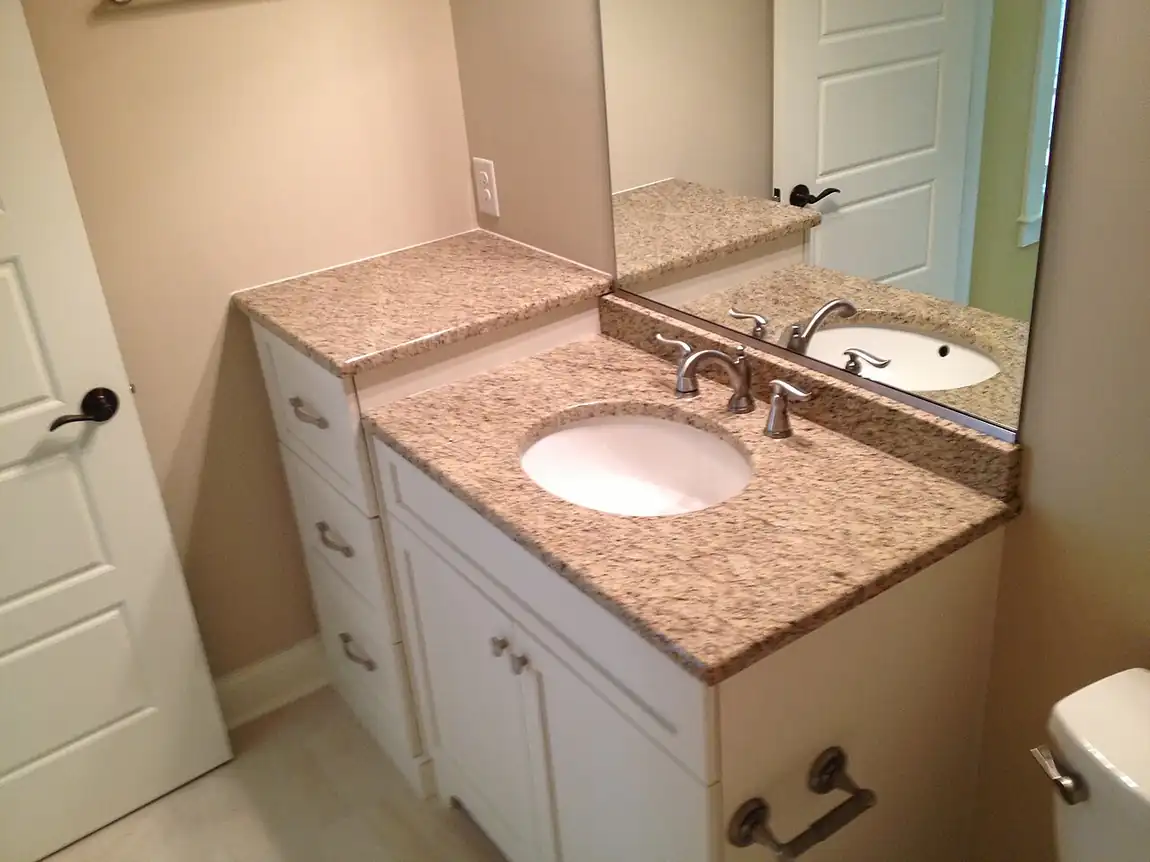
A marble counter, a silk scarf, a glass of good whiskey, a flight that lands without a single jolt — English speakers call all of them “very smooth,” and the phrase tells you almost nothing. Smooth is one of those words that does four different jobs at once: it describes surfaces, food and drink, movement, and even voices. Each job has its own set of stronger words, and picking the right one makes your writing instantly more exact.
Before the ladder, learn the one distinction this whole article is built on: smooth is not the same as soft. Smooth means a surface has no bumps, no roughness, nothing to catch on. Soft means something gives when you press it. A sheet of glass is smooth but hard — press it and it does not move. A worn-out sponge is soft but not smooth — squeeze it and it yields, yet its surface is full of holes. Writers mix these two families up constantly, and thesaurus lists make it worse by dumping them together. Here they stay separate. (If soft is the word family you actually need, our guide to synonyms for very soft covers that ladder on its own.)
This guide gives you 25+ synonyms for very smooth, organized by job and ranked by finish. Scan the quick answer box, find your level on the surface ladder, and then read the word-by-word entries for the exact shade you need.

Quick Answer: The Best Synonyms for Very Smooth
If you only need one replacement right now, start here:
- Polished — the all-purpose upgrade for surfaces that have been worked to a shine: “She ran a hand over the polished oak table.”
- Silky — the finest finish of all, smooth the way silk feels: “The lotion left her skin silky.”
- Seamless — the process word: no gaps, no interruptions, nothing catching: “The handover was seamless.”
- Sleek — smooth and streamlined, with a modern, designed look: “The sleek phone slipped easily into his pocket.”
- Even — the plain, honest word for a surface with no bumps: “Spread the frosting in an even layer.”
For the full picture — which level each word sits on, when it sounds wrong, and when “smoother” actually becomes a complaint — use the ladder below.
The Very Smooth Ladder at a Glance
Think of smoothness as a scale of finish, from Level 1 to Level 3 — plus one warning zone past the top. Level 1 means “no bumps.” Level 2 means someone or something worked the surface smooth. Level 3 is the finest finish English has words for. And past Level 3, the ladder turns: a surface can be too smooth, and then the words become complaints.
| Word | Strength | Best for | Quick example |
|---|---|---|---|
| Even | 1 | Surfaces, layers, coatings | An even coat of paint. |
| Level | 1 | Ground, floors, shelves | A level floor. |
| Flat | 1 | Land, screens, tires, paper | The flat desert stretched for miles. |
| Uniform | 1 | Texture, color, results | A uniform finish with no streaks. |
| Polished | 2 | Wood, stone, metal, shoes | Polished marble gleamed. |
| Buffed | 2 | Floors, cars, nails, leather | A freshly buffed hardwood floor. |
| Burnished | 2–3 | Metal, leather, formal writing | Burnished copper caught the light. |
| Silky | 3 | Skin, hair, fabric, sauces | Silky hair after the treatment. |
| Satiny | 3 | Fabric, paper, skin | A satiny ribbon. |
| Velvety | 3 | Skin, fabric, voices, food | A velvety chocolate mousse. |
| Glassy | 3 | Water, eyes, hard surfaces | The glassy lake at dawn. |
| Glossy | 3 | Photos, paint, magazines, hair | A glossy magazine cover. |
| Sleek | 3 | Cars, phones, hair, animals | A sleek black sports car. |
| Mirror-like | 3 | Water, polished metal, ice | A mirror-like finish on the chrome. |
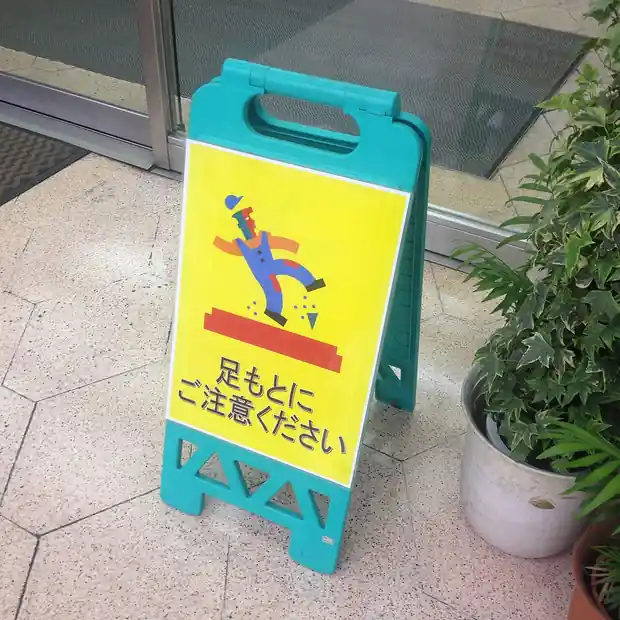
| Slippery | Too smooth | Floors, roads, fish, soap | A slippery wet floor. |
| Slick | Too smooth | Ice, oil, roads, hair gel | Slick ice on the sidewalk. |
| Greasy | Too smooth | Hands, food, tools, skin | Greasy fingers slipped on the wrench. |
| Oily | Too smooth | Skin, water, machinery | An oily film on the puddle. |
Keep the shape of this scale in mind as you read: the higher you climb, the more the word says about finish, not just flatness. And notice where the praise stops — nobody has ever been glad that a floor was slippery.
Level 1: No Bumps — Even, Level, Flat, Uniform
These four words make the smallest claim on the ladder: nothing sticks up, nothing dips down. They are plain, workhorse words, and they are the right choice when you do not want to praise a surface, just describe it accurately.
Even — free of bumps and irregularities; the same height or thickness all the way across. Even is the word of painters, bakers, and carpenters. Example: He spread an even layer of mortar before setting the tile. Register note: even also describes fairness and numbers (an even split, an even number) — in a surface sentence, context keeps it clear.
Level — perfectly horizontal, not tilted. Level is about angle, not texture: a shelf, a floor, a picture frame. Example: The builders checked that the counter was level before bolting it down. A level surface can still be rough — gravel spread flat is level but bumpy — which is why level sits at the bottom of the ladder.
Flat — having no curves, bumps, or raised parts; completely extended in one plane. Example: She ironed the poster flat and taped it to the wall. Flat is the most neutral word here and the most borrowed: flat land, a flat screen, a flat tire. It promises absence of bumps, nothing more.
Uniform — the same all over, with no variation in texture, color, or thickness. Example: The factory rejects any panel whose finish is not perfectly uniform. Uniform is the formal, quality-control member of this group: use it when consistency itself is the point.

Level 2: Worked Smooth — Polished, Buffed, Burnished
Level 2 words add a story: the surface did not start smooth — someone made it that way. That hint of effort and craft is exactly what makes them stronger than “very smooth.”
Polished — rubbed until it shines; the general-purpose word for a high-quality smooth finish on wood, stone, metal, or leather. Example: The polished granite counter felt cool and flawless under her palm. Polished also describes refined people and performances (a polished speaker) — a compliment there, because it keeps the same idea: rough edges worked away.
Buffed — rubbed with a soft cloth or machine pad to bring up a shine; the everyday, hands-on cousin of polished. Example: He buffed the car’s hood until it reflected the streetlights. Buffed belongs to floors, cars, shoes, nails, and gym slang for muscles — concrete, physical, and slightly informal.
Burnished — polished by rubbing until it glows, usually metal or leather; the fancy word of this level, at home in descriptive and formal writing. Example: The burnished brass handles had darkened everywhere except where hands touched them smooth. If polished is the safe choice, burnished is the one that makes a reader see the light on the surface.
Level 3: The Finest Finish — Silky, Satiny, Velvety, Glassy, Glossy, Sleek, Mirror-Like
Level 3 words stop meaning merely “no bumps” and start naming a specific, luxurious feel. Each one borrows its smoothness from a material famous for it — silk, satin, velvet, glass — so choose the material that matches your scene.
Silky — smooth the way silk is: fine, flowing, and soft to the touch, with almost no friction. Example: The puppy’s silky ears flopped as it ran. Silky is the ladder’s most versatile praise word — hair, skin, fabric, sauces, and voices all take it naturally.
Satiny — smooth with the soft sheen of satin fabric: less slippery than silk in the imagination, more about the glow. Example: She chose a satiny finish for the wedding invitations. Satiny is a fancy, visual word — reach for it when the shine matters as much as the feel.
Velvety — smooth and soft at once, like velvet’s short pile; the one Level 3 word that deliberately borrows from the soft family. Example: The soup had a velvety texture that coated the spoon. Velvety returns twice more in this article — in food and in voices — because it is English’s favorite bridge word between texture, taste, and sound.
Glassy — smooth and hard like glass, often about still water or a polished surface that reflects. Example: By dawn the lake was glassy, without a single ripple. Glassy is the perfect teaching word for this article: a glassy surface is the opposite of soft, and completely smooth.
Glossy — smooth and shiny, reflecting light in a bright, almost wet-looking way. Example: The brochure was printed on glossy paper that slid between her fingers. Glossy lives on photos, magazine covers, paint, and hair — manufactured shine, usually a compliment.
Sleek — smooth, streamlined, and elegant, with friction designed out. Example: The sleek train cut through the morning fog. Sleek is the modern word: cars, phones, boats, hairstyles, and well-fed animals. It always suggests design and speed, never accident.
Mirror-like — so smooth and polished that it reflects like a mirror; the top of the ladder before it turns. Example: The ice on the pond was mirror-like, showing the trees upside down. Use mirror-like when reflection itself is the proof of smoothness.
If two of these seem close, test them against the material: silk and satin are fabrics you stroke, glass is a surface you slide across, gloss is a coating that shines. The material in the word does half your describing for you. And when the surface is also clean enough to shine, the words in our guide to synonyms for very clean — spotless, gleaming, immaculate — make natural partners.
Smooth vs. Soft: The Distinction That Runs This Article
Here is the teaching box to remember, because it fixes the most common mistake in this whole word family.
Smooth answers the question: “Are there bumps?” Soft answers the question: “Does it give when I press it?” A marble slab is smooth and hard. A marshmallow is soft and (roughly) smooth. A sponge is soft and not smooth. A sheet of sandpaper is neither. Any surface word can be tested in two seconds: Can I slide across it without catching? Then it is smooth. Can I press into it? Then it is soft.
Why does this matter for your writing? Because the wrong family produces quietly ridiculous sentences. “The glass counter felt soft” confuses a reader. “Her pillow was smooth” says something odd about the pillowcase and nothing about the pillow. When you mean yielding, cushioned, or gentle to press, climb the soft ladder instead — the very soft guide linked from the intro ranks plush, downy, cushiony, and their relatives. When you mean bump-free, stay on this page.
Too Smooth: When the Ladder Turns — Slippery, Slick, Greasy, Oily
Every ladder on this site has a point where “more” stops being “better,” and smoothness reaches it fast. A surface with almost no friction is a surface you cannot grip, stand on, or hold. These four words are still synonyms for very smooth — but they live in warnings, complaints, and accident reports, not compliments.
Slippery — so smooth that things slide on it and footing is lost; the general warning word. Example: The wet steps were slippery, so she gripped the railing with both hands. Slippery is about consequences: falls, dropped glasses, fish escaping your hands.
Slick — smooth in a thin, wet, or oily layer; the word of icy roads and spilled oil. Example: The sidewalk turned slick after the freezing rain. (Freezing rain is where smooth and cold conspire — writers describing the cold itself can climb the ladder in our guide to synonyms for very cold.) Slick also has a second life describing people — see the warning note near the end of this article before using it for a person.
Greasy — coated in grease or fat, so it slides in the hand and leaves a film. Example: The greasy wrench kept slipping out of his grip. Greasy belongs to kitchens, workshops, fast food, and skin — anywhere the smoothness comes from fat and feels unclean.
Oily — like oil: smoother and lighter than greasy, spreading in a thin film. Example: An oily sheen spread across the puddle where the truck had parked. Oily suits skin, water, and machinery; about a person, oily means flattering in an insincere way — another person-sense trap.
The lesson of this section is simple: if your sentence is a warning, climb past the top of the ladder on purpose. If it is praise, stop at Level 3.
Smooth in Food and Drink: Creamy, Silken, Mellow
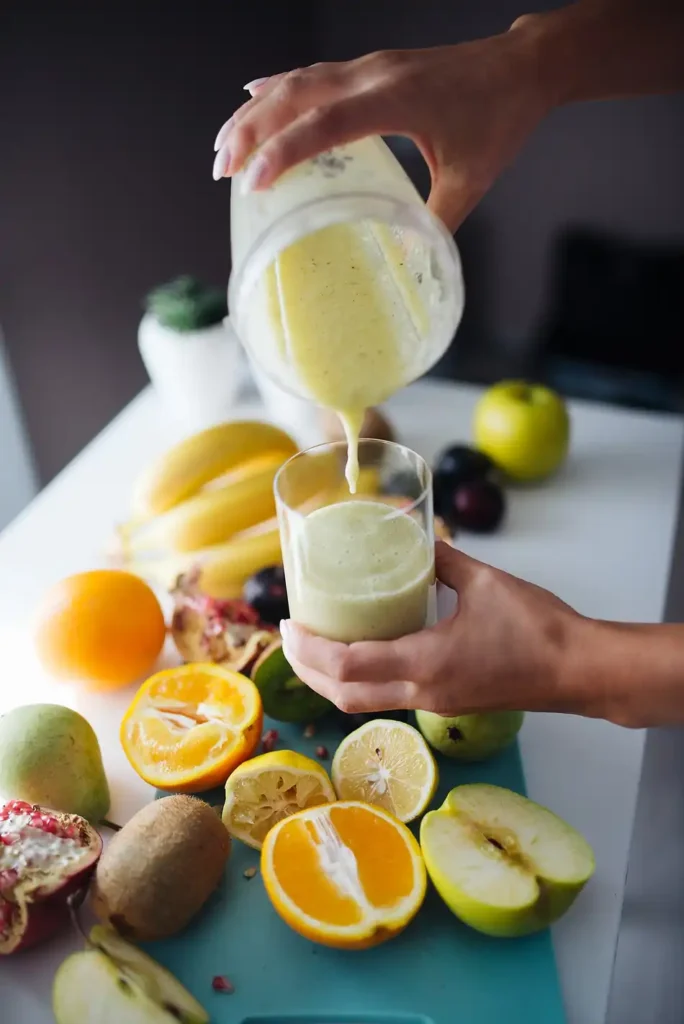
In the kitchen, “smooth” stops being about bumps on a surface and starts meaning no lumps, no grains, no harsh edges. Four words do this job, and two of them you have already met on the surface ladder wearing different clothes.
Creamy — smooth and rich like cream, with body and thickness. Example: The creamy tomato soup had no lumps at all. Creamy is the food ladder’s workhorse: soups, sauces, ice cream, mashed potatoes, peanut butter (the jar literally prints the contrast — “creamy” versus “chunky”).
Silken — the fancy form of silky, kept almost entirely for food, drink, and literary description. Example: The custard was silken, barely holding its shape on the spoon. Where silky is the everyday word, silken is the menu word — chefs and food writers reach for it when silky feels too ordinary.
Velvety — (from Level 3) in food it means smooth and soft at once, coating the mouth gently. Example: A velvety chocolate sauce poured over the cake in one slow ribbon. Chocolate, wine, and coffee descriptions live on this word.
Mellow — smooth because the harshness has faded: no sharp edge, no burn, no bite. Example: The whiskey had a mellow finish that warmed instead of stinging. Mellow is the taste of time — aged whiskey, ripe cheese, and softened flavors. It returns in the voice section below, because ears judge harshness the same way tongues do.
Smooth in Movement and Processes: Fluid, Flowing, Seamless, Effortless, Uninterrupted, Frictionless
The third job of “smooth” has nothing to do with touch at all. A smooth journey, a smooth landing, a smooth handover — here the word means nothing interrupted it. Six words split this job by what, exactly, flows.
Fluid — moving like liquid: continuous, graceful, without jerks. Example: The dancer crossed the stage in one fluid motion. Fluid is the first choice for bodies, gestures, and anything that moves in curves.
Flowing — moving steadily onward like a stream; fluid’s calmer, more open cousin. Example: Traffic was flowing again by seven. Flowing suits traffic, rivers, hair, dresses, and sentences — anything with a current.
Seamless — so smooth that the joins cannot be found; the star word of work and technology. Example: The software update was seamless — nobody’s files moved an inch. A seamless transition, a seamless process, a seamless experience: in each case the praise is that the seams, where trouble usually starts, are invisible.
Effortless — smooth because no strain shows; the movement seems to cost nothing. Example: She made the difficult dive look effortless. Effortless judges the look of the motion, not its ease in fact — the effort is hidden, not absent.
Uninterrupted — the plain, factual member of the group: nothing stopped it. Example: Eight hours of uninterrupted sleep did what three naps could not. Uninterrupted is the formal choice for sleep, work, power supply, and travel — description without poetry.
Frictionless — the fancy, technical top of this ladder: movement or process with zero resistance at all. Example: The new checkout is designed to be frictionless — two taps and you are done. Borrowed from physics, frictionless now belongs to business and app design, where it always means “we removed every step that annoyed you.”
Notice what this group never claims: speed. A journey can be slow and seamless, or fast and bumpy — smoothness here is about interruptions, not pace. If pace is your point, the words live on a different ladder, in our guide to synonyms for very fast.
Two idioms belong to this section. Smooth sailing means progress without obstacles: “After the rocky first week, the project was smooth sailing.” And when a process runs perfectly on schedule, it runs like clockwork — every part moving in its turn, nothing catching, nothing late.
Saying “Smooth” Professionally: The Words Work Writing Wants
Google’s own question box asks this outright — “What is a professional word for smooth?” and “How do you say smooth professionally?” — because “the meeting went very smoothly” sounds thin in a report. Here is the professional register, honestly sorted:
- Seamless — the strongest true synonym for formal writing: “a seamless transition to the new system.”
- Frictionless — the modern business favorite for processes and sign-ups: “a frictionless onboarding process.”
- Uninterrupted — the factual choice for operations: “uninterrupted service during the upgrade.”
- Streamlined and efficient — honest near-neighbors, not true synonyms: they praise a process for being simplified and waste-free, which is usually why it felt smooth. Use them when the simplification, not the smoothness, is your real point.
One caution: in professional writing, “smooth” applied to a person (“a smooth presenter”) can hint at slickness — the person-sense trap below. Describing the process as seamless keeps the praise clean.
Smooth Voices and Sounds: Mellow, Velvety, Dulcet
Sound gets the smallest section in this article, deliberately — a smooth voice is a side door of the word, not a second article. Three words cover it. Mellow (from the food section) is the everyday choice: low, warm, rounded, with no harsh edge — “a mellow jazz record for the drive home.” Velvety suits rich singing and narration voices that seem to wrap around the listener. And dulcet is the fancy word — sweet and soothing to hear, used almost only in literary writing: “the dulcet tones of the evening announcer.” A smooth voice is usually also a quiet one; for the volume ladder itself, see our guide to synonyms for very quiet.
A Different Job: “Smooth” People — A Warning Note
One sense of “smooth” does a completely different job, and this article fences it off on purpose. A smooth talker is someone whose words slide easily — charming, fluent, and possibly insincere. Its relatives are suave (polished and confident, the mildest of the group), glib (fluent but shallow and not fully honest), unctuous (oily-flattering), and the idiom smooth operator — a person who handles situations, and people, a little too effortlessly. None of these is a compliment for honesty, and none belongs on the ladders above. If you are praising someone’s genuine skill with people, words like tactful, diplomatic, or personable say it without the shadow. Keep the person-sense here, in this one note, and let the surfaces have the article.
Common Mistakes with “Smooth”
Mistake 1: Calling soft things smooth. A cushion, a sweater, a kitten’s fur (when you mean the give, not the surface) — these are soft words. Run the two-second test from the teaching box: press = soft, slide = smooth.
Mistake 2: Using slippery as praise. “The new floor is wonderfully slippery” announces a lawsuit, not a compliment. For praise, stop at polished, glossy, or sleek.
Mistake 3: Writing “very smooth” about a process. “The launch went very smoothly” is the weakest version of the sentence. Seamless, effortless, and uninterrupted each say what kind of smooth — pick one.
Mistake 4: Reaching for slick to describe a person you admire. Slick about people leans toward the smooth-talker family — impressive on the surface, doubted underneath. Sleek is for their car; polished is for their presentation; slick is a raised eyebrow.
Mistake 5: Mixing up the idiom. It is smooth sailing — not “smooth sale-ing” — and it describes the journey after the obstacles: once the hard part ends, the rest is smooth sailing.
Student tip — learn the ladder, not the list. If you memorize one line, make it this one: even → polished → silky → slippery. That chain covers a plain floor, a crafted table, the finest fabric, and the exact point where smooth becomes a warning. Add seamless for processes and creamy for food, and you can handle nearly any smooth sentence in English.
Antonyms: The Rough Ladder
Every smooth word makes more sense next to its opposite. English roughness climbs its own short ladder, from mildly uneven to wild:
- Rough — the plain opposite of smooth; a surface with bumps and irregularities. “The rough bark scraped her arm.”
- Coarse — rough in texture, made of large grains or fibers. “Coarse sandpaper tore through the wood.”
- Bumpy — covered in small bumps; the everyday word for bad roads and turbulent flights. “The bumpy landing woke half the cabin.”
- Jagged — rough with sharp points and edges. “Jagged rocks lined the shore.”
- Rugged — the strong top end: rough, uneven, and wild, often about land. “Rugged cliffs dropped straight into the sea.”
Notice the mirror: the rough ladder also turns at the top — rugged, like sleek, can be praise (a rugged landscape, a rugged vehicle), while jagged, like slippery, is mostly a warning. Ladders in English keep doing that; watching where they turn is most of vocabulary.
FAQ: Synonyms for Very Smooth
What’s another word for “very smooth”?
It depends on the job. For a surface, polished or silky. For food and drink, creamy or velvety. For a process or journey, seamless or effortless. “Very smooth” is really four questions wearing one coat — name the job first and the right word follows.
What is a fancy way to say “smooth”?
Burnished for metal and leather, satiny for fabric and finishes, silken for food, dulcet for voices, and frictionless for processes. Each fancy word is fancy because it is specific — it names the material or the domain, not just the smoothness.
What is a professional word for “smooth”?
Seamless is the safest professional upgrade: “a seamless transition,” “a seamless handover.” Frictionless is the modern business favorite for processes and digital products, and uninterrupted is the factual choice for operations. Streamlined and efficient are close neighbors — they praise the simplification that made the process smooth.
How do you say “smooth” professionally?
Describe the process, not the feeling: “The migration was seamless,” “Onboarding is now frictionless,” “Service continued uninterrupted.” Avoid calling a colleague “smooth” in writing — about a person, the word can suggest the smooth-talker sense: polished on the surface, doubted underneath.
What are some expressions that use the word “smooth”?
Smooth as silk — perfectly smooth or perfectly easy: “The engine ran smooth as silk.” Smooth sailing — easy progress after a hard start: “The first exam was brutal; after that, smooth sailing.” And a smooth operator — someone slick and self-assured in handling people; know that it carries the warning note from this article, not pure praise.
Is smooth the same as soft?
No — and this is the most useful distinction in the whole word family. Smooth means no bumps: you can slide across it. Soft means it gives under pressure: you can press into it. Glass is smooth but hard; a sponge is soft but full of holes. Some things are both (velvet), and English even has a bridge word for that — velvety.
Can “smooth” ever be a bad thing?
Yes — past the top of the ladder, smoothness becomes a hazard or a flaw. Slippery floors, slick roads, and greasy hands are complaints. And about people, a “smooth” talker is someone whose easy words you are warned not to fully trust. Strength in vocabulary is knowing where the praise stops.
For the complete dictionary treatment of the word family, the Merriam-Webster Thesaurus entry for “smooth” lists the near and opposite meanings in full — this guide’s job has been the part a thesaurus cannot do: ranking them.
The Bottom Line
“Very smooth” is not wrong — it is just four words hiding inside one vague phrase. Learn the shape of it: even and level for plain, bump-free surfaces; polished, silky, and sleek for worked and finest finishes; creamy and mellow for food and drink; seamless and effortless for processes that nothing interrupted — and the discipline to stop before slippery, where smooth turns into a warning. Pick the rung, and you will never write “very smooth” again.

SynonymsKey helps students and writers find the right word, with synonyms grouped by meaning, antonyms, and clear examples for everyday writing.