
You already know the scene your sentence needs. Someone stepped forward when stepping forward was the hard thing to do — and all your draft gives them is “very brave.” The words are not wrong. They are just blunt, the way a butter knife is blunt: they spread the meaning around instead of cutting to it.
Here is the problem. Bravery is not one thing at one volume. There is the everyday nerve of a student who answers first, the steady nerve of a nurse who stays calm through a bad night shift, and the almost storybook nerve of a rescue worker going back into a building one more time. “Very brave” flattens all three into the same gray phrase. English keeps a whole ladder of bravery words — more than twenty-five of them — and each rung says something slightly different about who acted, what it cost, and how much fear was in the room.
That last part matters more than most word lists admit. A brave person is not a person with no fear. Brave is what we call someone who feels the fear and moves anyway. Fear itself has its own ladder, and if you want to see the far end of it — the words for very scared — our guide to synonyms for very scared maps that side of the hill. This guide maps the climb back up: what is a stronger word than “brave,” what is the word for extreme bravery, and — the part almost nobody teaches — where the ladder of praise tips over and the words start to sound like a warning instead.

Quick Answer: The Best Synonyms for Very Brave
In a hurry? Start here. These five swaps cover most of the times you would reach for “very brave”:
- Courageous — the safest all-purpose upgrade; serious, respectful, works in almost any sentence.
- Fearless — stronger than brave; claims the person felt little or no fear at all.
- Bold — the everyday choice for actions, decisions, and ideas: a bold move, a bold choice.
- Valiant — the heroic, formal choice for struggle against long odds; belongs in speeches and stories.
- Intrepid — the fancy choice, usually for explorers, reporters, and travelers who keep going into hard places.
If none of those fits, keep reading. The ladder below sorts twenty-six bravery words by strength and by the situations they belong in, because the right rung is the one that matches your scene — not simply the biggest word you can find.
The Bravery Ladder at a Glance
| Word | Strength | Best for | Quick example |
|---|---|---|---|
| Bold | Everyday | Decisions, actions, ideas | A bold opening question |
| Daring | Everyday | Risky, exciting attempts | A daring rescue plan |
| Plucky | Everyday | Underdogs who keep trying | A plucky first-time runner |
| Courageous | Solid | Serious, praised actions | A courageous decision to report it |
| Fearless | Solid–strong | No visible fear | A fearless goalkeeper |
| Undaunted | Solid–strong | Not discouraged by setbacks | Undaunted by the first failure |
| Heroic | Heroic | Life-risking or selfless acts | A heroic effort to reach the hikers |
| Valiant | Heroic | Struggle against long odds | A valiant last-place finish |
| Lionhearted | Heroic | A person’s character | A lionhearted team captain |
| Intrepid | Fancy | Explorers, reporters, travelers | An intrepid war correspondent |
| Reckless | Too far | Risk with no judgment (warning) | A reckless driver on ice |
Read the table as a dial, not a ranking contest. Turning the dial up is only an improvement when the scene earns it. Calling a child “intrepid” for trying broccoli is a joke; calling a firefighter merely “bold” for carrying someone down three flights of stairs undersells what happened. Match the word to the weight of the moment.
Level 1: Everyday Bravery — Bold, Daring, Plucky, Game
Most bravery in real life is small, unglamorous, and over in a minute. Level 1 words live at kitchen tables, in classrooms, and at work. They praise nerve without dressing anyone in armor.
Bold — willing to take a noticeable risk or stand out. Bold is the most flexible word on this ladder: it describes actions, plans, questions, and even designs. The new manager opened the meeting with a bold question about the budget, and the whole room went quiet. Use bold when the risk is social or practical — being seen, being first, being disagreed with — rather than physical.
Daring — bold with a spark of adventure in it. Daring suggests the person knew the attempt might fail in public and tried anyway. It was a daring pass in the final minute, the kind most players would not even attempt. Daring often carries a hint of admiration mixed with surprise: the act was a little more than the moment required.
Plucky — brave in the way an underdog is brave: smaller, outmatched, and refusing to quit. The plucky shelter dog trotted up to every visitor, tail wagging, as if rejection was not an option. Plucky almost always warms a sentence. It fits people, animals, and small teams facing bigger opponents, and it would sound wrong for a general or a champion — plucky needs the odds stacked against its subject.
Game — willing, ready, and up for the challenge. Game is quiet and conversational: When the hike leader asked who was game for the longer trail, three hands went up. It rarely appears alone in formal writing, but in dialogue and friendly prose it says “brave enough to volunteer” in a single syllable.
Gutsy — the informal member of this level, and the honest answer to the slang question readers ask about brave. Gutsy means brave in a raw, instinctive way: It was a gutsy call to restart the business after the fire, with no guarantee anyone would come back. Gutsy is perfect for sports writing, interviews, and casual praise. Keep it out of formal reports, and know that English really has no other common one-word slang swap for brave — gutsy is the one that does the job.
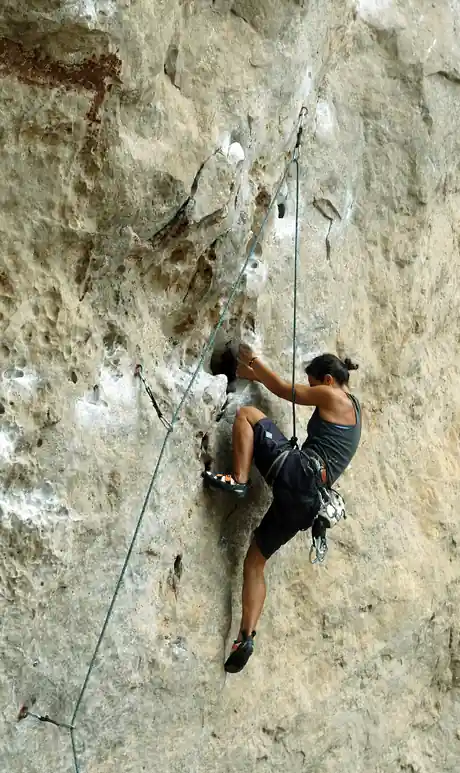
Level 2: Solid Courage — Courageous, Fearless, Unafraid, Undaunted, Unflinching
Level 2 is where praise gets serious. These words suit news reports, award citations, school essays, and any scene where the fear was real and the stakes were clear.
Courageous — the most respected all-rounder on the ladder. Courageous says the person understood the danger or the cost and acted with a clear head anyway. The nurse made the courageous decision to question the order, and the double-check caught the error. If you replace “very brave” with only one word for the rest of your life, make it this one: it is strong, formal without being stiff, and almost never the wrong choice.
Fearless — showing no fear, or so little that none is visible. The fearless goalkeeper charged straight at the striker’s feet. Read the Level 2 warning below before you use it, because fearless makes a bigger claim than brave does.
Unafraid — simply not afraid, stated plainly. Unafraid of the dark auditorium, the young speaker walked to the microphone and began. Unafraid often works best with its object attached — unafraid of failure, unafraid to ask, unafraid of the answer — which makes it a graceful choice for speeches and personal essays.
Undaunted — not discouraged or stopped by difficulty. The key ingredient in undaunted is time: the obstacle pushed back, maybe more than once, and the person kept coming. Undaunted by two rejected applications, the researcher rewrote the proposal and sent it a third time. Reach for undaunted when bravery looks like persistence rather than a single dramatic act.
Unflinching — not pulling back, physically or morally, at the hard moment. The witness gave an unflinching account of what she had seen, detail by detail. Unflinching loves steady gazes, honest reports, and people who do not soften the truth. It suggests courage at the exact second when flinching would be easiest.
Is Fearless Stronger Than Brave?
Yes — and that is exactly why you should use it carefully. Brave (and courageous) describe someone who feels fear and acts in spite of it. Fearless claims the fear was barely there at all. That makes fearless the stronger word on paper, but not always the truer one. Most real courage includes a racing heart. Writers who call every hero “fearless” accidentally erase the very thing that made the act admirable. Save fearless for the mountain guide on her five-hundredth climb, the veteran goalkeeper, the surgeon in her thousandth procedure — people whose calm is genuinely visible. When in doubt, courageous tells the more honest story.
Level 3: The Heroic Register — Heroic, Valiant, Gallant, Lionhearted, Stouthearted
Turn the dial further and the words change their clothes. Level 3 words belong to ceremonies, history books, news reports of rescues, and fiction. Use one at the office and the sentence starts to sound like a costume — which is sometimes exactly the playful effect you want, and often not.
Heroic — involving great risk or sacrifice for others. Fire crews made a heroic push through the night and kept the fire from reaching the school. Heroic is the most usable word at this level: modern journalism uses it daily, and it still lands with full weight when the act involves real danger faced for someone else’s sake.
Valiant — brave in a hard struggle, especially against long odds, win or lose. The last-place runner made a valiant effort on the final hill, cheered the whole way. Notice what valiant honors: the striving, not the result. A valiant attempt can fail completely and the word still fits. That makes valiant the kindest of the heroic words, and the right one for defeats that deserve respect.
Gallant — brave and noble at once: courage polished with courtesy and honor. This is the word readers are feeling for when they ask for “brave and noble” in a single term. In the old photograph, the gallant officer is holding the door of the lifeboat for the last passenger. Gallant carries a historical, almost chivalrous flavor. It also reaches toward kindness — a gallant gesture is courteous as well as brave — which is why it forms a bridge to the warmer words in our guide to synonyms for very kind, where brave courtesy shows up as a form of generosity.
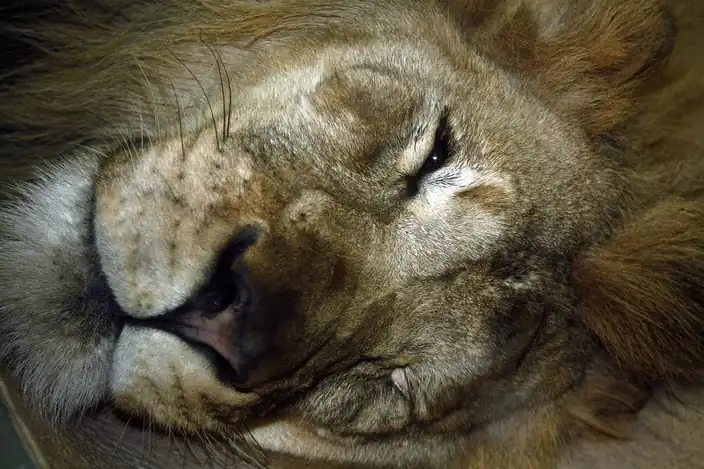
Lionhearted — having the heart of a lion: deeply, character-level brave. When readers ask, “What do you call a very brave person?” this is the answer with a story inside it. The lionhearted captain had played through injuries all season without once mentioning them. Lionhearted describes who someone is, not just what they did once, so it suits profiles, tributes, and fiction better than incident reports.
Stouthearted — firm-hearted and steady under pressure. The stouthearted crew kept the ferry on course through the worst storm of the year. Stouthearted is slightly old-fashioned, built from “stout” in its older sense of strong and resolute, not large. It pairs naturally with crews, communities, and anyone whose courage is quiet and collective.
Two steady neighbors deserve a mention before we climb higher. Stalwart describes someone loyal and physically or morally strong over the long haul — a stalwart volunteer who has shown up every Saturday for a decade — while steadfast praises someone who does not move from a duty or a belief: steadfast in her support of the shelter, even when funding ran out. Neither word is flashier than brave, exactly, but both add the ingredient brave alone can miss: duration.
The Fancy Top: Intrepid, Dauntless, Valorous, Doughty, Redoubtable
Every ladder on this site has a top shelf, and readers ask about it directly: what is a fancy word for brave, or for bravery itself? These five are the formal, literary words. They are impressive in the right sentence and faintly ridiculous in the wrong one, so each comes with an honest usage note.
Intrepid — fearless in the face of danger, especially far from home. The intrepid reporter filed her story from a town most news crews had already left. Intrepid is the fancy word you will actually use. It clings naturally to explorers, correspondents, scientists in the field, and travelers, and modern readers still understand it without a dictionary. If “extreme bravery” is what a searcher means, intrepid energy — bravery sustained in a dangerous place — is usually the idea.
Dauntless — impossible to daunt; nothing discourages this person. Dauntless after the engine failed, the pilot glided the small plane toward the only flat field in sight. Dauntless pairs beautifully with setbacks: it is the word for courage that bad news cannot dent. It sounds literary today, but not antique — a good choice for fiction and tribute writing.
Valorous — full of valor, the noun form of battlefield courage. The medal citation praised the unit’s valorous conduct under fire. Valorous lives in military and ceremonial language. Outside those settings it can feel like it arrived wearing a uniform, so let context invite it.
Doughty — an old, sturdy word for brave and determined. The doughty librarian defended the book budget at every council meeting for twenty years. Be honest with yourself before using doughty: many readers have never met it, and some will guess it is related to dough. It can be charming in humorous or historical writing, where its slight dustiness is part of the point.
Redoubtable — formidable; commanding respect and a little awe. The redoubtable debate coach had not lost a regional final in nine years. Redoubtable describes people (and occasionally defenses or reputations) that opponents take seriously before the contest even starts. It says “brave” plus “impressive” plus “do not underestimate.” Reserve it for subjects with a track record.
A precision note while we are up here: dictionaries group these words together, but they do not treat them as interchangeable. The synonym notes in the Merriam-Webster Thesaurus entry for brave are a useful second opinion when you are choosing between near neighbors like courageous, valiant, and fearless — this article’s ladder exists to turn that raw list into decisions.
The Ladder Turns: Reckless, Foolhardy, Rash, Brazen
Now for the section most word lists skip — and the one that may save your writing the most embarrassment. Push bravery one notch too far and the praise drains out of the word. Past fearless, English stops admiring the act and starts questioning the judgment behind it. These four words mark the turn.
Reckless — taking risks without caring about the consequences. Driving on bald tires through the ice storm was not brave; it was reckless. Reckless is the everyday warning word, and swapping it in or out changes a sentence’s whole moral: the same driver, the same storm, but now the writer is criticizing instead of praising.
Foolhardy — reckless in a way that points at foolishness. The foolhardy hiker ignored the closed-trail sign, and rangers spent the night walking him out by flashlight. Foolhardy is the strongest warning on this page. Notice the shape of a good foolhardy example: the outcome is rescue, luck, or harm narrowly avoided — never a celebration. If your sentence is cheering, foolhardy is the wrong word; if it is shaking its head, foolhardy is perfect.
Rash — acting too fast, without thinking first. It was a rash promise, made in one excited minute and regretted for a month. Rash is the mildest of the turn words and often describes decisions rather than dangers. A rash choice can be harmless; a rash driver cannot. Context sets its temperature.
Brazen — bold without shame, and that is why it does not belong on the courage ladder at all. The brazen claim fell apart the moment anyone checked the numbers. Brazen describes nerve used to deceive, cheat, or show off. It looks like boldness from a distance, but there is no risk faced honorably — only rules ignored openly. Listing brazen as a synonym for brave is one of the most common errors in flat word lists; now you know why it misleads.
The teaching point to carry away: courage weighs the risk and decides the goal is worth it. Recklessness skips the weighing. When you choose between fearless and foolhardy, you are not choosing a stronger or weaker word — you are passing judgment on the act itself.

Brave with Words: The Moral Kind of Courage
Not all bravery involves heights, water, or fire. Some of the hardest brave acts are sentences: telling a friend the truth, admitting a mistake in front of a team, reporting a problem you could have quietly ignored. The words on this ladder fit those moments too — a courageous apology, an unflinching report, a bold question in a silent room.
This is where bravery shakes hands with honesty. The brave thing and the honest thing are very often the same act viewed from two sides, and the vocabulary overlaps: candid, frank, forthright. If that side of courage is what your writing needs, our guide to synonyms for very honest builds the full ladder for truth-telling words, from honest up to blunt and beyond.
One caution for this territory: do not borrow heroic words for office moments unless you mean the humor. A valiant attempt to fix the copier is a joke, and a good one — as long as everyone, including you, knows it is a joke.
Brave Is Not the Same as Strong
A short distinction worth keeping straight, because the two words travel together and are often confused. Strong is what the body (or a structure, or a coffee) can do: lift, carry, withstand. Brave is what a person does despite fear. A weightlifter can be strong and still dread public speaking; a slight, unathletic librarian can be the bravest person in the building when a hard decision lands on her desk.
The vocabularies overlap at words like stalwart and stouthearted, which is why the confusion is understandable. But when your sentence is really about capacity rather than courage, the right ladder is a different one — see our guide to synonyms for very strong for the words that grade power instead of nerve.
Idioms That Carry Bravery
Idioms let a whole scene’s worth of courage ride inside a short phrase. Four are worth keeping, though one of them comes with a warning label.
Brave as a lion — the classic comparison, and the reason lionhearted exists. Brave as a lion in the ring, the young boxer was quiet and shy everywhere else. It is warm, old, and instantly understood, which is why it survives.
Put on a brave face — to act cheerful or calm while hiding fear, pain, or disappointment. She put on a brave face for the kids and cried later, in the car. Learn this one precisely: it is NOT a synonym for being brave, because the idiom is about concealment. It describes the mask, not the courage underneath — though readers often find the masked kind more moving.
Brave the elements — to go out into bad weather and endure it. A few hundred fans braved the elements to watch the playoff game in the snow. Here brave works as a verb, and the phrase is the standard way to praise anyone — postal workers, fishermen, marathon runners — whose bravery is mostly endurance.
Fortune favors the brave — the old proverb (American spelling) claiming that luck rewards people who act boldly. It is a fine motto for an essay’s closing line and a terrible complete philosophy, since the reckless climbers of the world also believe it. Quote it when you want momentum; reach for the turn words when you want wisdom.

Common Mistakes with Brave Words
Mistake 1: Calling every risk brave. Speeding, skipping the safety check, ignoring the weather warning — the ladder turns for a reason. If the act shows no judgment, the honest words are reckless, rash, or foolhardy. Your writing gains credibility the moment readers see you will not praise what should be warned against.
Mistake 2: Dressing everyday moments in heroic words. Valiant, gallant, and valorous bring ceremony with them. A gallant wave to a neighbor or a valorous effort to reach the top shelf plays as comedy. Funny can be exactly right — just make it deliberate.
Mistake 3: Using fearless where brave is truer. As the Level 2 section explained, fearless denies the fear that makes courage meaningful. Most of the people your readers admire were scared and acted anyway. Say so.
Mistake 4: Stacking intensifiers on ladder words. “Very fearless,” “extremely intrepid,” “so courageous” — the ladder word already contains the “very.” That was the whole point of climbing it. If a sentence still feels weak, the fix is a better scene or a more specific detail, not another booster word.
Mistake 5: Treating brazen as a compliment. Brazen boldness is shamelessness. A brazen lie, a brazen cheat, a brazen grab for credit — the word is an accusation wearing bold’s clothing.
Antonyms: The Coward Side of the Ladder
Every ladder casts a shadow, and bravery’s shadow has rungs of its own. From mildest to harshest: timid (shy and easily frightened — the timid new volunteer would not answer the phone for a week), fearful (full of fear, a neutral description more than an insult), cowardly (failing to act because of fear, when action was a duty — a genuine criticism), and craven (the harsh, literary bottom rung: utterly without courage, contemptible for it).
The full map of that territory — from nervous through terrified to petrified — lives in our antonym partner guide to synonyms for very scared. Read the two ladders together and a useful truth appears: most human moments sit in the middle of both. Feeling fearful is the normal starting point. The brave words exist to describe what some people do next.
Use the coward side sparingly in your own writing. Cowardly and craven accuse real people of a character failure, and in nonfiction they can do real harm to a reputation. Timid and fearful describe a state; cowardly judges a soul. Aim carefully.
FAQ: Synonyms for Very Brave
What is a stronger word than “brave”?
Courageous is the safest stronger word, and fearless is stronger still — it claims the person felt little or no fear. For a formal or heroic tone, valiant and heroic outrank both. The right choice depends on whether the fear in your scene was present (choose courageous) or genuinely absent (choose fearless).
What is a fancy word for brave?
Intrepid is the fancy word readers use most, especially for explorers, reporters, and travelers. Dauntless, valorous, doughty, and redoubtable are fancier still, but each carries a warning: valorous sounds military, doughty and redoubtable are rare enough that some readers will pause. Fancy is only a win if the audience keeps reading.
What is the word for extreme bravery?
Heroic and lionhearted come closest to naming extreme bravery — heroic for a single selfless act, lionhearted for a person’s character. Intrepid covers extreme bravery sustained over time in a dangerous place. There is no single official “maximum” word; the ladder’s top is a shelf, not a throne.
What are 10 synonyms for courage?
Courage (the noun) has its own family: bravery, valor, gallantry, heroism, nerve, pluck, grit, boldness, fortitude, and mettle. Notice how many ladder words reappear in noun form — valor gives valorous, gallantry gives gallant — which makes the noun list a handy way to check whether an adjective will sound natural in your sentence.
What do you call a very brave person?
Lionhearted is the classic one-word answer, built for describing character. Depending on the scene, a very brave person can also be called intrepid (a traveler or reporter), dauntless (someone setbacks cannot dent), or simply a hero when the act involved risk for others. Match the label to the kind of bravery, not just its size.
What is the difference between brave, courageous, and valiant?
Brave is the general word — any act done despite fear, large or small. Courageous is its more formal, serious sibling, favored in reports and citations. Valiant adds struggle against long odds and honors the effort even when it fails. A brave child speaks first in class; a courageous employee reports the error; a valiant team loses beautifully to a stronger side.
Is there a slang word for brave?
Gutsy is the one common informal option — a gutsy call, a gutsy performance. Beyond that, English honestly does not keep a slang shelf for bravery; the informal end of this ladder is short. If gutsy feels too casual for the sentence, that is a sign to step up to bold or daring, which keep the energy without the slang.
What can I say instead of “very brave”?
Pick the rung your scene has earned: bold for a noticeable risk, daring for an attempt that might fail in public, courageous for a serious act with real cost, fearless when no fear showed, valiant for a noble struggle against the odds, intrepid for fearless travel into hard places — and foolhardy, honestly, when the act deserved a warning instead of praise.
The Bottom Line
“Very brave” fails your sentences not because it is incorrect but because bravery comes in kinds, and the kind is the interesting part. A plucky underdog, an unflinching witness, a valiant last-place finisher, and an intrepid reporter are all brave — and no reader would swap their words around. Climb the ladder to the rung your scene earned, respect the turn where praise becomes a warning, and let one exact word do the work that “very” never could.

SynonymsKey helps students and writers find the right word, with synonyms grouped by meaning, antonyms, and clear examples for everyday writing.