
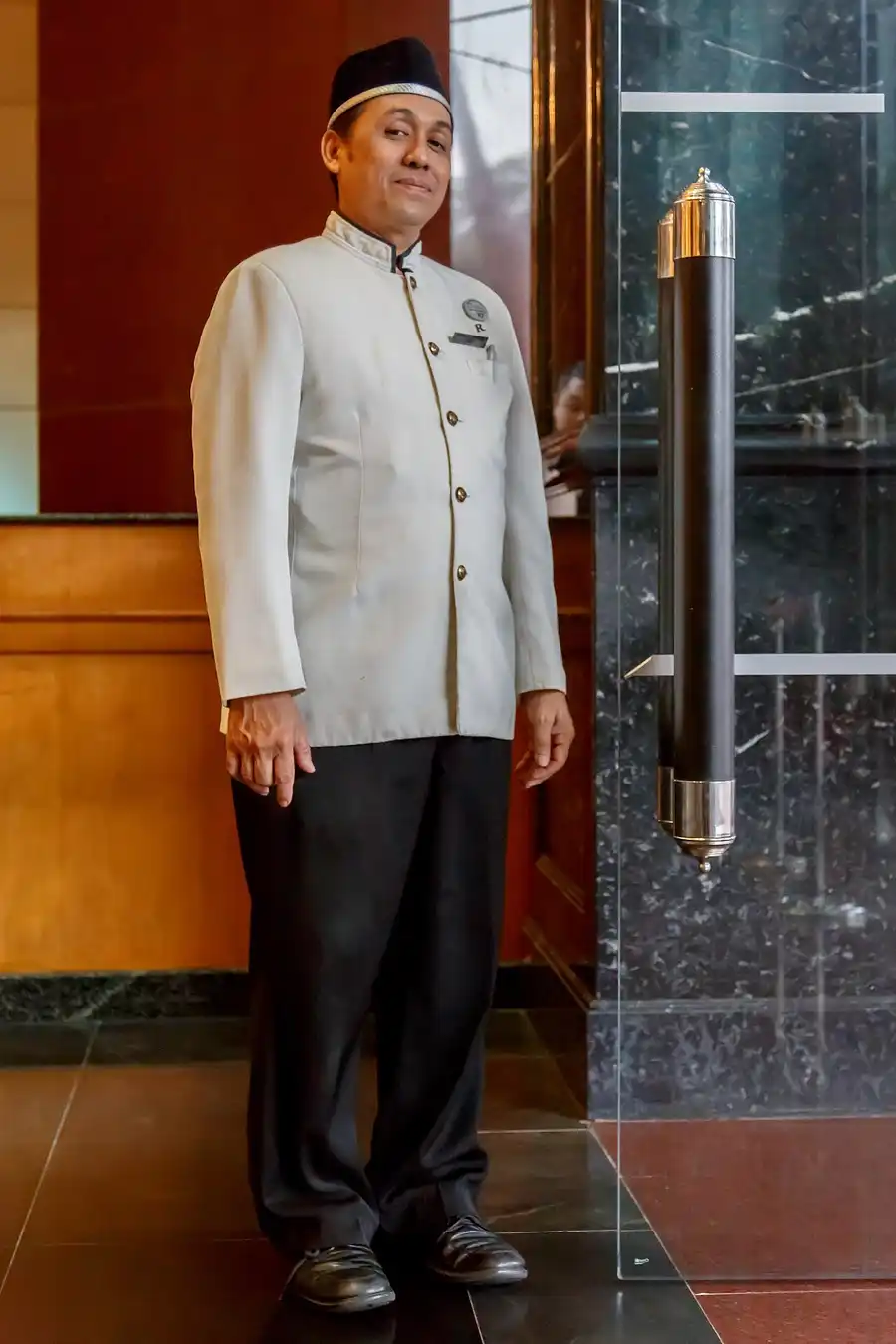
“He was very polite.” It sounds like praise, and it is — but praise of what, exactly? Was he merely correct, the way a terse complaint reply is correct, every sentence civil and not one of them warm? Was he thoughtful, the kind of person who holds the elevator and remembers your name? Or was he polished, all smooth manners and ceremony, the way a head waiter works a dining room? Those are three different virtues, and “very polite” flattens all of them into one blurry compliment.
That flattening is what this guide fixes. Learn the one idea the whole article is built on: politeness is a dial, not a switch. At the bottom of the dial sits civil — the bare minimum, manners with the warmth switched off. One turn up is courteous, the standard upgrade. At the warm top sits gracious, courtesy plus generosity of spirit. And past the top, the dial breaks: turn it too far and the words stop praising and start accusing — obsequious, sycophantic. Politeness, after all, is where kindness becomes visible; it is kindness expressed in manner, and like kindness, it comes in strengths.
This guide gives you 27 synonyms for very polite, ranked on the dial and sorted by register. In a hurry? The Quick Answer and the ladder table hand you a replacement in under a minute. For the exact shade — including the point where polite curdles into flattery — read the entries below.

Quick Answer: The Best Synonyms for Very Polite
If you only need one replacement right now, start here:
- Courteous — the best all-purpose upgrade: good manners plus real consideration for the other person. “A courteous reply that answered the complaint and thanked the customer for raising it.”
- Gracious — the warm top of the ladder: courtesy with generosity in it, especially from someone who outranks you. “A gracious host who made the interns feel like guests of honor.”
- Civil — the floor: correct and restrained, nothing rude said — and nothing warm offered, either. “A civil exchange between the two rivals, and not one word more.”
- Cordial — hearty, friendly politeness, the word for welcomes and invitations. “A cordial welcome from the department chair.”
- Well-mannered — the everyday compliment for upbringing done right. “A well-mannered teenager who thanked the coach without being prompted.”
Flat lists — the Merriam-Webster Thesaurus entry for “polite” among them — will hand you most of these words in one undifferentiated row. What they will not tell you is where each word sits on the dial, and that setting is the whole meaning. The ladder below is the map.
The Very Polite Ladder at a Glance
Think of the dial in five zones: the floor (correct but cool), the standard (considerate manners), the warm top (courtesy with heart in it), the polish register (formal, refined, sometimes dated), and past the top (flattery words that accuse). The table is the whole article on one screen.
| Word | Dial setting | Best for | Quick example |
|---|---|---|---|
| Civil | Floor | Correctness without warmth | A civil reply to a complaint. |
| Mannerly | Floor | Conduct, school and formal settings | Mannerly behavior at the assembly. |
| Well-behaved | Floor | Children, crowds, audiences | A well-behaved class on the field trip. |
| Respectful | Floor–standard | Regard for people and occasions | A respectful silence during the ceremony. |
| Well-mannered | Standard | Everyday praise, upbringing | A well-mannered guest. |
| Courteous | Standard | The all-purpose upgrade | A courteous email to a stranger. |
| Considerate | Standard | Manners that notice needs | A considerate coworker who knocks first. |
| Tactful | Standard | Saying true things gently | A tactful way to break the news. |
| Diplomatic | Standard | Careful wording under pressure | A diplomatic answer to the reporter. |
| Gracious | Warm top | Generosity of spirit | A gracious loser in the debate final. |
| Cordial | Warm top | Welcomes, invitations | A cordial greeting at the door. |
| Urbane | Polish | Smooth, composed sophistication | An urbane master of ceremonies. |
| Genteel | Polish | Quiet, old-fashioned refinement | A genteel tea on the porch. |
| Obsequious | Past the top ⚠ | A warning, never praise | An obsequious pitch to the new boss. |
Level 1: The Floor — Correct, Controlled, Not Necessarily Warm
Every polite word in this level passes the basic test — nobody is rude — but none of them promises warmth. Reach for these when correctness is the point, and read the caveat on civil twice: it is the most misused word in this article.
Civil — polite at the minimum setting: restrained, correct, and deliberately nothing more. Civil is the word for exchanges between people who do not like each other and are behaving anyway. Example: The two managers kept the meeting civil, which everyone in the room understood to mean cold. Use civil when you want that chill in the sentence — and never use it as a compliment for someone warm, because your reader will hear the temperature drop.
Mannerly — having good manners as a visible habit; a slightly formal word that lives in school reports, etiquette writing, and descriptions of children and guests. Example: Mannerly and soft-spoken, she thanked the bus driver every single morning. Note that none of this requires volume — some of the most mannerly people barely raise their voices, and if the quiet itself is what you are describing, our guide to synonyms for very quiet covers that register on its own.
Well-behaved — polite judged purely as conduct: no disruption, no scenes, rules followed. It belongs to children, audiences, crowds, and pets far more than to adults in conversation. Example: The well-behaved crowd filed out of the stadium without a single incident. Calling an adult well-behaved in a serious context can sound faintly patronizing, like a report card — save it for conduct, not character.
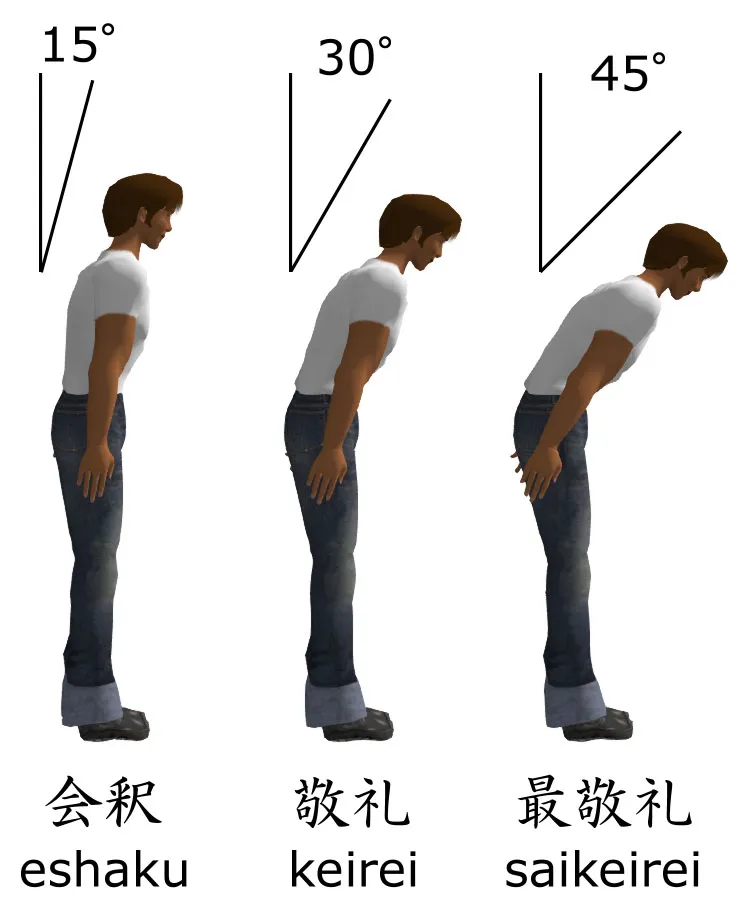
Respectful — politeness aimed at someone or something that deserves regard: elders, opponents, ceremonies, grief. It carries a note of deference the other floor words lack. Example: He disagreed with the judge’s ruling in a respectful letter that took her reasoning seriously. In many cultures this register is physical as much as verbal — the bowed greeting below runs from a slight nod of respect to the deepest bow of apology or honor.
Well-mannered — the friendly top of the floor and the most natural everyday compliment in this level: raised right, reliably courteous in ordinary situations. Example: Well-mannered without being stiff, he chatted with the caterers the way he chatted with the dean. It describes a settled habit rather than a single act, which is why it suits character references and introductions.
Level 2: The Standard Upgrade — Consideration in Action
This is the level most writers actually want when they type “very polite.” These words describe manners with attention behind them: the person is not just avoiding rudeness, they are actively making the interaction easier for the other side.
Courteous — the headword of this guide and the safest replacement for “very polite” in almost any sentence: good manners joined to genuine consideration. Example: Her courteous note to the landlord explained the problem, proposed two fixes, and left the decision to him. It works for people, letters, service, and institutions (“a courteous staff”), formal or informal, and it never sounds like flattery. When in doubt, this is the word.
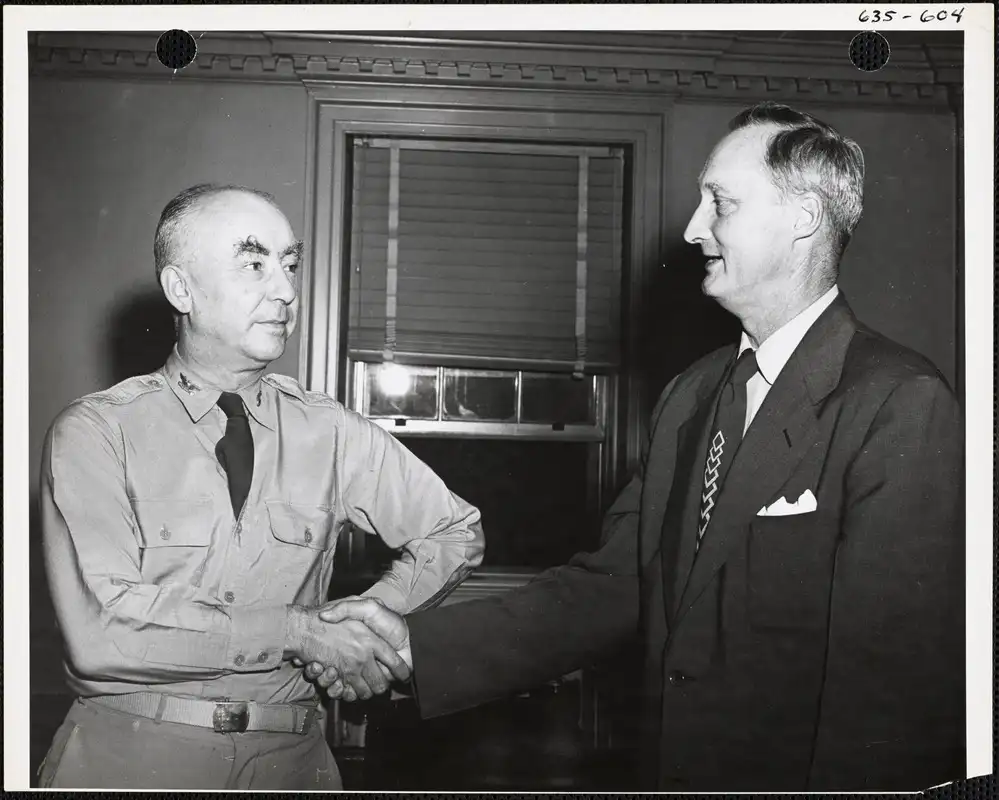
Considerate — politeness that notices: it anticipates what the other person needs before being asked. Example: A considerate seatmate, he offered the aisle passenger his overhead space before she had to ask. Where courteous describes the manner, considerate describes the awareness underneath it — which is why considerate compliments often land warmer.
Tactful — the politeness of difficult moments: it says the true thing in the way that costs the listener least. Example: Her tactful feedback told the intern the report needed a rewrite without making him feel small. Tact lives exactly on the fence between politeness and candor — push too far toward manners and you get evasion; too far toward candor and you get bluntness. Our guide to synonyms for very honest maps the other side of that fence, and the two articles are designed to be read as a pair.
Diplomatic — tact scaled up: careful, face-saving wording where interests collide — offices, negotiations, families at holidays. Example: Asked which sibling should host, she gave a diplomatic answer that praised both kitchens. It can carry a faint shadow — a diplomatic answer sometimes means a non-answer — so use it when the skill you are praising is precisely the art of not taking sides.
Obliging — cheerfully ready to do the small favor: holding, fetching, covering, waiting. Example: The obliging clerk stayed four minutes past closing so the last form could be filed. A shade old-fashioned in American English, and all the warmer for it; it praises willingness, not just correctness.
Attentive — politeness expressed as listening: full focus on the person in front of you, phone down, follow-up questions asked. Example: An attentive host, he remembered that she drank tea, not coffee, three years after her last visit. In service writing this is the word customers actually mean by “polite” — the server below is being graded on attention long before on ceremony.

Level 3: The Warm Top — Courtesy with Heart in It
At this level the manners are no longer a duty performed but a pleasure given. These are the words for hosts, welcomers, and gracious opponents — the strongest honest praise the polite family offers before it tips over into flattery.
Gracious — the top rung of the true ladder: courtesy plus generosity of spirit, most powerful when it flows downward, from the person who could have been cold, busy, or superior and chose warmth instead. Example: Gracious in defeat, she crossed the stage to congratulate the winner before the cameras found her. It is also the standard word for elegant hospitality (“a gracious home”) — in both uses, it means ease given to other people at no charge.
Cordial — hearty, open friendliness wearing its manners lightly; the word of welcomes, invitations, and first meetings that go well. Example: The new neighbors received a cordial invitation to the block picnic, handwritten and hand-delivered. Cordial borrows its glow from cheerfulness — if the sunny mood itself is your subject rather than the manners, the words in our guide to synonyms for very happy (genial, buoyant, radiant) are the closer fit.
Affable — easy to approach and pleasant to talk to; the politeness of people who make conversation feel safe. Example: Affable with every caller, the receptionist turned a billing dispute into small talk about the weather. Affable praises accessibility — it is the word for the executive, teacher, or official who never makes you feel small for knocking.
Genial — warm, smiling, good-humored courtesy; a genial person seems to enjoy being polite. Example: The genial professor opened every lecture by learning one new name from the back row. Slightly literary in flavor, it suits profiles, obituaries, and character sketches better than office email.
Amiable — gentle, good-natured pleasantness; the quietest word in this level, praise for someone nothing seems to ruffle. Example: Amiable to the end, he let the committee argue for an hour and then summarized everyone’s view fairly. Amiable and affable overlap, but amiable is the temperament and affable is the conversation — an amiable person is pleasant to be near, an affable one is pleasant to talk to.
Formal and Fancy Words for Very Polite: The Polish Register
These words describe politeness as style — polish, ceremony, and refinement — rather than kindness of manner. They are the right answers to “what is a fancy word for polite?”, and each carries a setting where it shines and a setting where it sounds like a costume.
Urbane — smoothly polished and composed, at ease in any company; the sophistication word. Example: Urbane and unhurried, the emcee handled the microphone failure like part of the program. Part of what urbane sells is composure — politeness that never loses its calm — and that poise has its own vocabulary in our guide to synonyms for very calm. Urbane implies the city polish its Latin root (urbs, city) promises; applied to a backyard barbecue host, it overdresses him.
Suave — charmingly smooth, especially of men in social or romantic comedy registers; polish with a wink. Example: The suave salesman remembered every name in the room and used each one exactly once. Handle with care: suave sits one step from slick, and readers who distrust the character will hear the second word.
Courtly — formal, ceremonious courtesy, as if conducted at a royal court; deliberate and slightly old-world. Example: With a courtly bow to the retiring librarian, he presented the plaque. Beautiful in historical fiction and ceremonial description; in a modern office memo it reads as irony.
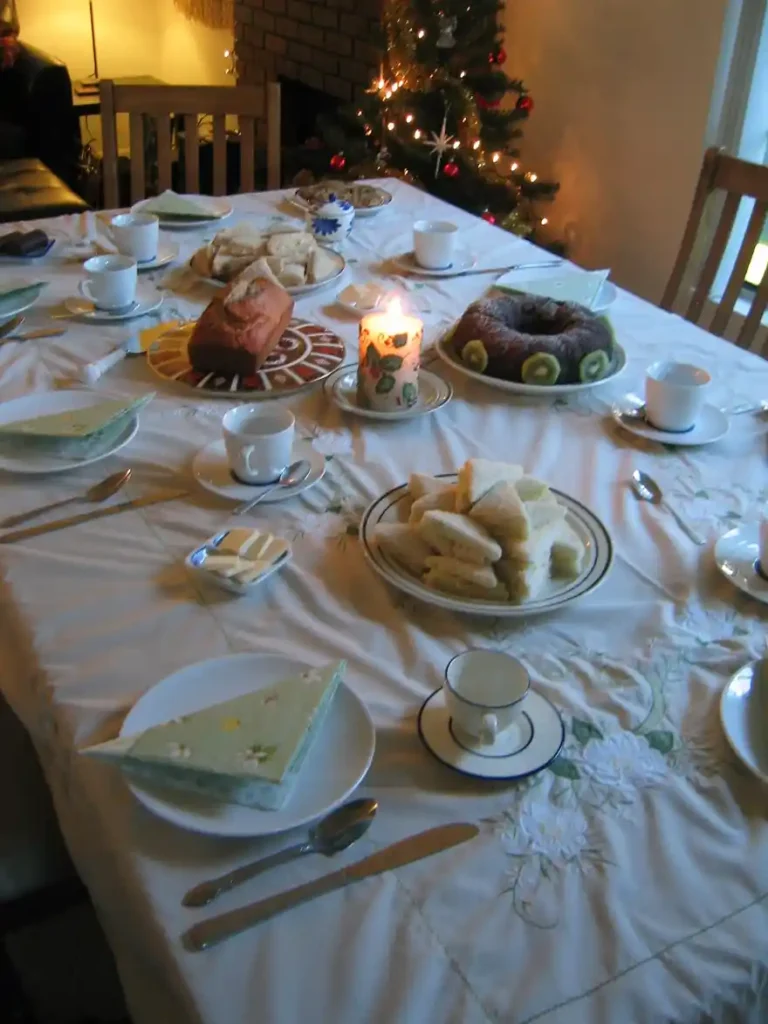
Genteel — quiet, restrained refinement; the word for tea tables, porches, and old family houses. Example: A genteel afternoon of sandwiches, second cups, and no raised voices. Know its second edge: genteel can shade into pretending to refinement, or politely threadbare (“genteel poverty”), so context decides whether it is praise or a raised eyebrow.
Polished — manners as finish: rehearsed, smooth, professional. Example: Her polished presentation style — greeting every panelist by name, thanking each by name — made the rough data easy to sit through. Polished praises the surface honestly; it does not claim anything about warmth underneath, which makes it ideal for performers, spokespeople, and service teams.
Cultured — polite through breadth: well-read, well-traveled, at home with art and ideas. Example: A cultured guide, she moved from the museum’s Dutch masters to the donors’ grandchildren without missing a beat. Use it for range of mind, not for a single courteous act — a cultured person can still be rude at breakfast.
Decorous — proper in the formal sense: behavior fitted exactly to the gravity of the occasion. Example: The hearing stayed decorous even when the testimony turned angry. Funerals, courtrooms, ceremonies, official apologies — decorous is the word when the rules of the moment matter more than anyone’s personality.
Refined — taste plus restraint: nothing loud, nothing excessive, everything considered. Example: His refined thank-you note mentioned the meal, the company, and one exact sentence from the toast. Refined describes judgment as much as manners; it is about less, chosen well.
Three more words belong to this register with dated or formal labels — learn them, but do not make them your defaults. Chivalrous — protective, gallant courtesy, traditionally a man’s toward women; at home in history, romance, and ceremony, but most modern readers hear the period costume. Gallant — the same register with bravery mixed in: the gallant officer is courteous and daring. Complaisant — formal and rare: eagerly willing to please and accommodate. Do not confuse it with complacent (smugly satisfied) — and know that complaisant can hint the person yields a little too readily, which points straight at the turn below.
The Turn: When Polite Goes Too Far
Here is the trap at the top of the dial, and the section no flat list will give you. Past gracious, adding more “politeness” does not add more praise — it changes the charge. These four words describe manners performed at someone, usually upward, usually with an agenda. Calling a person any of them is an accusation, not a compliment.
Obsequious — excessively eager to please or obey, especially toward power; fawning. Example: The vendor’s obsequious emails — three apologies, two compliments, one gift basket — made the purchasing manager trust him less. This is the direct answer to “another word for excessively polite”: the politeness is real, and that is exactly the problem.
Ingratiating — deliberately charming in order to get into someone’s good graces; it names the strategy, not the manner. Example: His ingratiating tour of the office — coffee for her, a compliment for him, a favor for the assistant — was mapped before it was felt. Writers use it when the audience is meant to see the calculation.
Sycophantic — flattery as a system: agreeing, praising, and laughing on cue to stay close to power. Example: The sycophantic panel nodded through the proposal and discovered its flaws only after the director left. The strongest of the four; reserve it for patterns, not single gestures.
Unctuous — smoothly, oilily polite; the manner feels greasy with insincere earnestness. Example: The unctuous apology video smiled for nine minutes and admitted nothing. Unctuous judges the texture of the performance — reach for it when the politeness itself feels slippery.
The practical rule: if your sentence could be followed by “…and it worked on the boss,” you have climbed past the top. Come back down to courteous or gracious, and let the motive, if you must raise it, be raised separately and plainly.
Common Mistakes With Polite Words
Mistake 1: Using “civil” as a warm compliment. “She was so civil to us” tells a careful reader the visit was endured, not enjoyed. Civil is the floor — correct and cool. For warmth, climb to courteous, cordial, or gracious.
Mistake 2: Praising someone with a turn word. Obsequious, ingratiating, and sycophantic appear in compliments only by accident. If a draft thanks a “sycophantic supporter” or an “obsequious host,” the writer has filed a complaint in the thank-you file. Check the turn section before any of these leave the page.
Mistake 3: Stacking the ladder on itself. “Very polite and courteous” says one thing twice and sounds weaker than either word alone. The ladder exists so one precise word can replace the whole pile: pick the rung, delete “very,” and stop.
Mistake 4: Dressing everyday manners in the polish register. A genteel plumber, a suave crossing guard, an urbane toddler — register words on ordinary subjects sound like satire. Small, warm moments want the middle of the dial: courteous, considerate, cordial.
Antonyms: Rude, Discourteous, Boorish — an Honest Short Ladder
The opposite direction runs: rude (a single act or remark with no regard for the other person) → impolite (the plain, general opposite — manners simply absent) → discourteous (a formal failure of courtesy where courtesy was owed) → blunt (honesty with the padding removed; rude in effect, sometimes honest in intent) → uncouth (rough, unmannered, socially unpolished) → boorish (the endpoint: habitually crude and insensitive, a boor by character).
One honest note: there is no true antonym-partner article on SynonymsKey yet — no “synonyms for very rude” guide exists to pair with this one, and this section will not pretend otherwise. When that guide is written, this is the ladder it will climb down. Until then, the words above cover the direction; just note the shape mirrors the polite ladder — it climbs from one bad moment, to a habit, to a character.
FAQ
What is another word for “excessively polite”?
Obsequious — and understand what it accuses. It describes politeness turned up past sincerity: fawning eagerness to please, usually aimed at someone with power. Ingratiating and sycophantic are its close relatives. None of the three is praise; if you mean the excess kindly, the word you want is probably gracious with the volume turned down — or courteous, stated plainly.
What is a fancy word for polite?
Gracious is the safest fancy answer — elevated but still warm — with urbane (composed sophistication) and courtly (formal ceremony) close behind for their settings. All three are Latin-built, formal words that suit speeches, profiles, and ceremonial writing. For an everyday subject they will sound overdressed; the fancy section above shows where each belongs.
What do you call an overly polite person?
It depends which way you mean it — and English keeps both doors open. Said kindly, an exceptionally polite person is courteous or gracious: manners with warmth in them. Said critically, the word is obsequious (or, for a pattern of flattery, a sycophant): the politeness is a performance aimed at winning favor. Choose by the motive you honestly believe is there.
What is the best synonym for “very polite”?
Courteous, for most sentences: it keeps everything “polite” promises and adds the consideration “very” was straining to suggest. Step up to gracious when the person had rank, options, or every excuse to be brief and was generous anyway. Step down to civil only when you mean the cool minimum — and mean the chill to be heard.
What is the difference between civil and courteous?
Temperature. Civil is the absence of rudeness: correct words, controlled tone, nothing offered beyond them — two rivals can be perfectly civil while disliking each other thoroughly. Courteous is the presence of consideration: the other person’s comfort is being actively looked after. A civil reply closes a complaint; a courteous reply thanks the writer for sending it.
Is “very polite” grammatically wrong?
No — polite is a gradable adjective, so “very polite” is perfectly grammatical. The issue is precision, not correctness. “Very” reports intensity without identifying it: it cannot tell your reader whether the manners were cool or warm, dutiful or polished, sincere or strategic. One ladder word carries all of that in a single syllable or two, which is why editors reach for it.
Bottom Line
“Very polite” is a compliment with the details left out. The fix takes five seconds: ask which setting of the dial your sentence needs. Bare correctness? Civil — and hear the chill you are choosing. Solid, everyday manners? Courteous or considerate. Warmth with generosity in it? Gracious or cordial. Polish and ceremony? Urbane, genteel, decorous — worn only where the occasion dresses that way. And stop one rung before the turn, where obsequious and sycophantic wait: past the top, politeness stops being praise. One exact word beats “very” every time.

SynonymsKey helps students and writers find the right word, with synonyms grouped by meaning, antonyms, and clear examples for everyday writing.