
You know the feeling. You have just come in from a long walk in the heat, or you have finished a run, or you have spent an afternoon moving boxes in the sun, and your mouth feels like it is lined with sandpaper. Someone offers you a glass of water and you say, “Thanks — I’m really thirsty.” But “thirsty” is too small a word for what you feel. You are not thirsty the way you are thirsty after a salty snack. You are very thirsty, and the word you reach for should match the moment.
That is what this guide is for. Below you will find the best synonyms for very thirsty — from the everyday to the dramatic, from the medical to the slang — with the meaning of each word, how strong it is, when to use it, when to leave it alone, and a real example sentence you can steal. By the end, you will never have to settle for “very thirsty” again.

The Short Answer: The Best Synonyms for Very Thirsty
If you are in a hurry, here is the whole guide in one table. Pick the row that matches your moment.
| Situation | Best word | Why it works |
|---|---|---|
| Everyday talk, talking to friends | Parched | Vivid, natural, everyone understands it |
| Writing, stories, essays | Parched or athirst | Parched is visual; athirst is literary and old-fashioned in a good way |
| Serious / medical situation | Dehydrated | It is the clinical word — use it when the body is actually in trouble |
| Dramatic exaggeration (joking) | Dying of thirst | Everyone knows you are not literally dying; it is the funniest, strongest option |
| Your throat or mouth specifically | Dry | “My throat is dry” is more precise than “I am thirsty” |
| Gasping for air and water | Gasping | Works after running, swimming, or heat — thirst plus breathlessness |
| A dry place, not a person | Bone dry / dry as a bone | For land, soil, wells, rivers — not people |
| Wanting something badly (not water) | Thirsty for / hungry for | The figurative sense — thirsty for knowledge, success, adventure |
Now let’s look at each word properly, because the differences matter. “Parched” and “dehydrated” are not interchangeable, “athirst” will sound strange in a text message, and “dry” can mean three different things depending on the sentence. The details below will keep you from picking the wrong one.
The Thirst Scale: From “A Little Dry” to “Call a Doctor”
Thirst is not one feeling — it is a ladder. Here is the scale, from mild to extreme, with a sentence for each step so you can feel the climb.
1. Thirsty. The ordinary word. Your mouth is a little dry and a glass of water would be nice. “I’m thirsty — can I get some water?”
2. Very thirsty. Stronger. You have been active or it is hot, and water is not a nicety anymore — you need it. “After that hike, I was very thirsty.”
3. Parched. Now it is vivid. Your mouth and throat feel dried out, like sun-baked earth. “Three hours in the sun left me parched.”
4. Gasping. Thirst plus breathlessness. You are not just dry — you are gulping for air and water at the same time. “He came off the field gasping for water.”
5. Dehydrated. The medical step. Your body has lost more fluid than it has taken in, and it is starting to show: headache, dizziness, dark urine, confusion. This is not a colorful word; it is a condition. “She was dehydrated after the marathon and needed electrolytes, not just water.”
6. Dying of thirst. The dramatic peak — almost always an exaggeration, and everyone knows it. Use it for jokes and stories, never in a medical context. “I’ve been waiting an hour — I’m dying of thirst!”
Notice something useful: the scale is not just about strength. It is about kind. “Parched” is a feeling word. “Dehydrated” is a medical word. “Dying of thirst” is a joke word. Picking the right synonym for very thirsty means matching the kind, not just the strength.
Parched — The Best All-Round Synonym for Very Thirsty
Strength: Strong. One clear step above “very thirsty.”
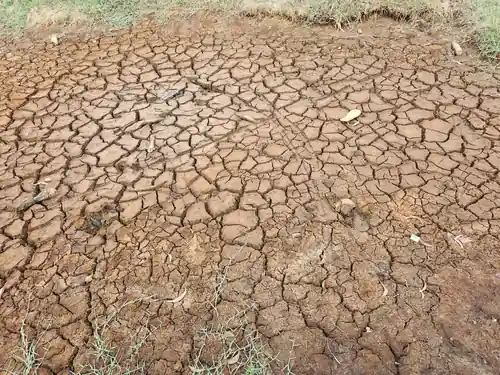
Meaning: Dried out by heat or lack of water — the way soil cracks in a drought, or the way your throat feels after hours without a drink. The word comes from the idea of roasting or drying something out, and you can still hear that heat in it.
When to use it: Almost anywhere. It works in conversation (“I’m parched”), in writing (“her lips were parched”), and in descriptions of land (“the parched fields”). It is the safest upgrade from “very thirsty” — vivid enough to be interesting, ordinary enough that nobody will blink.
When NOT to use it: In a medical report or a doctor’s note. If someone is genuinely ill from fluid loss, “dehydrated” is the accurate word, and “parched” would sound like you are guessing.
Example sentences:
- “After mowing the lawn in July, I came inside parched and drank two glasses of water before I said a word.”
- “The hikers reached the spring parched, their water bottles empty since noon.”
- “His throat was parched from shouting over the crowd all afternoon.”
What is another word for very thirsty if you want just one answer? Nine times out of ten, it is parched. It is the word most native speakers reach for, and it is the one Google’s own dictionary results put first.
Dehydrated — The Medical Word (Use It Carefully)
Strength: Very strong — and serious.
Meaning: Having lost too much water from the body. This is not a feeling; it is a measurable state. Doctors use it when fluid loss causes symptoms: headache, dizziness, fatigue, confusion, dark-colored urine, a dry mouth that water does not fix quickly.
When to use it: When the situation is genuinely medical, or when you are describing symptoms. “Very thirsty symptoms” — the phrase people search when they are worried — almost always point here: extreme thirst that does not go away after drinking, a dry mouth, dizziness, and peeing very little. Those are signs of dehydration, and they deserve a doctor, not a glass of water.
When NOT to use it: When you are just hot and thirsty after a workout. Saying “I’m dehydrated” after a jog is like saying “I’m starving” after skipping lunch — technically dramatic, practically an exaggeration, and people who have actually been dehydrated will notice. Save it for when it is true.
Example sentences:
- “The runner collapsed, dehydrated and confused, and the medics gave her fluids on the spot.”
- “If you are still thirsty after drinking a liter of water, and you feel dizzy, you may be dehydrated — get help.”
- “Dehydrated patients need electrolytes, not just plain water.”
What word could you use instead of thirsty when the situation is serious? Dehydrated — but only if the situation is actually serious.
Dry — The Small Word That Does a Lot of Work
Strength: Mild to medium, depending on the sentence.
Meaning: Lacking moisture. It is the plainest word on this list, and that is its power: it is precise. A throat can be dry. A mouth can be dry. A riverbed can be dry. A joke can fall dry (flat). The word bends to fit whatever you attach it to.
When to use it: When you want to name the exact part that is dry. “My throat is dry” tells the listener more than “I’m thirsty” — it locates the feeling. It is also the right word for objects and places: dry soil, dry lips, a dry cough.
When NOT to use it: When you want drama. “I’m dry” on its own sounds unfinished or odd; the word needs a partner (“my mouth is dry,” “I’m so dry”) to carry the meaning.
Example sentences:
- “My throat was so dry I could barely get the words out.”
- “He woke up with a dry mouth and reached for the glass on the nightstand.”
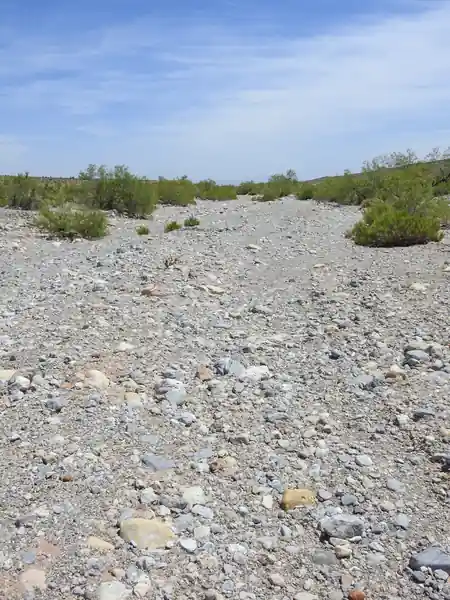
- “The creek bed was dry by August, and the fish were gone.”
Note the trap: “dry” also means boring (a dry lecture), unemotional (a dry wit), or alcohol-free (a dry county). Context does the work — and in a sentence about thirst, nobody will misunderstand you.
Athirst — The Fancy, Old-Fashioned One
Strength: Strong, but literary — not everyday.
Meaning: Thirsty, in the old sense of the word. “Athirst” is what writers used a century ago, and what poets and the King James Bible still give us: “Blessed are they which do hunger and thirst after righteousness.” It means the same thing as “thirsty,” but it sounds like it belongs in a book, not a kitchen.
When to use it: In formal writing, poetry, historical fiction, or when you want a deliberately old-fashioned flavor. It is also the answer to “What’s a fancy way to say ‘thirsty’?” — because it is, quite literally, the fancy way.
When NOT to use it: In a text message, an email to your boss, or a conversation with a friend. “I’m athirst” will get you a laugh, not a glass of water. It is also almost never used for the medical sense.
Example sentences:
- “The travelers were athirst after crossing the desert, and the well could not come soon enough.”
- “She stood at the podium, athirst for knowledge and unafraid to ask for it.” (Here the figurative sense works beautifully — see the section below.)
If someone asks you for a fancy way to say “thirsty,” athirst is the word — just know that it announces itself as fancy, so use it on purpose, not by accident.
Gasping — Thirsty and Out of Breath at Once
Strength: Strong, physical, urgent.
Meaning: Catching the breath in short, desperate bursts — and, by extension, desperate for water. “Gasping” is the word for the moment after a sprint, after a long swim, after running up the stairs: your lungs want air and your throat wants water, and both wants arrive together.
When to use it: After exertion. A runner finishing a race is gasping. A swimmer climbing out of the pool is gasping. It is a body word — it puts the reader right there in the chest and throat.
When NOT to use it: Sitting at a desk. If you have not moved, “gasping” is the wrong word, and it will sound melodramatic.
Example sentences:
- “She finished the last lap gasping, and someone pressed a cold bottle into her hand.”
- “He came up from the lake gasping, laughing, and thirsty all at once.”
- “The dog flopped down in the shade, gasping, and lapped at the bowl until it was empty.”
Dying of Thirst — The Big Exaggeration (and What It Really Means)
Strength: The strongest on this list — and almost never literal.
Meaning: What does “dying of thirst” mean? Literally, it means dying because the body has had no water — a real and terrible thing in deserts and survival stories. In everyday speech, it means the opposite of literal: it is a joke, a groan, a dramatic way of saying “I am very, very thirsty and I would like water right now, please.” Everyone understands the exaggeration, which is why it works.
When to use it: With friends, in stories, in dialogue, when you want a laugh. “I’m dying of thirst” is the line a character says when they stumble into a kitchen after mowing the lawn. It is also the standard phrase for a “synonyms for very thirsty person” — a person who is dying of thirst is, by definition, a very thirsty person.
When NOT to use it: When someone is actually in medical danger. If a person is confused, dizzy, and has not urinated in hours, “dying of thirst” is not a joke anymore — call it dehydration and get help.
Example sentences:
- “We’ve been in this line for forty minutes — I’m dying of thirst.”
- “After the hike, the kids flopped onto the grass, dying of thirst and demanding lemonade.”
- “The stranded travelers were genuinely dying of thirst by the third day — and that is when the story stops being funny.”
Bone Dry and Dry as a Bone — For Places, Not People
Strength: Extreme — completely, totally dry.
Meaning: So dry that nothing could be drier. A bone left in the sun has no moisture at all, and that is the image: total dryness. These two phrases are twins — “bone dry” is the adjective, “dry as a bone” is the simile — and they mean exactly the same thing.
When to use them: For things and places. Soil, riverbeds, wells, firewood, towels left on the line, a desert. “The field was bone dry.” “The well ran dry as a bone.” They are vivid and slightly funny, and they work best when you want the reader to see the dryness.
When NOT to use them: For people. Saying “I’m bone dry” sounds wrong — bones are not how we talk about our own bodies (and it accidentally sounds like you are describing a skeleton). If you mean yourself, go back to “parched.”
Example sentences:
- “By late August the garden soil was bone dry, and the tomatoes had given up.”
- “The creek was dry as a bone, and the stones on its bed were hot to the touch.”
- “He hung the towels out at noon; by three they were bone dry.”
Here is a small writing trick: the same “very + adjective” pattern that makes this article work also works for other feelings. If you liked this guide, you will like our guides to synonyms for very happy and synonyms for very sad — the same idea, the same climb from mild to extreme.
Parched vs Dehydrated — What’s the Difference?
This is the question readers ask most, so let’s settle it plainly. Parched vs dehydrated — what’s the difference? Three things: what it describes, how serious it is, and who says it.
| Parched | Dehydrated | |
|---|---|---|
| What it describes | A feeling — your mouth and throat feel dried out | A condition — your body has lost too much fluid |
| How serious | Uncomfortable, but usually fixed by a drink | Can be dangerous; may need medical care |
| Who says it | Anyone, anywhere — friends, writers, you | Doctors, nurses, coaches, medical writers |
| What fixes it | A glass of water | Water plus electrolytes, rest, sometimes a hospital |
| Example | “I’m parched after that walk.” | “The patient was dehydrated and needed IV fluids.” |
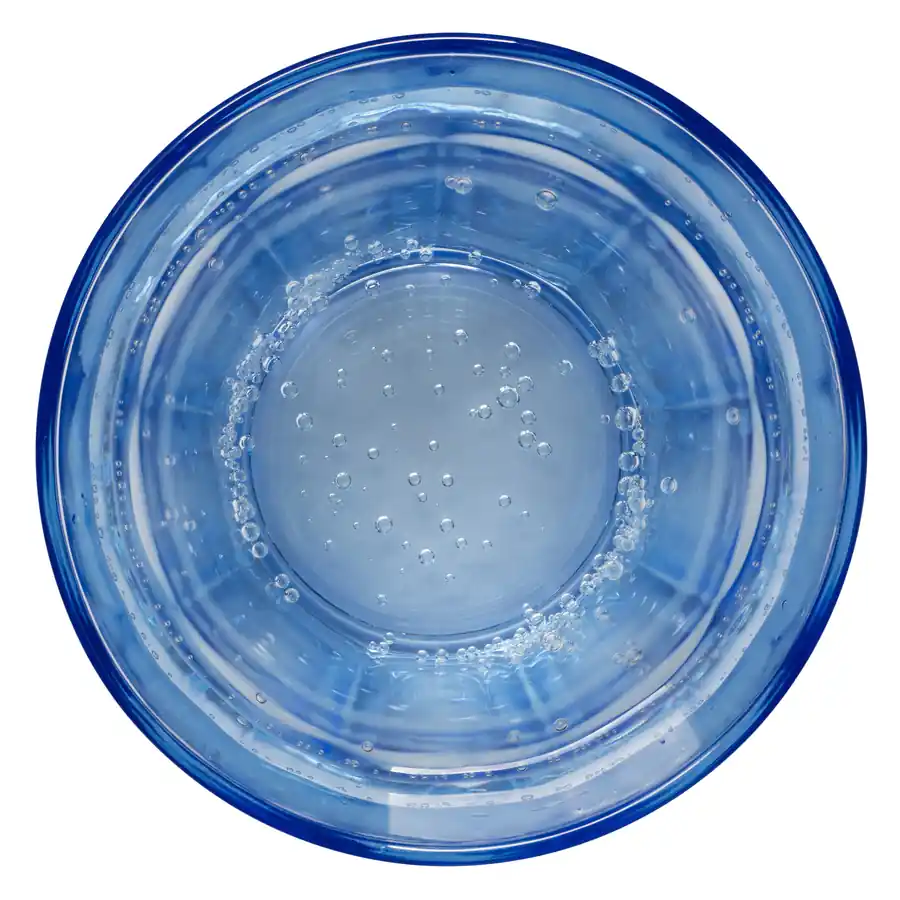
Think of it this way: parched is the experience of being very thirsty; dehydrated is the diagnosis when that thirst has gone too far. You can feel parched without being dehydrated — a hot afternoon will do it. But if you are dehydrated, you almost certainly felt parched first, and then kept going until the feeling became a symptom.
One more difference worth knowing: parched also describes land. A parched field is a normal, beautiful sentence. A “dehydrated field” is not — fields do not have bodies, so they cannot be dehydrated. If the subject is soil, a river, or a desert, reach for “parched” or “bone dry” every time. (For the dictionary definition of parched, see Merriam-Webster’s entry for “parched”.)
Slang and Casual Synonyms for Very Thirsty
Formal words are useful, but most of the time you are talking to a friend, not writing an essay. Here are the casual ways people actually say it — including the answers to “another word for thirsty slang.”
“I’m dying of thirst.” The classic, covered above. It is the most common slang synonym for “thirsty” in everyday speech, and it works because everyone hears the joke in it.
“My mouth is like sandpaper.” A simile, not a synonym — but it does the same job, and it paints a picture. Use it when you want the listener to feel what you feel.
“I could drink a lake.” Or a river, an ocean, a gallon. The exaggeration is the point. “Give me water — I could drink a lake right now.”
“I’m so dry.” Short, modern, text-message natural. “Just finished the gym, I’m so dry.” It is casual to the point of slang, and it works precisely because it is short.
“My throat is killing me.” Not literally about thirst, but everyone hears it that way after a long day of talking, shouting, or running. Pair it with a request — “My throat is killing me, got any water?” — and nobody will misunderstand.
One warning — the other meaning of “thirsty.” In modern slang, “thirsty” also means desperate for attention or approval, especially on social media: “He’s so thirsty for likes.” That is a real usage, and it is completely different from wanting water. If you are writing about actual thirst, the context will usually make it clear — but if your sentence could be read both ways, pick “parched” instead and skip the confusion.
The Figurative Sense: Thirsty for Knowledge, Success, and More
Here is where “thirsty” gets interesting, because it stops being about water at all. To be “thirsty for” something is to want it badly — and English has a whole family of words for that hunger.
Another word for “thirst for knowledge”: try hungry for knowledge, eager for knowledge, or craving knowledge. Each has its own shade:
- Hungry for knowledge — the most natural. It suggests appetite, the way a good student devours books. “She was hungry for knowledge and read everything she could find.”
- Eager for knowledge — polite and bright. It suggests enthusiasm without desperation. “The new intern was eager for knowledge and asked a hundred questions on her first day.”
- Craving knowledge — stronger, almost physical. It suggests a need that will not go away. “After years of routine work, he was craving knowledge — something new to learn.”
- Avid for knowledge — formal, bookish, and precise. An “avid reader” is the classic example. “He was an avid student of history.”
- Longing for — softer, more emotional. It fits dreams and distant goals better than facts. “She was longing for a life bigger than the one she had.”
The same words work for other hungers: thirsty for success (“hungry for success,” “eager to succeed”), thirsty for adventure (“craving adventure,” “longing for the road”), thirsty for revenge (“hungry for revenge” — the darkest of the set, and a phrase you will find in a hundred novels).
Notice the pattern: the figurative “thirsty” almost always takes “for.” Thirsty for knowledge, for success, for adventure. If you drop the “for,” the sentence falls back to water. And if you want more words in this family, our guide to synonyms for very good and synonyms for very big follows the same mild-to-extreme climb — the same way of thinking, applied to different words.
Antonyms: The Other Side of Thirst
Every strong word needs its opposite, and thirst has good ones. Here are the main thirsty antonyms, with the difference between them:
- Hydrated. The medical opposite of dehydrated. It means the body has enough fluid. “Drink water throughout the day to stay hydrated.” This is the word doctors and coaches use.
- Quenched. The poetic opposite. Thirst that has been satisfied — “quenched” carries a sense of relief, almost of ceremony. “He drank deeply, and his thirst was quenched at last.” You will find it in novels and old translations more than in conversation.
- Refreshed. The feeling opposite. It is not about fluid levels; it is about how you feel after the drink — cooler, lighter, ready again. “One cold glass and she felt refreshed.”
- Sated / satisfied. The general opposite of wanting. “Sated” is formal; “satisfied” is everyday. “After the meal and two glasses of water, he was finally satisfied.”
A quick note on usage: “hydrated” is the only one of these that pairs directly with “dehydrated” as a true medical opposite. The others are feeling words. “I’m quenched” will get you a strange look; “I feel refreshed” will not.
Mistakes to Avoid When You Pick a Word
1. Don’t call mild thirst “dehydrated.” It is the most common mistake on this list, and it is a credibility mistake: it tells the reader you do not know what the word means. Hot and thirsty is “parched.” Dehydrated is a medical condition.
2. Don’t use “athirst” in a text message. It is a beautiful word in the wrong room. Save it for writing that wants to sound old or formal.
3. Don’t describe yourself as “bone dry.” Bones are for fields and riverbeds. People are “parched.”
4. Don’t confuse “dry” with “boring.” In a sentence about thirst, “dry” is safe. But if your sentence is about a lecture or a joke, “dry” means something else entirely — and your reader will follow the wrong meaning.
5. Don’t forget the “for.” “Thirsty knowledge” is not a phrase. “Thirsty for knowledge” is. The little word carries the whole figurative meaning.
6. Don’t use “thirsty” for attention-seeking unless you mean it. The slang sense (“thirsty for likes”) is real and common, so if your sentence could be read that way, choose “parched” and remove the doubt.
And a final writing tip that applies beyond thirst: the strongest synonym is the one that matches the moment, not the fanciest one in the list. A runner who is “gasping” is more vivid than a runner who is “athirst,” because the word fits the body. Match the word to the scene, and the sentence takes care of itself. The same rule runs through our other guides — if you want to practice it, try the climb in synonyms for very fast, where “quick,” “speedy,” and “blazing” each fit a different scene.
Frequently Asked Questions
What’s a fancy way to say “thirsty”?
Athirst is the fancy way — it is the old, literary form of “thirsty,” the one you find in poetry and older translations. Use it in writing that wants a formal or old-fashioned flavor. In conversation, parched is the better choice: it is vivid and elegant without sounding like a costume. For a truly elevated sentence, try “parched” with a strong image: “After the long climb, we were parched, our lips cracked from the wind.”
What is a stronger word for thirsty?
Parched is the standard stronger word, and dehydrated is stronger still — but dehydrated is medical, so use it only when the situation is genuinely serious. For drama, “dying of thirst” is the strongest phrase in everyday speech, though it is almost always a joke. Pick parched for most cases; it is strong, natural, and impossible to misuse.
What is a slang synonym for “thirsty”?
The most common slang synonym is “dying of thirst” — as in, “I’m dying of thirst, get me water.” Shorter slang options include “I’m so dry” and “my mouth is like sandpaper.” Be aware that “thirsty” also has a separate slang meaning — desperate for attention or approval (“thirsty for likes”) — so if your sentence could be read that way, use “parched” instead.
How do you say “very thirsty”?
It depends on the moment. In everyday talk, say “I’m parched.” In writing, try “parched” or “athirst” for a literary touch. If the situation is medical, say “dehydrated.” If you are joking with friends, say “I’m dying of thirst.” And if only your throat is dry, the most precise sentence is simply “My throat is dry.”
What is a synonym for thirsty that starts with ‘s’?
Several good ones start with S: “so dry” (casual — “I’m so dry”), “sandpaper” as a simile (“my mouth feels like sandpaper”), and “sated” is the opposite rather than a synonym. For a single S-word that directly means very thirsty, “scorched” works in writing — “a scorched throat” — though it is really a heat word borrowed for thirst. The cleanest S-starting answer for everyday use is “so thirsty” itself, or simply parched if you are willing to leave the letter behind.
The Last Word
The next time you come in from the heat with a mouth like sandpaper, you have a choice. You can say “I’m very thirsty,” and everyone will understand you. Or you can say “I’m parched,” and everyone will feel it. You can say “I’m dying of thirst” and get a laugh along with the water. You can say “I’m dehydrated” — but only if you mean it, because that word is a warning, not a complaint.
Pick the word that matches the moment. That is the whole skill, and it is the skill this site exists to teach: not more words, but the right word, in the right sentence, at the right time. Now go drink some water — you have earned it.


SynonymsKey helps students and writers find the right word, with synonyms grouped by meaning, antonyms, and clear examples for everyday writing.