
“Very poor” fails twice. First, it is vague — very adds heat but no light, and your reader still doesn’t know how bad things are. Second, it is ambiguous, because poor does two completely different jobs in English. A very poor family has almost no money. A very poor repair job was done badly. Those two sentences share a phrase and almost nothing else: the vocabulary of empty pockets and the vocabulary of bad workmanship barely overlap, and a writer who grabs a word from the wrong shelf produces nonsense like “the destitute workmanship” or “a shoddy income.”
So this guide runs two separate ladders and keeps them apart from the first line to the last. Ladder 1 covers money — graded from a temporary tight month up to destitute, with the formal register that reports, charities, and policy writers actually use. Ladder 2 covers quality — graded from below par down to atrocious, with a workmanship branch and a tact section for saying it kindly. Pick your ladder first, then pick your rung. That one habit fixes nearly every “very poor” sentence ever written.
Quick Answer
If you mean money:
- Strapped / hard up — short on money right now; temporary.
- Broke / flat broke — out of money at the moment; informal.
- Impoverished — made poor, or poor in a lasting, serious way; the standard strong choice.
- Penniless — with literally no money at all.
- Destitute — the strongest word: lacking even the basic necessities of life.
If you mean quality:
- Substandard — below the required or expected standard; the safe everyday choice.
- Shoddy — badly made from cheap materials; the classic workmanship word.
- Inferior — worse than something it is compared with.
- Abysmal — extremely, shockingly bad.
- Atrocious — the bottom of the ladder: bad in a way that offends.
The Two Ladders at a Glance
| Word | Ladder | Strength | Best for | Quick example |
|---|---|---|---|---|
| Strapped | Money | Mild | A tight month | a strapped household budget |
| Broke | Money | Medium | Out of cash now | broke until payday |
| Impoverished | Money | Strong | Lasting, serious poverty | an impoverished region |
| Penniless | Money | Very strong | Nothing left at all | left penniless by the fire |
| Destitute | Money | Strongest | No necessities at all | families left destitute |
| Indigent | Money | Strong (formal) | Official and legal writing | indigent patients |
| Below par | Quality | Mild | Slightly disappointing | a below-par performance |
| Substandard | Quality | Medium | Fails the standard | substandard housing materials |
| Shoddy | Quality | Strong | Badly made things | shoddy stitching |
| Slipshod | Quality | Strong | Careless work | a slipshod inspection |
| Abysmal | Quality | Very strong | Shockingly bad results | an abysmal record |
| Atrocious | Quality | Strongest | Bad beyond excuse | atrocious spelling |
Ladder 1 — Money: Having Almost Nothing
The tight-money level: not poor yet, but squeezed
These words describe a bad season, not a condition of life. They are the honest choice for most everyday writing, because most “very poor” sentences about money are really about a temporary squeeze.
Strapped — short of money for the moment, with obligations pressing. Example: The clinic stayed open on a strapped budget, deferring every repair that could safely wait. Strapped (often “strapped for cash”) implies the money normally exists — it’s just committed elsewhere.
Hard up — in a tight spot financially; informal and a little old-fashioned. Example: The theater company, hard up after a weak season, asked subscribers to renew early. Use it in narrative and speech, not in a funding report.
Broke — having no money available right now. Example: The relief fund reported that many applicants were not poor in any lasting sense — they were broke between jobs, with rent due before the first paycheck. Broke is about the wallet today, not the person’s worth or future, and that is exactly why it is gentler than the words further down this ladder.
Flat broke — broke with emphasis: completely out of money. Example: County intake workers described clients who arrived flat broke after paying a single emergency car repair. It is an idiom, so keep it out of formal documents.
Pinched — feeling the pressure of limited money; squeezed. Example: Pinched households cut the grocery list first, the report noted, long before they missed a rent payment. Pinched pairs naturally with budgets, families, and times (“pinched times”).
The core level: poor in a lasting way
Impoverished — reduced to poverty, or poor in a deep and lasting way. Example: War left the province impoverished, its mills closed and its young people gone. Impoverished is the professional’s default strong word: it is serious without being theatrical, and it often carries the sense of having become poor — something happened to these people. If you take one upgrade from this whole article, make it this one. (The Merriam-Webster Thesaurus entry for “poor” groups impoverished with the same core family — needy, destitute, penniless — if you want to browse the full neighborhood.)
Penniless — having no money at all; literally, not a penny. Example: The fire left two families penniless, and the parish hall became their address for the winter. Penniless is vivid and a little literary; it suits history, biography, and storytelling better than a spreadsheet.
Poverty-stricken — hit hard by poverty; a heavy, journalistic compound. Example: The documentary followed aid workers through poverty-stricken districts the cameras rarely visit. It is strong but can feel like a headline word — powerful once, wearying if repeated.
Needy — lacking the necessities of life; common in charitable and institutional writing. Example: The foundation directs its grants to the neediest school districts in the state. Needy is factual and kind, which is why reports prefer it.
Meager — (of amounts) smaller than needed; scanty. Example: Survivors described meager rations divided among too many people. Note that meager describes the amount, not the person — and when smallness and shortness are the whole point, our guide to synonyms for very short picks up the same territory from the “brief and scanty” side.
The formal register: what reports, charities, and laws say
Formal writing about poverty almost never says “very poor.” It uses a cooler, institutional vocabulary, and knowing it is the real answer to the search “another word for poor person” — these are the words professionals choose when real people’s dignity is on the page.
Low-income — earning below a defined threshold; neutral and statistical. Example: The program provides free tax preparation for low-income households. This is the safest word in modern policy writing: it describes a number, not a person’s character.
Disadvantaged — held back by circumstances such as poverty or lack of access. Example: The scholarship reserves places for disadvantaged students from rural counties. Handle with care: critics note it can sound like a label pasted on people, so many writers now prefer “under-resourced” for places and programs.
Deprived — lacking the basic things needed for a decent life. Example: Inspectors classed the neighborhood among the most deprived in the country. Deprived points at what is missing — food, heat, books, safety — which makes it precise.
Indigent — formally poor; the word of courts, hospitals, and statutes. Example: The court appointed counsel for indigent defendants, as the constitution requires. You will meet indigent in legal and medical paperwork, almost never in conversation.
Necessitous — needy; a rare, old-fashioned formal cousin of indigent. Example: Victorian charity records list “necessitous families” among the parish’s winter cases. Know it for reading older texts; reach for needy or indigent in your own writing.
Underprivileged — lacking the rights, advantages, or comforts most people take for granted. Example: The summer camp was founded for underprivileged children in 1911. A long-established charity-sector word, slightly dated now but still widely understood.
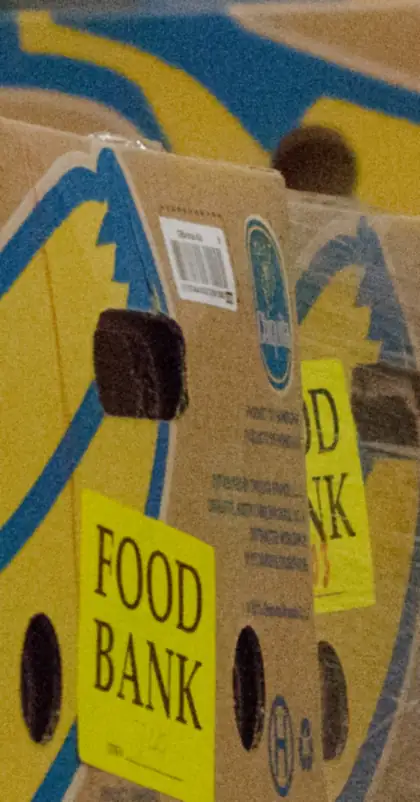
In need — the plainest institutional phrase of all. Example: The food bank serves any family in need, no questions asked beyond a zip code. When in doubt, this is the phrase that can never embarrass anyone.
The bottom of the ladder: nothing at all
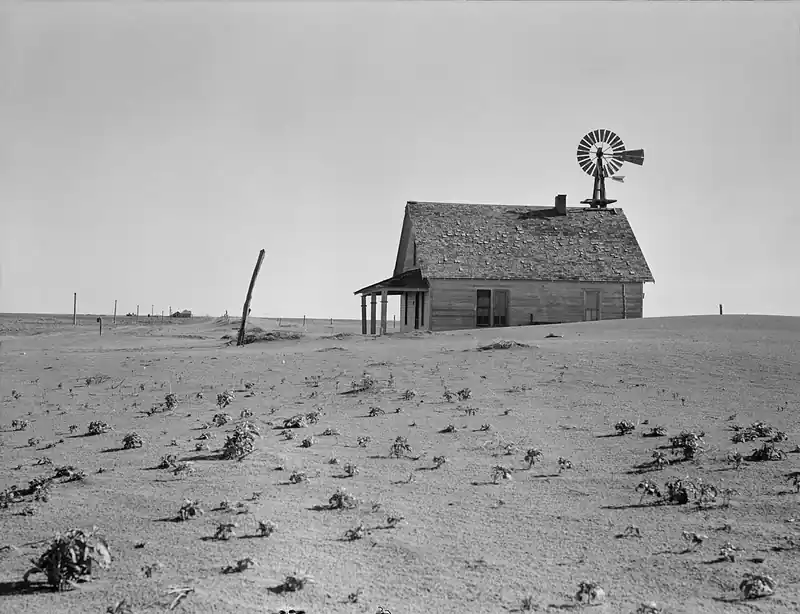
Destitute — lacking even the necessities of life: no money, no shelter, no reserves. Example: The flood left hundreds of families destitute, and the Red Cross opened shelters the same night. Destitute is the floor of the money ladder and one of the strongest words in this article. Reserve it for situations that deserve it; calling a tight month “destitute” is not emphasis, it is inaccuracy.
Down-and-out — (idiom) destitute and without prospects, usually of a person. Example: The mission’s records describe down-and-out laborers arriving in the city each harvest season. It belongs to narrative and history; it is too picturesque for a case report.
Dirt poor — (idiom) extremely poor; earthy and blunt. Example: In the oral histories, elders recall being dirt poor in the Depression years and sharing everything anyway. Dirt poor carries real flavor in quoted speech and memoir — and real risk elsewhere, which brings us to the next section.
Words That Wound: Handle With Care
A short, serious note, because vocabulary about poverty sits closer to real people than most of the words on this site. Money words stop being neutral the moment they are aimed at a person instead of a circumstance.
Dirt poor as a label for a neighbor is a slur in many mouths, whatever the dictionary says. Pathetic — a quality word from Ladder 2 — becomes cruel when it is aimed at a person rather than a performance. Poverty-stricken used as mockery (“their poverty-stricken little operation”) sneers instead of describing. The rule that keeps you safe: aim quality words at work, products, and performances; aim money words at circumstances, budgets, and conditions — and let reports and statistics carry the money words about people. A case worker writes “a destitute family”; a friend, writing about the same family, should probably write “a family going through a destitute time” or simply say what happened. The facts carry the weight. They always did.
Ladder 2 — Quality: Badly Made, Badly Done
Now for the other “very poor” — the one about work, products, results, and performances. Here the tone can lighten, because a badly built shelf never had its feelings hurt.
The general quality ladder
Below par — a little worse than the usual standard; mild. Example: The sequel was below par, though the cast did what it could. Below par (sometimes hyphenated below-par) is the gentlest rung: disappointing, not disastrous.
Inadequate — not good enough for the purpose; not enough in quality or quantity. Example: The report called the bridge inspections inadequate and ordered them redone. Inadequate is cool and official — the word of auditors.
Substandard — below the standard that is required or expected. Example: Regulators recalled the toys after tests found substandard stitching and loose parts. When something fails a measurable standard, substandard is your precise word. One caution for American writers: in British housing debates “substandard” does heavy duty; in US writing it stays product-and-safety focused.
Inferior — lower in quality than something it is compared with. Example: The bargain cable is inferior to the original in every test we ran. Inferior needs a comparison, stated or implied. Never aim it at people — “inferior” about a person is a claim about worth, not quality, and it has an ugly history; keep it for goods and materials.
Pathetic — so bad it arouses pity or contempt; strong and emotional. Example: It was a pathetic attempt at an apology — two lines, no ownership, sent a week late. Pathetic is a judgment with a sneer built in. Use it for efforts and excuses, never for people (see Words That Wound, above).
Lamentable — bad in a way worth regretting; formal. Example: The committee called the safety record lamentable and demanded a plan. Lamentable is pathetic’s sober older brother: same verdict, no sneer.
Abysmal — extremely bad; bottomless. Example: The team’s abysmal away record finally cost the manager his job. Abysmal (from “abyss”) is the standard strong word for results, records, and ratings.
Atrocious — the bottom rung: bad in a way that offends. Example: His atrocious handwriting defeated three pharmacists. Atrocious once meant cruel and brutal, and it still carries a whiff of outrage — perfect for spelling, weather, and crimes against grammar.
Miserable / wretched — bad enough to make someone unhappy; quality shading into feeling. Example: They endured a miserable, wretched week of leaks and cold rooms. These two live on the border with sadness, which is why our guide to synonyms for very sad claims half of their territory.

The workmanship branch: badly built things
Shoddy — badly made, from cheap materials, meant to look better than it is. Example: The shoddy bookcase sagged within a month, its back panel stapled, not screwed. Shoddy is the classic accusation against manufactured goods — it began as the name of a cheap recycled wool cloth, and it has meant “fake quality” ever since.
Slipshod — careless and sloppy in execution. Example: A slipshod inspection missed the cracked valve entirely. Where shoddy blames the materials and the making, slipshod blames the care. The word pictures a shoe slipping off a heel — work done in a hurry, half-attending.
Jerry-built — built cheaply and badly, thrown together. Example: The jerry-built extension leaked from its first rain. A cheerful, slightly old-fashioned American word, perfect for sheds, startups’ first websites, and flat-pack furniture assembled at midnight.
Second-rate / third-rate — not of the best quality; ranked below the top class. Example: It is a second-rate thriller with a first-rate poster. The “-rate” ladder is blunt and handy: second-rate is mediocre, third-rate is worse, and nobody writes fourth-rate because atrocious exists.

The old and worn register
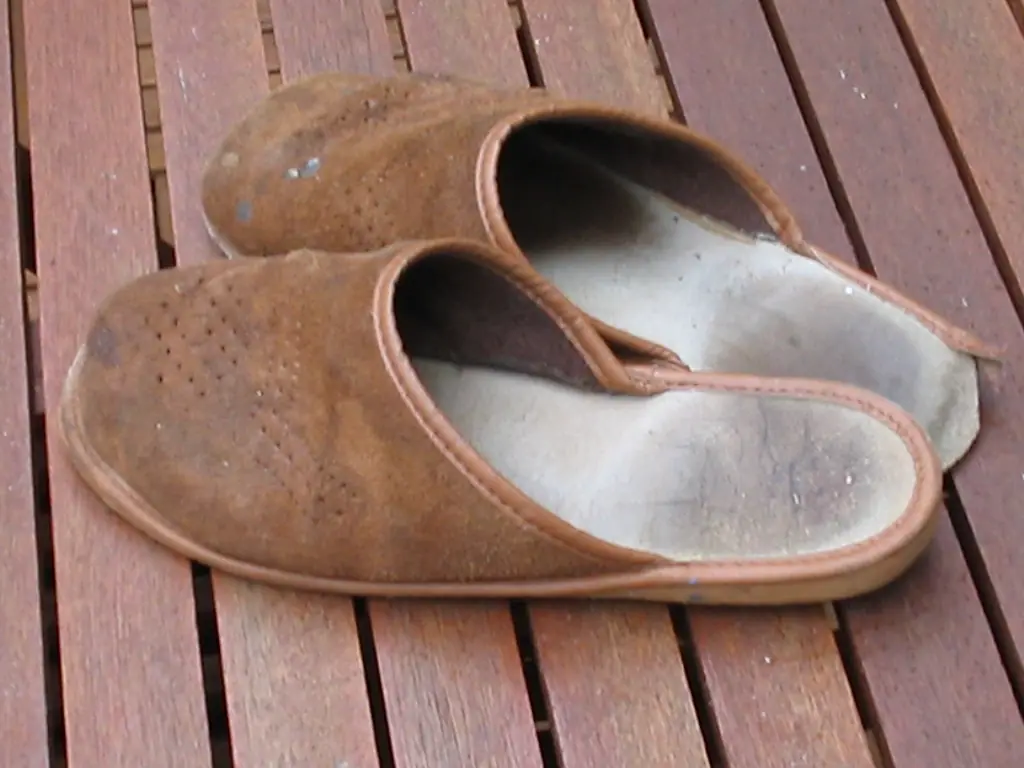
Threadbare — worn so thin the threads show; for clothes, carpets, and (by extension) excuses. Example: His threadbare jacket had been repaired at the elbows twice. Threadbare things were once good — that is its pathos and its precision.
Down-at-heel — shabby from wear and neglect; for shoes, buildings, and neighborhoods. Example: The down-at-heel hotel kept one immaculate garden, as if in apology. Both of these words belong equally to our guide to synonyms for very old, where worn-out things get their full treatment.
Saying it kindly: the tact group
Sometimes the honest verdict is “poor quality” and the social requirement is to say it gently — in feedback, reviews, and references. English keeps a whole shelf of diplomatic phrases for exactly this:
Needs improvement — the report-card classic. Example: Punctuality: needs improvement. Below standard and not up to standard state the gap without adjectives. Disappointing blames the result, not the person: a disappointing turnout, a disappointing draft. Leaves room for improvement and could be better point at the future instead of the failure. None of these is a synonym to rank on the ladder — they are the ladder with the volume turned down, and knowing when to use them is a writing skill in itself.
Common Mistakes With “Very Poor”
Mistake 1: Grabbing a word from the wrong ladder. “Destitute workmanship” and “a shoddy income” are both nonsense, because the ladders don’t mix. Before choosing, say which poor you mean: money or quality. Half of all bad choices die at that question.
Mistake 2: Confusing “cheap” with “poor quality.” Cheap is about price; poor is about performance. A cheap umbrella can be excellent, and an expensive one can be shoddy. The two scales cross constantly in real life, which is why our guide to synonyms for very cheap exists as the fence between them: use price words for price, quality words for quality.
Mistake 3: Reaching for the bottom rung out of habit. If everything is “atrocious” and every budget is “destitute,” the words stop meaning anything. Save destitute for genuine destitution and atrocious for genuine offenses, and your strong words will still be strong when you need them.
Mistake 4: Calling a person “pathetic.” Pathetic judges efforts, attempts, and excuses. Aimed at a person, it judges their worth — and it tells the reader more about the writer than the subject. (See Words That Wound.)
Mistake 5: Using British slang as if it were American. Skint and stony-broke mean broke, but they are British; in American writing they read as costume. The American shelf is strapped, broke, tapped out, and down to your last dollar.
Antonyms: Rich and Excellent
The two ladders reverse cleanly. For money, the opposite direction runs poor → comfortable → well-off → rich — wealthy, affluent, prosperous, opulent. This article’s antonym partner is our guide to synonyms for very rich, published the same day: it builds the wealth ladder (plus the food and color senses of rich) rung by rung, and the two guides link to each other as a pair. For quality, the reversal runs poor → acceptable → good → excellent → superb → flawless, with first-rate as the tidy answer to second-rate. Notice the same discipline applies in reverse: “excellent” is a quality word, “affluent” is a money word, and swapping them produces the same nonsense as before, just happier.
FAQ
What is a word for extremely poor?
Destitute, if you mean money — it describes lacking even the necessities of life, and it is the strongest word on the money ladder. Penniless (no money at all) and poverty-stricken stand just above it. If you mean quality, the word is atrocious or abysmal: an atrocious performance, an abysmal record.
How do you say “poor” in a fancy way?
For money, the formal words are indigent (legal and official), impoverished (serious, literary), and the rare necessitous found in older texts. For people in reports, professionals more often choose the neutral low-income or in need. For quality, the fancy end of the ladder is lamentable or inferior — formal words that deliver a hard verdict in a suit and tie.
What is a strong word for “poor”?
Strength depends on the ladder. Money: destitute is strongest, then penniless, then impoverished. Quality: atrocious is strongest, then abysmal, then shoddy for badly made things. The truly strong choice is also the accurate one — a strong word used on the wrong ladder is just noise.
How do you say “poor quality” in a nice way?
Use the tact shelf: needs improvement, below standard, not up to standard, disappointing, or leaves room for improvement. These phrases judge the work while leaving the worker intact — which is why report cards, editors, and good managers reach for them. If you must use an adjective, substandard is factual and below par is gentle.
What is the difference between “poor” and “cheap”?
Cheap is a price; poor is a performance. Something cheap costs little — it may still be well made. Something poor performs badly — it may have cost a fortune. Keep the scales separate and half the mistakes in product writing disappear.
Bottom Line
“Very poor” hides two different complaints in one weak phrase. Say which one you mean. For money, climb honestly: strapped for a season, impoverished for a condition, destitute only for the floor — and let the formal register (low-income, in need, indigent) do the dignified work in reports. For quality, grade the failure: substandard for a missed standard, shoddy for bad making, abysmal and atrocious for the depths — and reach for the tact shelf when a person, not a product, will read the verdict. Name the sense, then climb to the honest rung. That is the whole skill.

SynonymsKey helps students and writers find the right word, with synonyms grouped by meaning, antonyms, and clear examples for everyday writing.