
Two friends came out of the same film last year. One said it was bad. The other said it was bad too, and they argued for ten minutes before realizing they meant different things: one thought the acting was weak, the other thought the story was upsetting. Bad is a small word carrying a crowd of meanings, and that crowd is why a plain list of synonyms for bad never quite helps. You need to know which bad you are standing in, and the same lesson shows up everywhere else, from a school report that calls behavior, handwriting, and luck all “bad” in one page, to a work review where a bad result, a bad decision, and a bad day are treated as if they were the same complaint. They are not, and your replacement word should prove that you know it.
What “Bad” Means

Most simply, bad is the opposite of good, and it stretches just as far: low quality, harmful, morally wrong, unpleasant, severe, unskilled, unlucky, or a feeling of guilt or illness. The trick is that some of its synonyms only work in one corner. Terrible works for a film and for a headache, but not for a decision that was merely unwise. Harmful works for smoke and for gossip, but not for a cake that fell flat. Faulty works for a wire and for a guess, but not for a mood. Start with the corner, then pick the word, and check the little words around it too, because bad for, bad at, bad with, and bad to are four different claims wearing the same adjective.
Think of bad as a family of meanings rather than a single meaning. Some members are about standards: something falls short of what was expected. Some are about effects: something hurts, damages, or spoils. Some are about character: someone acts unfairly, cruelly, or dishonestly. And some are about experience: something feels miserable, arrives at the wrong moment, or simply goes wrong. The sections below follow that family tree, because once you find the right branch, the choice narrows from dozens of words to three or four honest candidates, and the examples show each word doing a job that bad alone could not do.
1. Low Quality or Disappointing
Use poor, mediocre, substandard, inferior and shoddy, and add deficient, inadequate and lousy when the register allows it. Poor is the general word, low quality without drama: a poor meal, a poor performance. Mediocre means average at best, which stings in its own quiet way, because it promises nothing and delivers nothing more. Substandard means below an agreed standard, good for reports and reviews, as in a report that was substandard and had to be rewritten from scratch. Inferior is comparative: inferior to something else, like paint of inferior quality that faded within a year. Shoddy is for things badly made, like a shoddy repair, and it carries a note of contempt for the maker. Deficient points to something missing, inadequate points to something not enough for the job, and lousy is the informal American equivalent, a lousy hotel room, that would sound out of place in a formal report. The scale matters here: the first draft was poor, the second merely mediocre, and only the third was worth sending, and that sentence works precisely because each word sits at a different point rather than repeating bad three times.
2. Harmful or Damaging
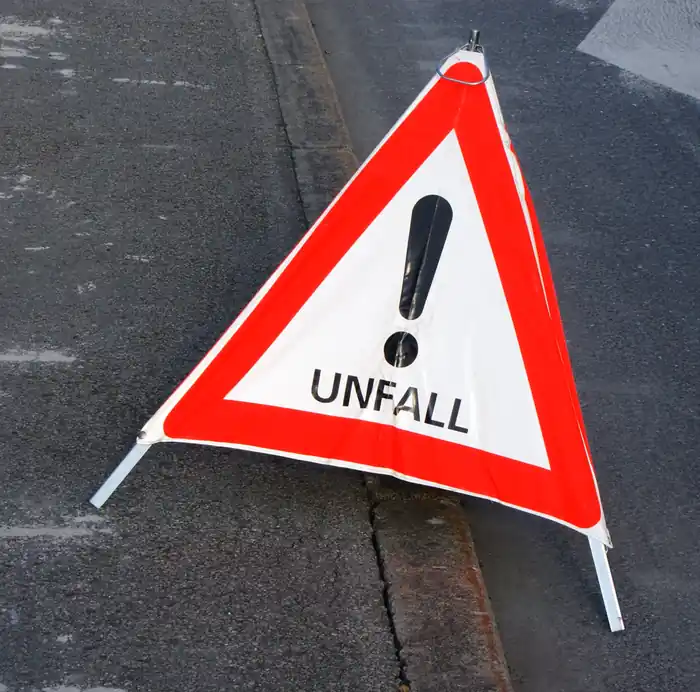
Use harmful, damaging, detrimental and toxic, with injurious and ruinous for formal and extreme cases. Harmful is the plain choice: harmful fumes, a harmful habit, harmful gossip. Damaging is about lasting effect, the kind that does not wash off the next day. Detrimental is formal and fits essays about health or policy, as in years of smoking having a detrimental effect on his lungs, or constant interruptions being detrimental to deep work. Injurious is more legal and medical in tone. Toxic is the strongest and should be saved for things that poison, literally or in a relationship: toxic fumes, a toxic workplace. Using it for a merely annoying habit weakens it for the cases that need it. Ruinous goes further still, for effects that destroy rather than merely damage, like ruinous debts. Ask a simple test question: if you removed the thing, would the harm stop, or has something already been broken? Harmful covers the first case; damaging and ruinous cover the second.
3. Very Unpleasant, Severe, or Shocking

Use terrible, awful, dreadful and abysmal, in that rough order of strength, and keep appalling, atrocious, dire and grim for their own shades. Terrible and awful are everyday strong words, and they have been used so often that they now feel almost ordinary, which is worth remembering when you want real force. Dreadful adds a shudder. Appalling and atrocious step up the shock: appalling service, atrocious spelling. Abysmal is the top of the ladder for quality and experience: shockingly bad, as in abysmal service, and it was an awful journey, made worse by dreadful traffic, shows how the ladder climbs when the experience genuinely gets worse. Dire is different again, because it points forward to consequences, a dire warning or a dire shortage, while grim is bleaker and quieter, for a time when things were pretty grim and nobody was pretending otherwise. Strong words lose power if you use them for everything, so keep the top of this ladder for the worst cases and let poor and mediocre do the ordinary work.
Two everyday uses of bad still need their own words. The first is dangerous. A bad bend in the road, bad weather for sailing, or bad conditions on a building site do not mean low quality or wickedness; they mean dangerous, hazardous or, for a road or path, treacherous. Hazardous is the formal choice for substances and workplaces, dangerous is the general one, and treacherous adds the idea of hidden risk, a surface that looks safe until it gives way. The second is taste and smell. A bad smell or a bad taste is foul, nasty or, at its worst, revolting, and a bad taste left by old cooking oil is rancid. This is different from the spoiled-food sense below: foul describes how something strikes the senses, while spoiled describes whether it is safe to eat. Milk can smell foul before it is provably unsafe, and food can be spoiled without smelling foul at all, which is why the two words are not interchangeable.
4. Morally Wrong, Cruel, or Badly Behaved
This is the sense flat lists handle worst, because they throw moral words and quality words into the same pile. They do not belong together. A bad person, a bad act, and a bad habit are three different claims. Wrong is the broadest moral word: it was wrong to lie about it. Unkind is smaller and more human, for behavior that hurts without necessarily breaking a law. Cruel means deliberately causing pain, and it should not be softened. Evil and wicked are the heaviest words in the group, for crimes and characters that are deeply and deliberately wrong, and they sound melodramatic if you aim them at ordinary selfishness. Dishonest, corrupt and immoral are more precise for grown-up wrongdoing: a dishonest claim, a corrupt official, an immoral system. For children, the scale drops right down: naughty and mischievous describe disobedience and pranks, not wickedness. Aim criticism at the act, not the person, unless you genuinely mean to judge the person, because calling a person bad is a much bigger claim than calling their decision bad, and readers hear a verdict even when you meant a note on output.
Example: It was unkind to leave without saying goodbye, dishonest to pretend otherwise, and cruel only if she had known how much it would hurt and done it anyway. The three words mark three different levels of blame, and that is exactly why they matter.
5. Lacking Skill, Faulty, or Simply Wrong
Another branch short lists often miss is bad as unskilled or incorrect. A bad driver is not a wicked driver; he is an incompetent or unskilled one, or simply a poor driver, and the distinction matters because it changes the remedy from punishment to practice. The same goes for a bad guess, a bad decision, or bad judgment: the right replacements are faulty, erroneous, misguided or ill-judged, not terrible or evil. For objects, the language is concrete: a faulty wire, a defective appliance, a botched repair, a bad connection that keeps dropping. Botched is vivid, worth using when work has been bungled rather than merely finished to a low standard. For ideas, unsound and invalid fit formal writing: an unsound argument, an invalid claim. If you call a faulty toaster terrible, you have told the reader how you feel; if you call it faulty, you have told them what is wrong with it, which is usually more useful, and it is also what lets a team fix a failed report whose central assumption was erroneous rather than blaming a character.
6. Unfavorable News, Luck, or Mood
Sometimes bad describes not a thing or a person, but a turn of events. Unfortunate is the kindest word for bad luck: an unfortunate accident, an unfortunate delay. Adverse is formal and fits conditions and effects, as in adverse weather or adverse effects. Unwelcome is for news nobody wanted to hear, and distressing is for news that upsets, which is why it suits official writing about closures and losses. The closure was bad news for the staff, unwelcome news for the town, and distressing news for families who had worked there for decades, and the same event earns a stronger word as the human cost comes into focus. A bad day, a bad mood, and a bad temper are not quite the same either: a bad mood passes, a bad temper is a habit of reacting angrily, and a bad day is just a day when several small things went wrong at once. “Too bad” deserves care too: it can be genuine sympathy or a shrug, depending entirely on tone, which is why it is risky in writing where tone cannot be heard.
7. Feeling Bad, Ill, or Injured
Use unwell, guilty, sorry for feelings, sore, injured, painful or severe for the body, and spoiled, rotten, off for food, which gets its own section below. “I feel bad about it” usually means guilt or regret, while “I feel bad” on its own often means unwell, so give the reader context to tell them apart. Unwell is the plain, polite word for illness. Guilty and sorry name the moral feeling directly, which is kinder to the reader than leaving them to guess. Ailing is more literary, for a person or even an industry that is struggling. Then there is the injured sense learners often miss entirely: a bad back, a bad knee, a bad cold, a bad attack of asthma. Here bad means damaged, painful, or severe, and a bad back is not a morally bad back, just as a bad cold is not a badly behaved cold. She felt bad about missing his birthday, and worse when she woke with a bad cold the next morning, and guilt and illness share a word in English but they do not share a remedy.
8. Spoiled, Gone Off, or No Longer Safe

Food has its own vocabulary, and the wrong word here is more than imprecise; it can be unsafe. Spoiled is the standard American word for food no longer fit to eat. Rotten is stronger and more vivid, for fruit or bread that has clearly gone over: throw that bread away, it has gone rotten. Off is the casual choice, especially in British speech: “this milk smells off,” and the phrase “gone bad” covers the same ground in conversation. The opposite here is fresh, not good in general, which is a useful reminder that antonyms, like synonyms, change with the sense. If the milk smells off, do not debate whether it is mediocre or abysmal; throw it away, and let the word be as plain as the action.
Collocations: Bad For, Bad At, Bad With, and Bad To
Small prepositions change bad completely, and this is where even confident writers slip. Something is bad for you when it harms you: smoking is bad for you, too little sleep is bad for concentration. Someone is bad at something when they lack skill: bad at math, bad at remembering names. Someone is bad with something when they handle it poorly, often people or money: bad with children, bad with money, which is close to bad at but softer and more about manner than measured skill. Something is bad to someone when behavior is involved: he was bad to his younger brother, meaning unkind or unfair. Swap the preposition and you swap the meaning, so when you swap the synonym, check the preposition travels with it. You are not “detrimental at math,” and a habit is not “incompetent for your health.” The synonym has to fit the little word beside it as well as the big idea behind it.
Antonyms: The Opposite Changes With the Sense
The plain opposite is good, with excellent for quality, beneficial for harmful things, fresh for spoiled food, well or content for feeling bad, skilled or competent for bad at a skill, kind for bad behavior, and fortunate for bad luck. As with good, the right opposite depends on the sense, which is a handy check that you have chosen the right synonym in the first place: if you cannot find the right opposite, you probably have not pinned down the meaning yet.
Which Word When?
| Word | Formality | Use it when… |
|---|---|---|
| Poor | Neutral | Quality is low, without drama. |
| Mediocre | Neutral | Something is average at best and disappointing. |
| Faulty | Neutral | Something is defective or does not work properly. |
| Detrimental | Formal | Something causes real harm, in essays or reports. |
| Terrible | Neutral | Something is very unpleasant or severe. |
| Abysmal | Neutral / strong | Something is shockingly bad, use sparingly. |
| Unkind | Neutral | Behavior hurts, without a grand moral charge. |
| Cruel | Neutral / strong | Pain is caused deliberately. |
| Spoiled | Neutral | Food is no longer safe or fit to eat. |
| Unfortunate | Neutral | Luck or timing, not blame, is the point. |
Read the ladder from top to bottom and you can hear the volume rising. Poor whispers, mediocre sighs, terrible raises its voice, and abysmal shouts. In most writing you want the middle of the ladder, not the top, because a reader who hears shouting in every paragraph stops listening to any of it.
Common Mistakes
The classic trap is “I feel badly.” Unless you mean your sense of touch is broken, the correct form is “I feel bad”: bad is the adjective describing how you feel, not an adverb describing how you feel it. But do not overcorrect in the other direction. Badly is a perfectly good adverb where an action is involved: a badly damaged roof, a badly written report, a team that played badly. The rule is not “never use badly”; it is “use bad after feel, seem, and look, and badly before a verb or participle that describes how something was done.” A second trap is calling a person bad when you mean their work, their decision, or their mood is bad. People hear a judgment of character even when you meant a judgment of output, and that misunderstanding is hard to undo. A third trap is stacking intensifiers: “a very terrible and extremely awful day” says less than one honest word. A fourth is slang: in some casual American speech, bad can mean impressive, as in a bad guitar solo, but that meaning will confuse or mislead a formal reader, so leave it out of writing that matters. Finally, watch “not bad” as praise. In conversation it can be high praise, a grudging compliment that means surprisingly good, but in writing it reads as faint praise unless the context makes the understatement clear.
American and British Notes
Most words in this guide travel well across American and British English, but a few carry a passport stamp. Lousy and crummy are comfortably American and informal; duff and dodgy lean British, with dodgy adding a hint of dishonesty or unreliability that lousy does not carry. Off for food is more British than American, though Americans will understand it. Rotten works everywhere, though in American slang it can also describe a mood, as in feeling rotten about a mistake, which overlaps with the guilt sense. Words like wicked, evil, and depraved belong to serious moral writing, not to reviews of restaurants or films, and toxic, abysmal, and atrocious belong to the worst cases, not to everyday disappointments. When a word feels exciting to use, that is often a sign to pause and ask whether the situation earns it.
Before and After: Rewriting Bad Sentences
Before: The meeting was bad. After: The meeting was poorly run, with no agenda and no decisions taken. The second version does not just replace a word; it gives a reason, and the reason is what makes the criticism fair. Before: He is a bad teacher. After: His explanations are unclear and his grading is inconsistent. Again, the rewrite moves the judgment from the person to the work, which is both kinder and more useful. Before: It was a bad idea to invest. After: It was an ill-judged investment, made without checking the company’s debts. Ill-judged is precise, and the clause that follows proves it. The pattern is the same every time: find the fault, name it, and let the synonym carry the evidence rather than the emotion.
Frequently Asked Questions
What is the strongest synonym for bad? Abysmal and dreadful sit at the top for quality and experience, atrocious for shock, and toxic for harm. Strong words lose power if you use them for everything, so reserve them for the worst cases.
Is it “feel bad” or “feel badly”? Feel bad, in almost every case. Feel badly would mean your ability to feel is impaired, which is rarely what anyone means. Badly is correct elsewhere, as in badly damaged or badly written.
What is the difference between bad and poor? Poor is mainly about low quality or standard, while bad is broader: it covers harm, morality, feelings, skill, luck, and spoilage as well. When in doubt about quality alone, poor is the more precise word.
What is a polite synonym for bad behavior? Unkind for hurtful behavior, inconsiderate for thoughtlessness, and inappropriate for conduct that breaks a rule or expectation without a moral charge. Save cruel and wicked for behavior that genuinely earns them.
Can “bad” describe a person? Yes, but it is a large claim. If you mean unskilled, say unskilled or incompetent. If you mean unkind, say unkind. If you mean dishonest, say dishonest. Keep bad for a person for cases where you genuinely mean a broad moral judgment, and expect the reader to hear it that way.
The opposite scale is covered in synonyms for good, and the feeling side of bad overlaps with synonyms for sad. Bad and important are often confused in essays, where a bad result is not always an unimportant one. More word guides are on the SynonymsKey homepage.

SynonymsKey helps students and writers find the right word, with synonyms grouped by meaning, antonyms, and clear examples for everyday writing.